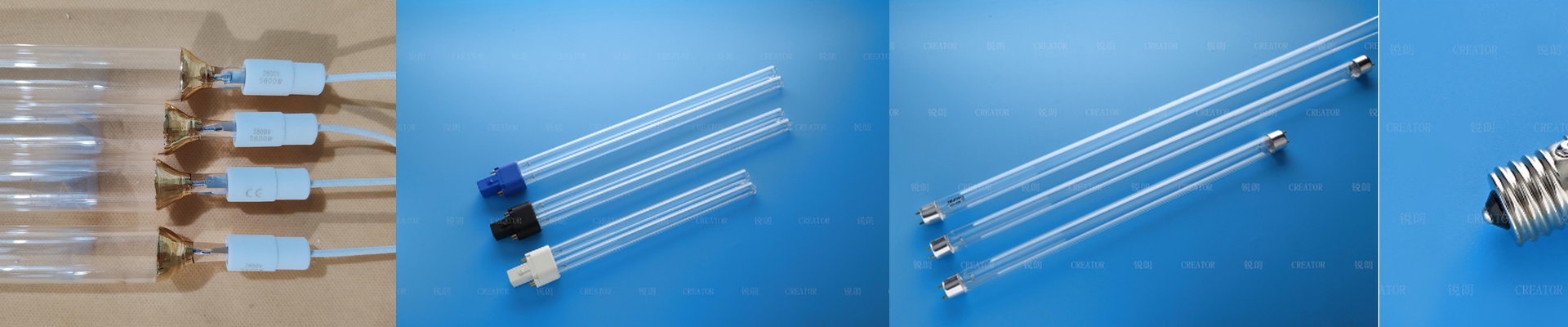
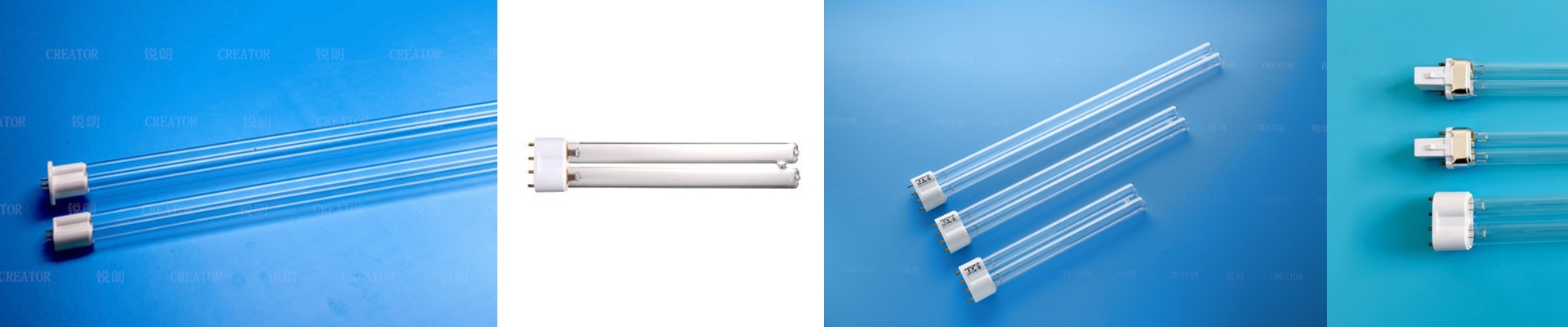
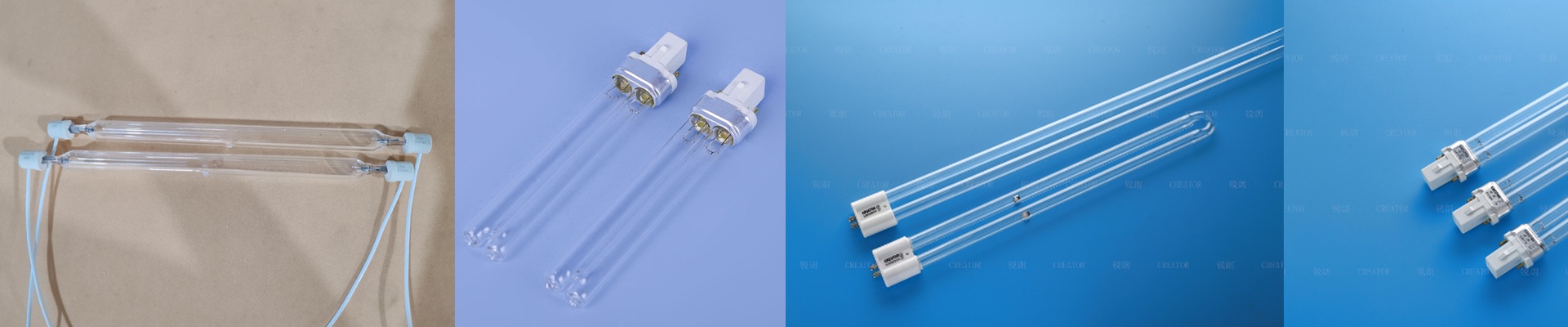
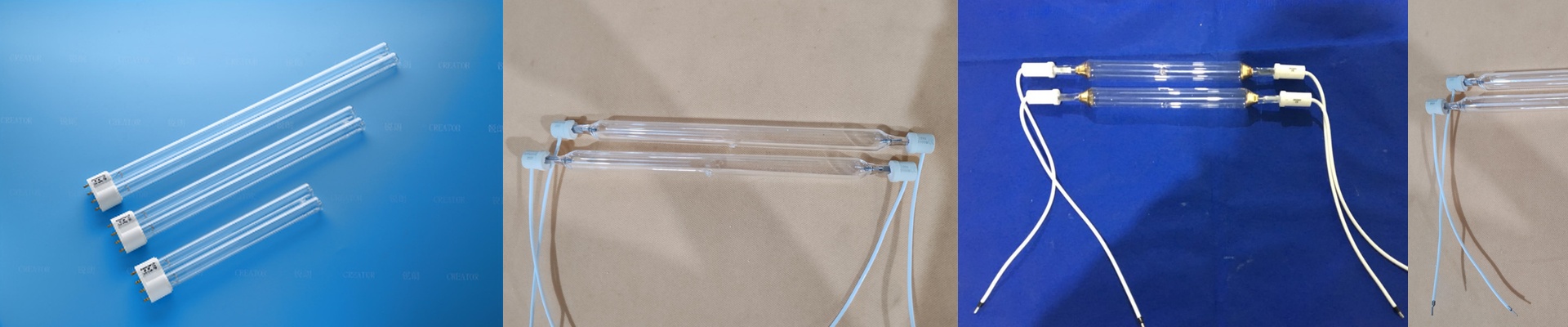
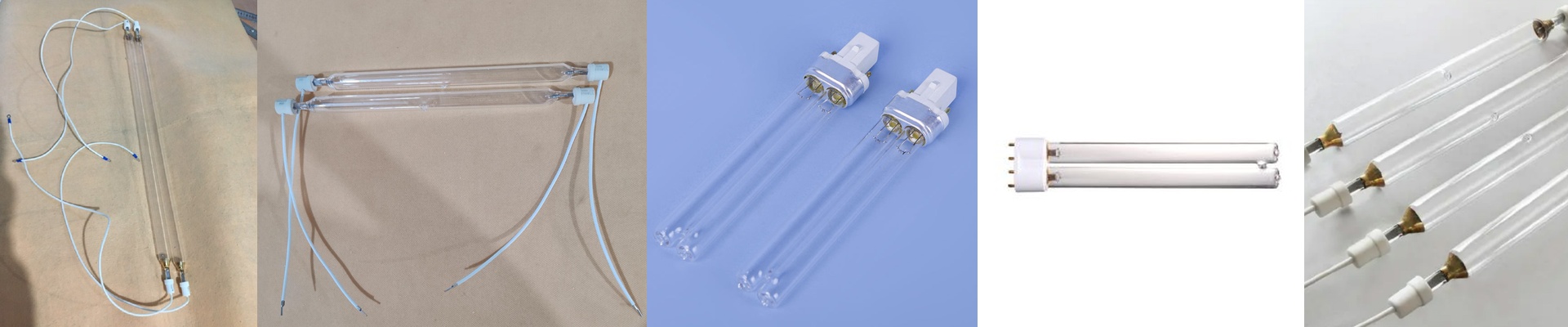
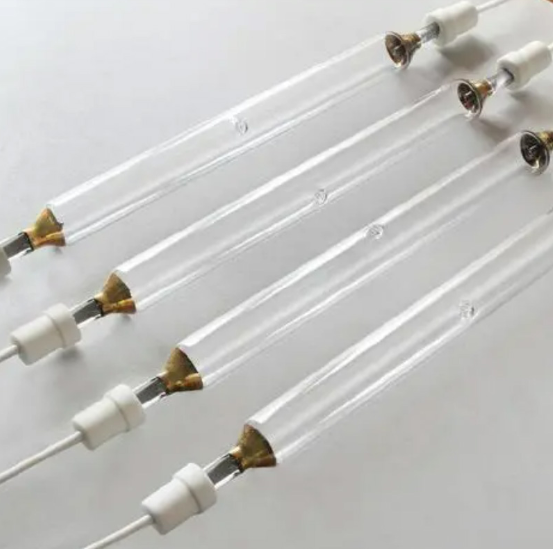
On ceramic tile lines, the curing unit is where throughput and yield collide. If the spectral output doesn’t line up with the photoinitiator package, you end up with incomplete cross-linking. The ink stays tacky, pigments bleed, and the topcoat fails adhesion testing. We built our gallium UV lamp for ceramic print to cut through that uncertainty. What matters under the hood The lamp runs a gallium-doped mercury vapor fill that concentrates output around 395nm. That wavelength gets deeper into pigmented ceramic inks than 365nm, so you get a more thorough cure profile without over-curing the surface. Peak irradiance is engineered to top 2,000 mW/cm² at the substrate plane, and total delivered energy density is specified above 800 mJ/cm² on a typical 300 mm standoff. The elliptical reflector uses a dichroic coating tuned to 395nm, sending out-of-band energy back to the arc to be reused. Output stays within ±3% over the first 1,000 hours, and the lamp is ozone-free, which keeps the curing chamber cooler and reduces the load on ozone extraction. Why it fits ceramic print in the real world Ceramic printing runs long jobs at high speed—300–600 m/min in production—so the lamp has to hold output as the oven temperature climbs. Our gallium profile delivers the photon flux needed to finish cross-linking inside the available dwell window. That means you can run faster without chasing residual tack. The payoff is a repeatable cure: stronger color density, better abrasion resistance, and fewer rejects on high-value tile. Energy draw is matched to arc length and power density, so you run the lamp at the required wattage without over-speccing the electrical service. Field notes that save headaches Installation has to be dead-on to the reflector focal line—2 mm off, and irradiance can drop 10–15%. Check your printer’s lamp compartment length and terminal block rating before the swap; this lamp is sized for specific ceramic decorator machines. Peak output doesn’t show up instantly. For critical jobs, wait 5 minutes of stable operation, then run a radiometer scan.