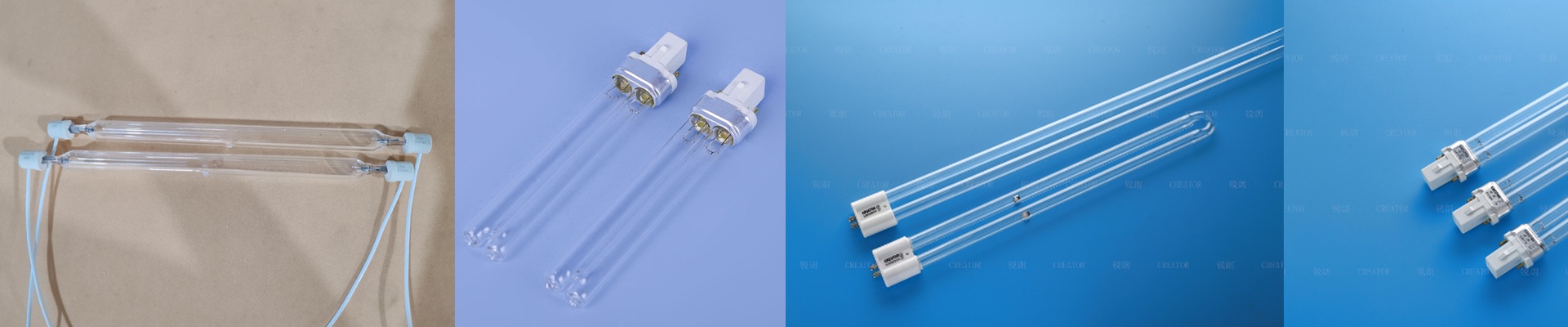
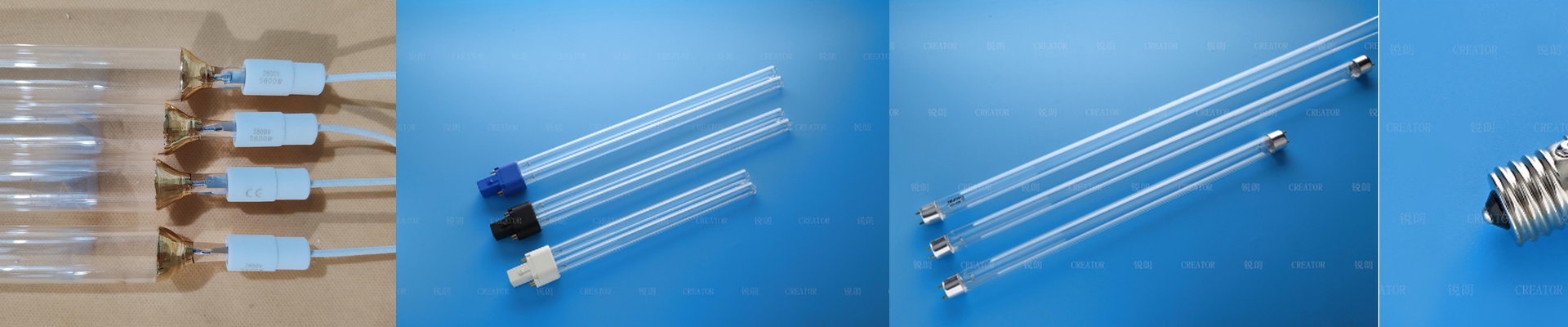
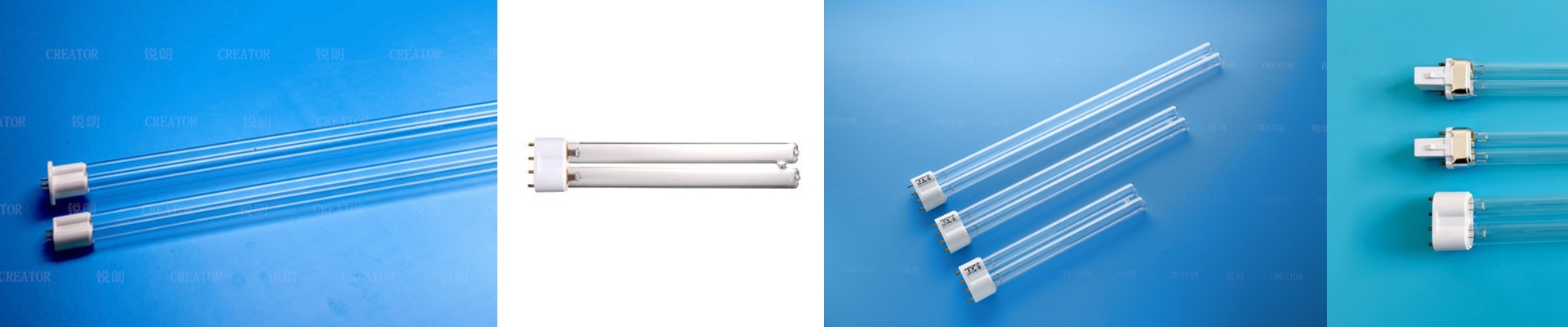
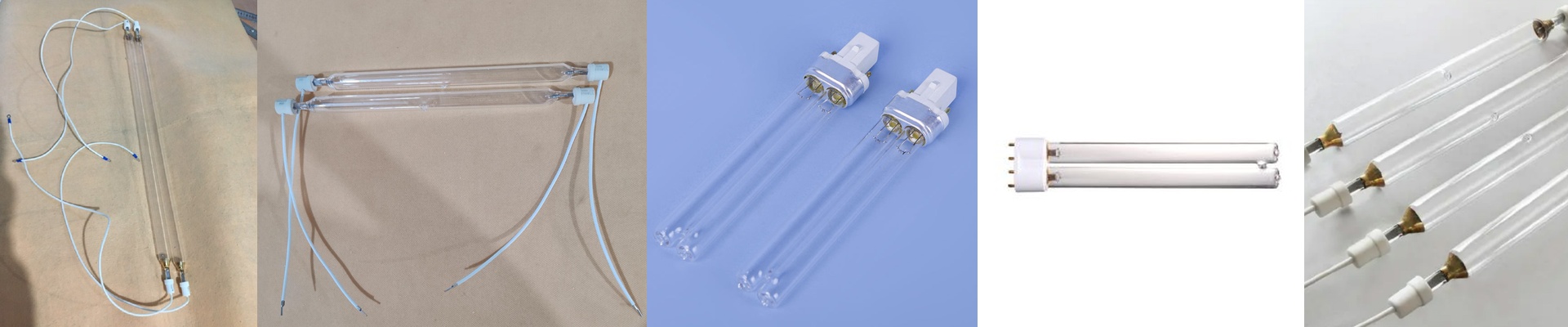
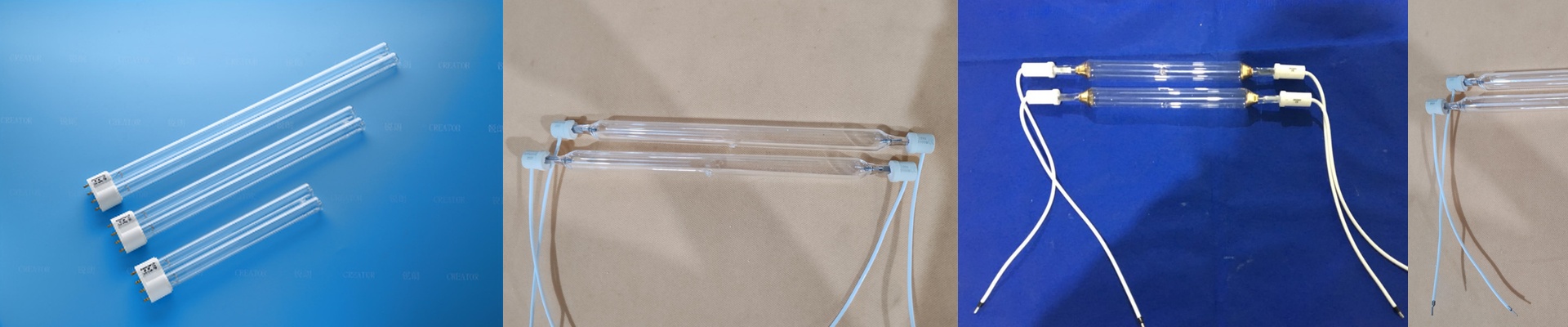
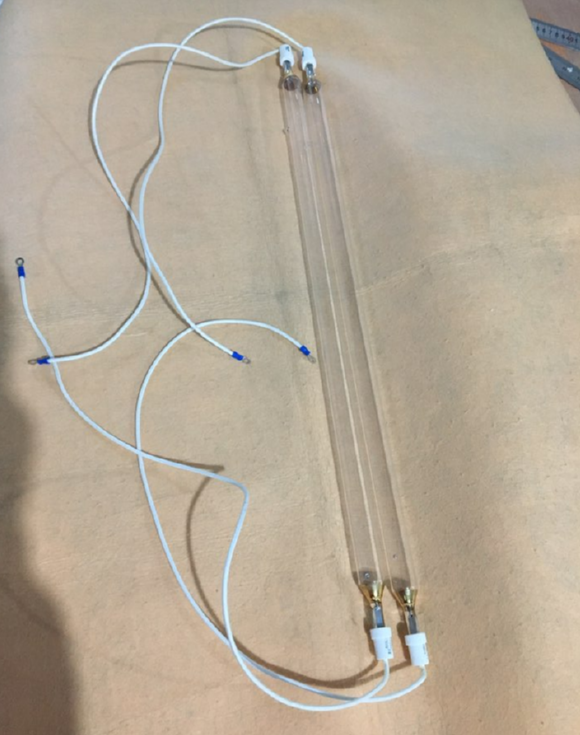
In a food processing shop, microbial contamination isn’t a “what-if.” It’s the problem you face every shift. Standard cleaning can miss the cold spots on packaging lines and conveyors, and those shadows are where pathogens hang on. If you need 99.9% broad-spectrum sterilization, you can’t lean on brute intensity alone. You need a UV source built for penetration and repeatable dosing, every time. What matters, technically Gallium iodide lamps are all about a tailored spectral output. Shift the dominant wavelength into the UVC band and you maximize photon absorption by microbial DNA and RNA. That drives photodimerization and shuts down replication. The lamp chemistry and the quartz envelope are chosen to hold stable output at the target wavelength, while the reflector assembly and dichroic coatings shape the beam for uniform irradiance. On the floor, the specs that count are peak irradiance at the work plane, delivered dose (mJ/cm²), and lamp life stability. We design these lamps to keep output consistent over thousands of hours, so the dose you set at the start of the shift is still there at the end. Why it works in this environment Food-contact surfaces, conveyor belts, and packaging materials need rapid, chemical-free disinfection with no residue. Gallium iodide UVC lamps deliver energy that penetrates into micro-crevices where wipes can’t reach, enabling a validated log reduction across bacteria, mold, and viruses. The payoff is shorter sanitation cycles, lower chemical use, and a food safety program you can defend with data. Energy use drops compared to thermal methods, and downtime shrinks because the process runs at line speed. Things you need to get right Installation has to respect shadowing and line-of-sight. Any obstruction creates a dose deficit, so layout, mounting distance, and interlocks are non-negotiable. These lamps also require compatible power supplies and proper thermal management—overdriving shortens life and pushes the spectral profile off target. Operators need UVC-rated PPE, and you have to monitor with calibrated radiometers. Validate performance with periodic dose mapping, then replace lamps based on output decay, not a calendar.