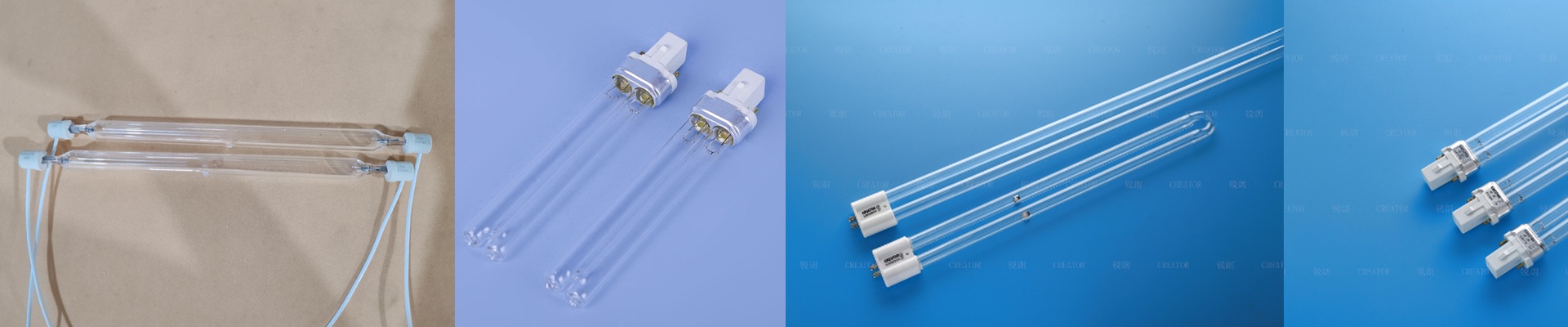
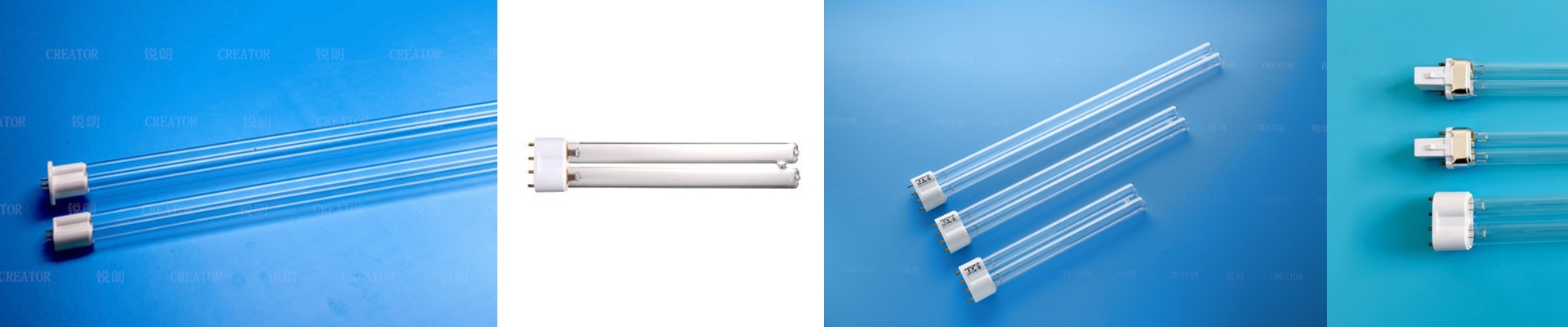
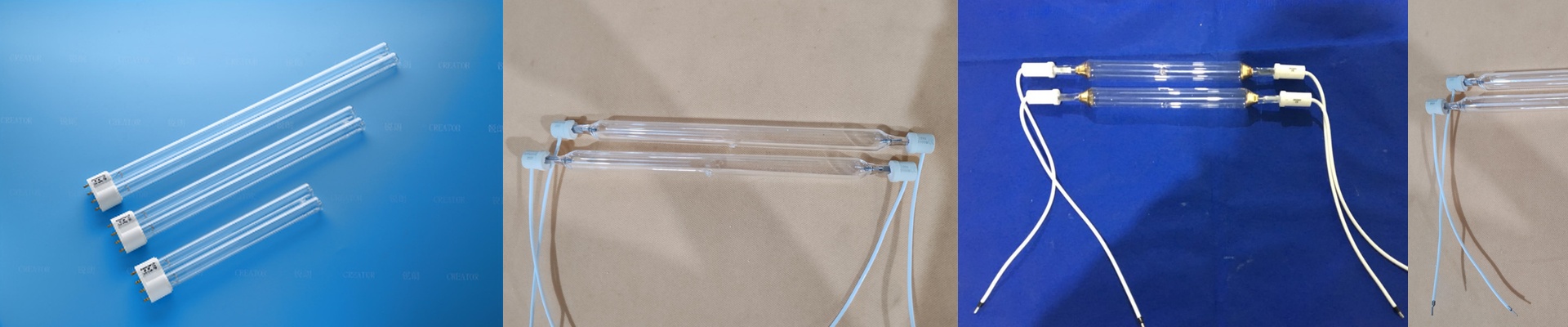
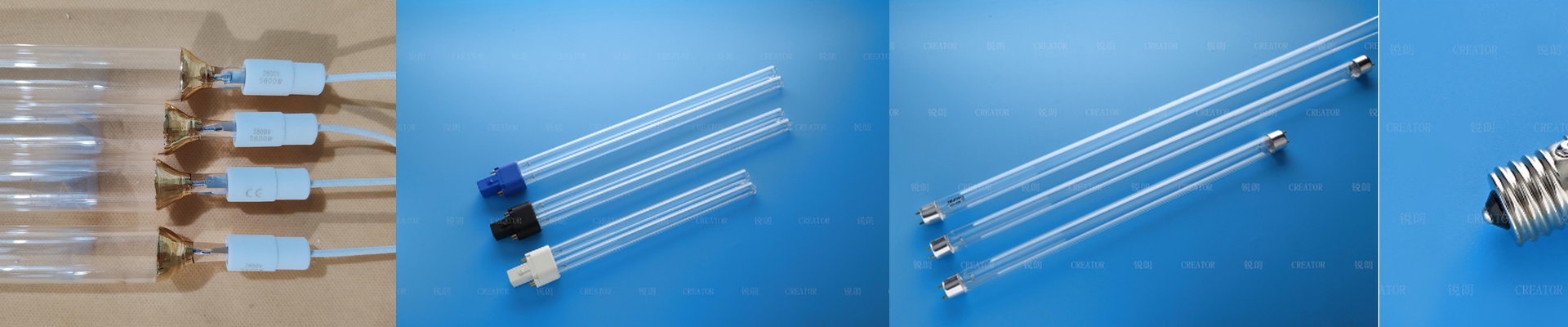
Gallium Lamps for Solar Cell Testing: Getting the Trigger and Lamp to Play Nice
Ever notice how UV lamp failures on the solar cell line never feel random? They almost always come down to one thing: the trigger and the lamp just weren’t speaking the same electrical language. We build our gallium lamps specifically for this job. And we make sure the electrical system is perfectly matched to the trigger, so the arc strikes clean—first time, every time.
Power, Voltage, and Size: Why It All Matters
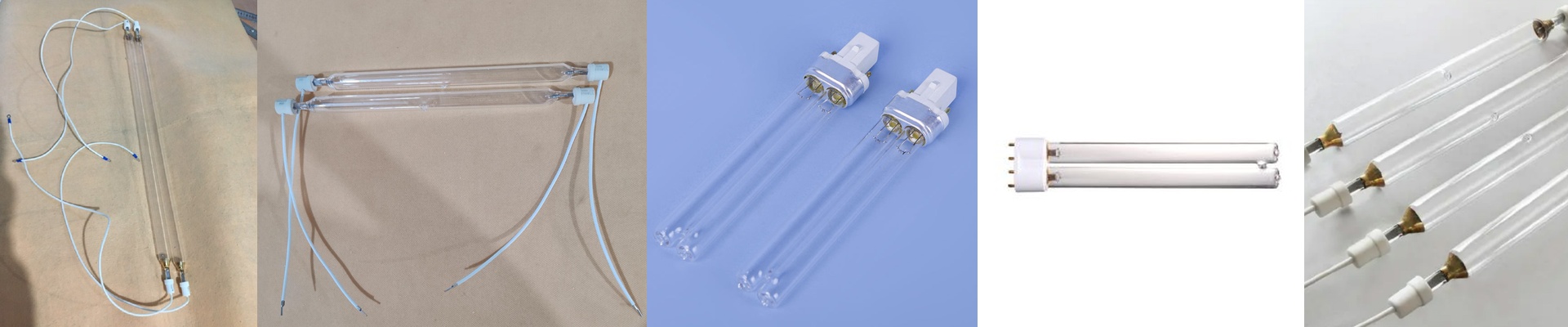
These lamps are all about packing serious heat into a tiny space. They typically run at 400V, pushing a stable arc through a compact quartz body. That wattage is what gets you to the UV output you need, fast. And that 300mm tube length? Totally intentional. It fits standard test fixtures and gives you even coverage across the cell. This combo of voltage, wattage, and length gives you the intensity you need for quick curing and repeatable measurements. But it also means the lamp pulls a lot of current when it starts up. The trigger has to match that surge. If it doesn’t, you get flicker, repeated tries, or a full-on fail.
Built to Last: Quartz, Coating, and the Right Connector
The quartz envelope handles extreme heat and lets the UV through without softening. Inside, the gallium fill keeps the spectral output steady—which matters when your test results need to line up shift after shift. The internal coating keeps the arc path consistent and controls reflection. Then there’s the R7s connector. It’s the workhorse. Solid contact, repeatable alignment. Swapping lamps is easy—no wrestling with loose pins. And it keeps the lamp sitting square in the reflector, which is key for the beam geometry.
What It Feels Like on the Line
On the solar cell line, you need that lamp to strike immediately and hold steady. When the trigger and lamp are truly matched, you get fast warm-up and rock-solid output. No false starts. No rework. And because of the R7s base, swapping in a new lamp is a drop-in job. Changeover is quick. Now, there’s a trade-off. That high power density that gives you fast response also needs proper cooling. If the fixture’s airflow is too small, the lamp runs hotter, and the output starts to drift. Match the cooling to the lamp, and you’re golden.
The Trigger Isn’t an Afterthought—It’s Part of the System
Here’s the thing: the trigger isn’t just an accessory. It’s part of the ignition system. We match the trigger voltage and timing to the lamp’s electrical profile so the arc forms the way it should. Wire it up right, and the lamp fires on the first pulse. No fuss. No downtime. Just a test line that keeps moving.