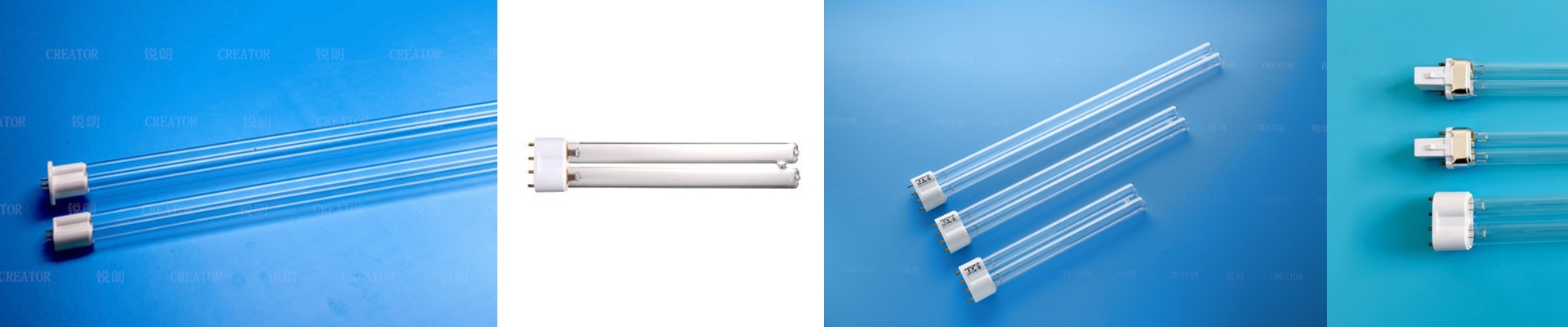
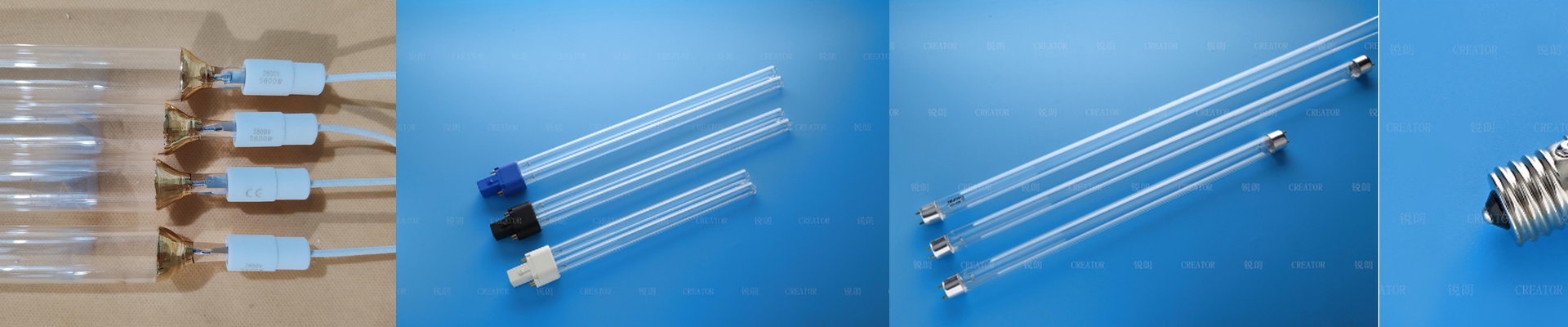
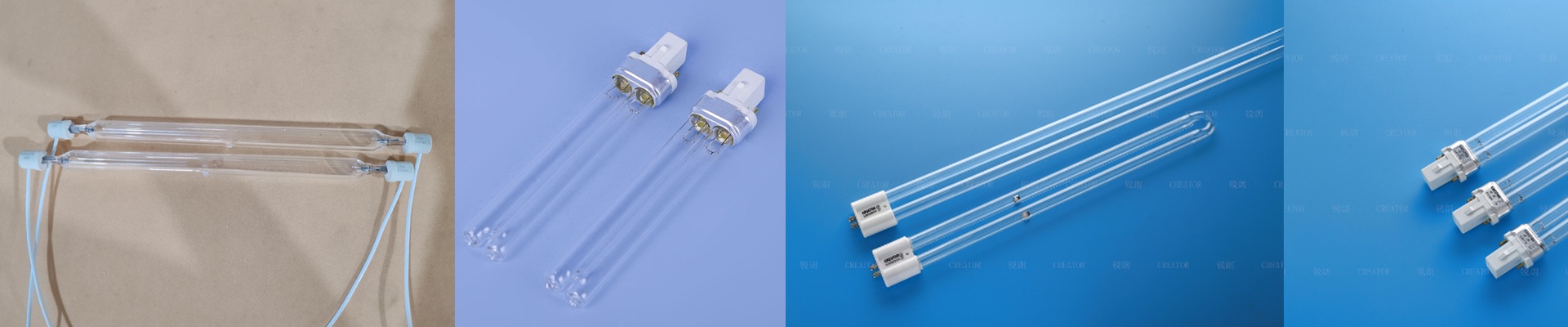
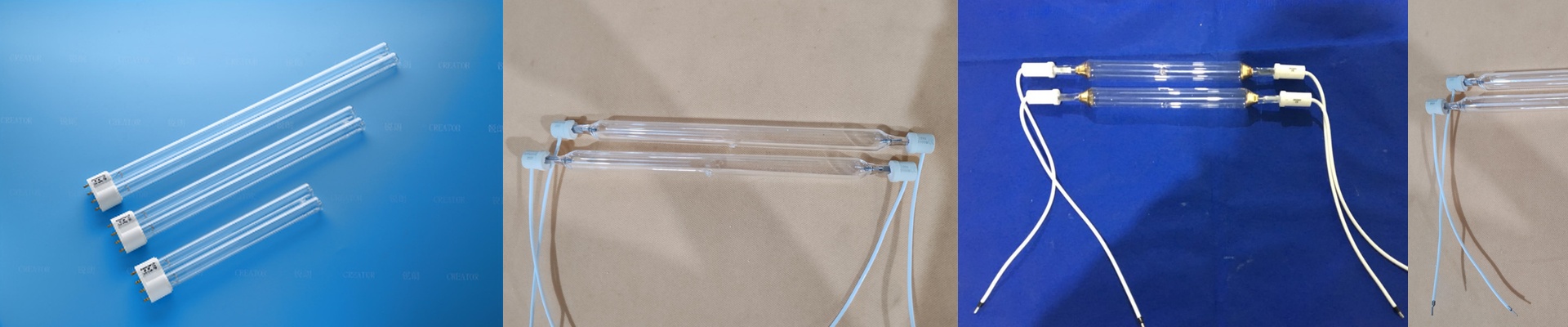
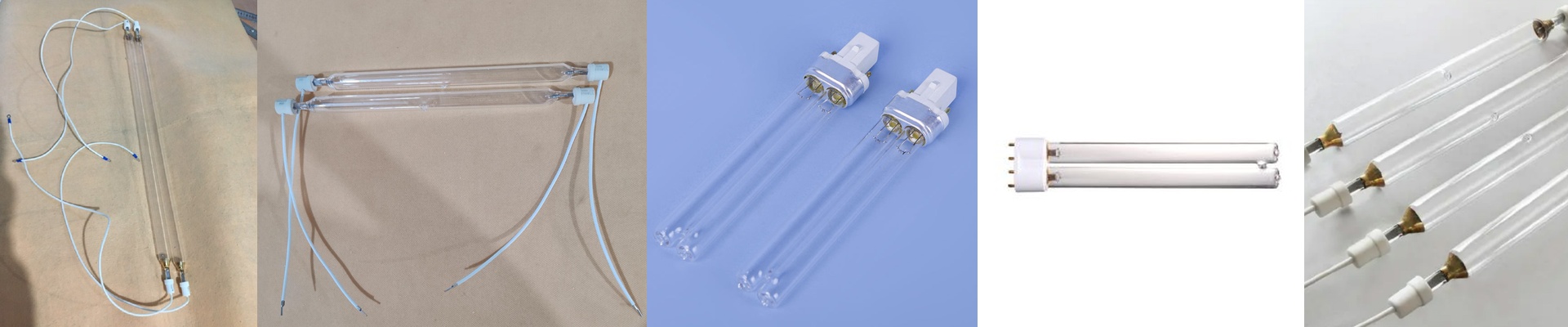
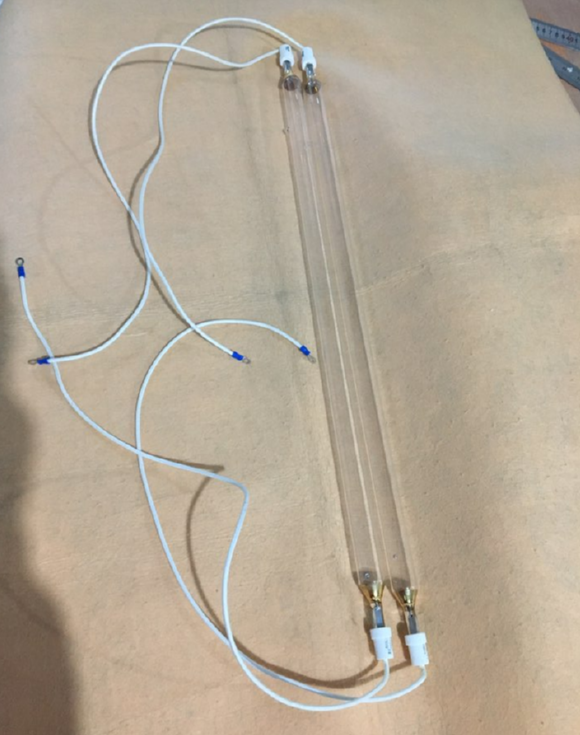
On the press, inconsistent cure isn’t some mysterious gremlin. You see it immediately—adhesion starting to slip, the surface staying tacky, makeready after makeready going down the drain. In UV offset, flexo, and screen work, the usual culprit is spectral drift and irradiance that drops off because the lamp can’t hold its initial output. When you chase that down, you start at the quartz. What actually matters under the hood We run a gallium iodide lamp at 3000W, 380V, built to hold a stable output band that lines up with the photoinitiator absorption—strong energy right where you need it, around 365–395nm. The 99.99% quartz envelope isn’t a sales line; it’s physics. Impurities cause parasitic absorption and solarization, and the output decays early. With high-purity quartz, you keep peak irradiance and keep the spectral curve honest across the life of the lamp. That consistency is what turns dose control into a repeatable number on the floor, not a guess. Why this plays in high-speed curing At speed, wavelength alignment, intensity, and dwell are all locked together. If the lamp can’t deliver, you either back off the line speed or run with ink and coatings that never fully cure. This 3000W gallium iodide unit holds the irradiance needed to hit your target energy density (mJ/cm²) at full press speed, so you get full cross-linking on heat-sensitive substrates and even dense pigment layers. The result is fewer rejects, color that stays put, and lamp replacement you can plan for. A few shop-floor details that make the difference Match the reflector and dichroic coating to the spectral output—mismatches waste energy and drive nip temperature up. Check that the 380V supply is stable and that cooling airflow is what it should be; output is sensitive to operating temperature. Expect a real warm-up window before irradiance settles. And set up lamp orientation and end-of-life sensing so you don’t get blindsided by downtime.