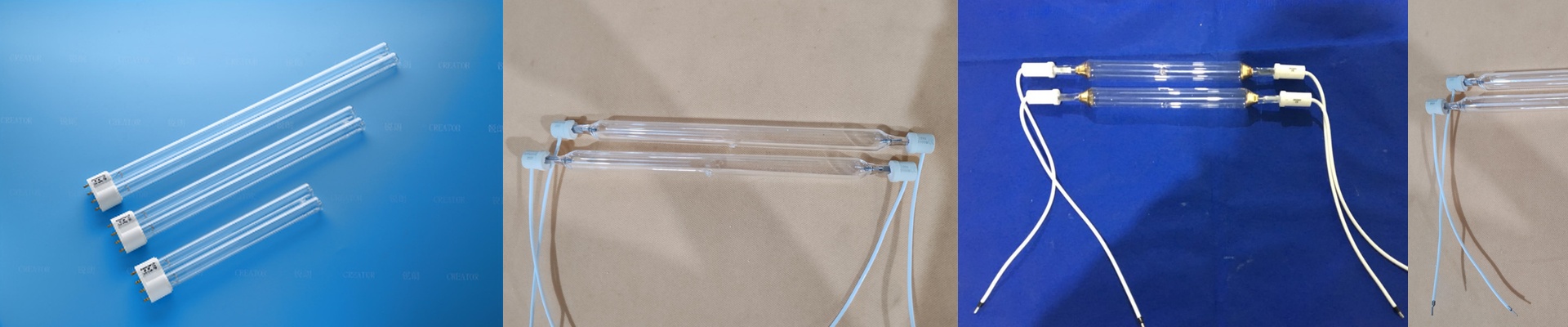
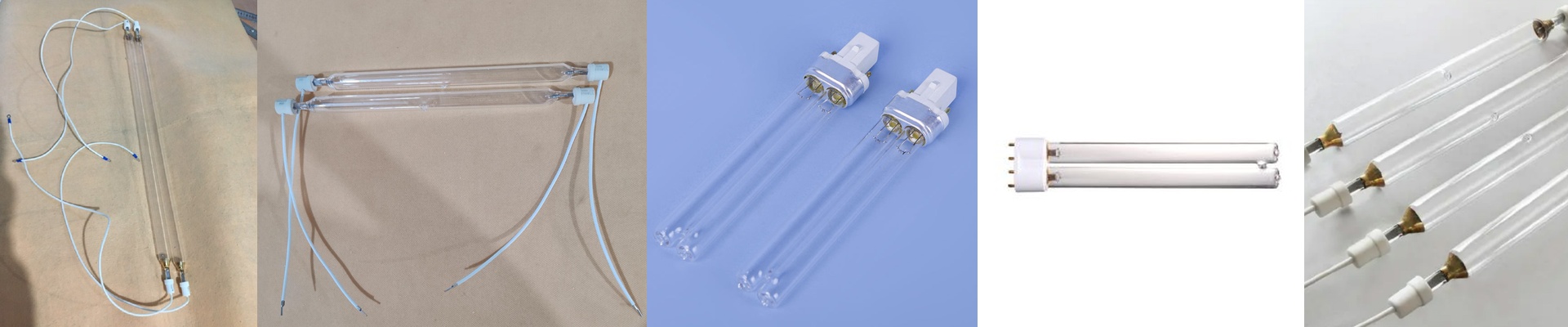
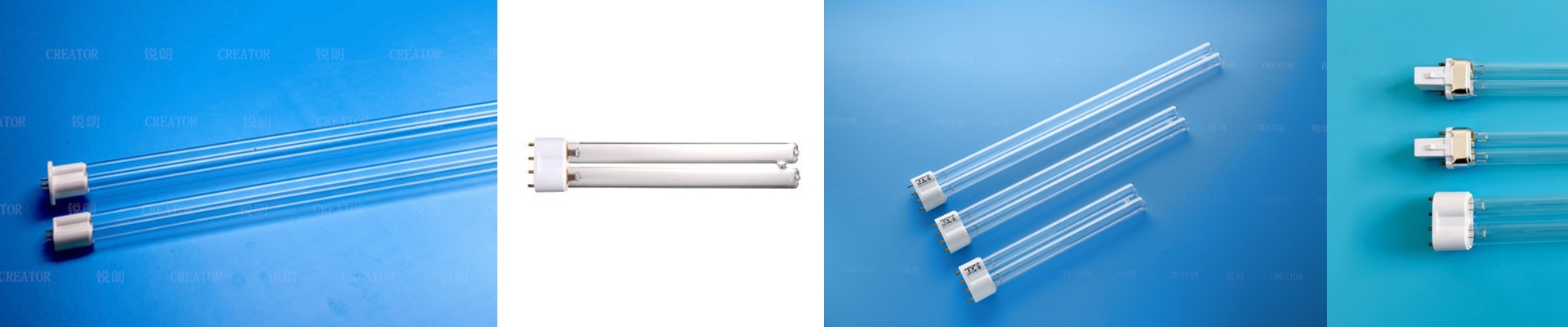
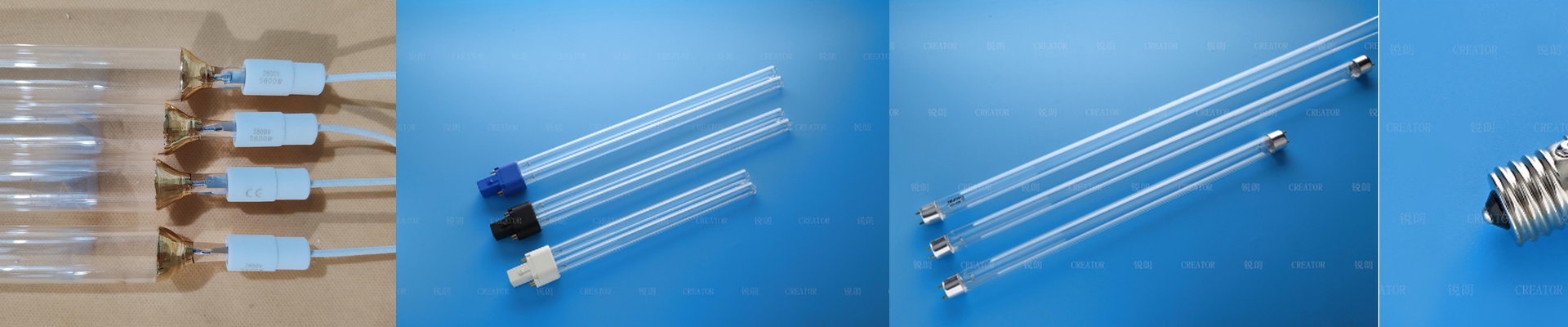
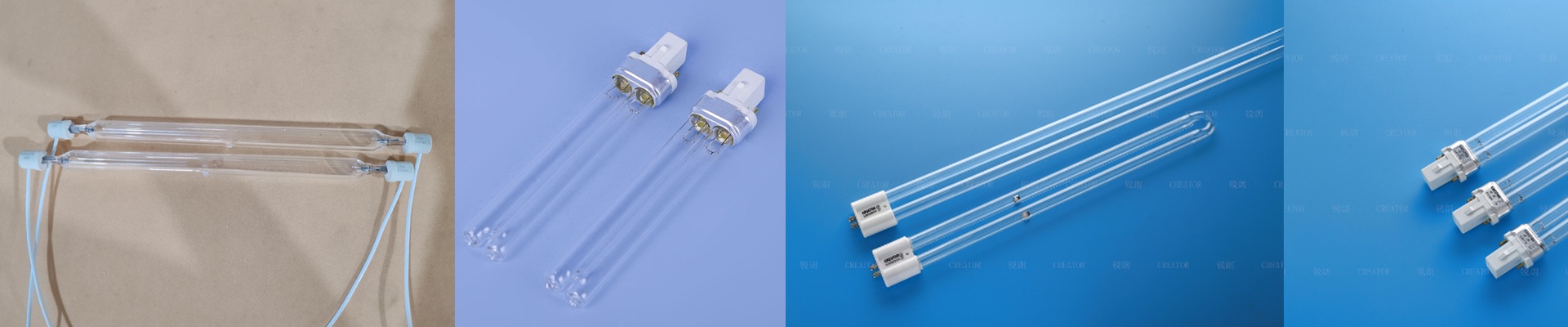
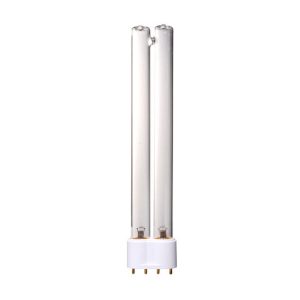
On a packed shop floor, downtime on your UV press doesn’t just cost minutes—it costs orders. When a lamp goes down, you lose more than time. You lose adhesion, you lose color consistency, and you lose the trust you’ve built with your customers. We’ve always focused on one thing: getting dependable, precision-built UV lamp parts into the hands of small and mid-size printers so your press keeps running, not waiting on parts. What actually matters under the hood Nordson UV lamp parts are built around stable spectral output and repeatable energy delivery. The mercury vapor lamp core lays down a predictable spectral profile—strong emission at 365nm, with secondary peaks at 385nm and 405nm—matched to the photoinitiator absorption in UV offset, flexo, and screen inks. A dichroic-coated reflector pushes more usable light forward, so peak irradiance at the substrate lands between 600–1200 mW/cm², depending on how the system is set up. That’s what gives you true instant curing, penetration through pigmented layers, and full cross-linking in one pass. We call out lamp arc length, end-of-life current decay, and ozone-free operation, so your cure profile stays consistent over 3,000–5,000 hours. Here’s the thing with small-batch custom work: the cure has to keep up with variable coverage and fast changeovers. These lamp parts come on instantly with steady UVA output, so you can hold line speed without baking heat into the sheet or leaving residual tack. You end up with tighter register, better scuff resistance, and adhesion that holds up through finishing. Power draw is matched to the system, and reflector efficiency cuts wasted IR, so the substrate stays cool while the ink cures. The payoff is fewer rejects, lower energy cost, and maintenance intervals you can plan around. **Match the lamp to your cure window.**Check arc length, base type, and connector compatibility against your Nordson curing module, and confirm reflector geometry and the dichroic coating for the wavelength emphasis you need. Use a spectral radiometer to monitor—output fades as the lamp ages. Keep the lamp clean, align the reflector precisely, and make sure airflow is adequate; overheating hastens output decay. When you replace parts, recalibrate speed and intensity to maintain the required energy density at the substrate.