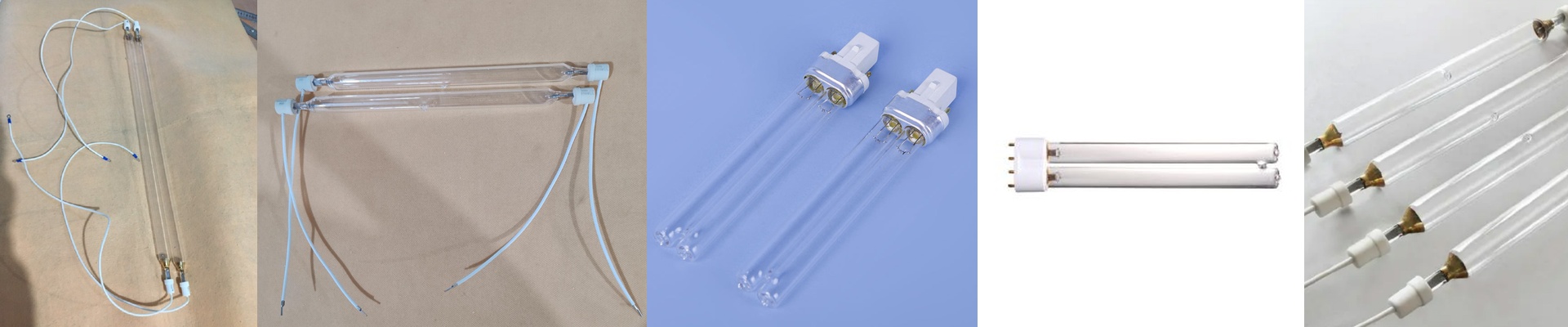
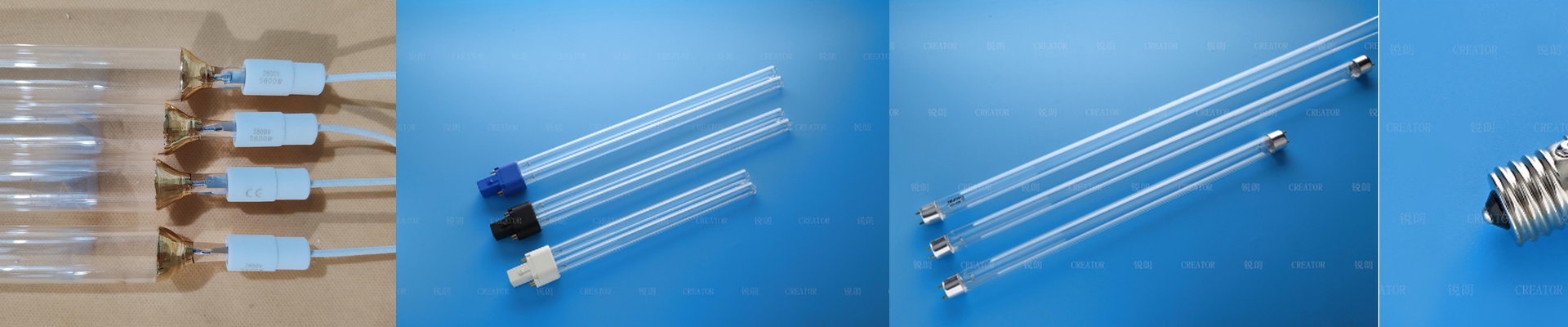
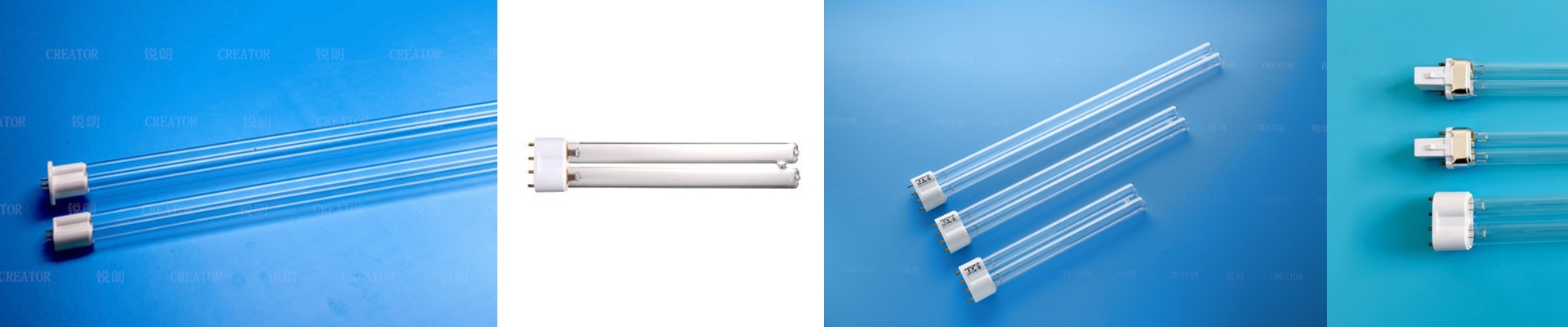
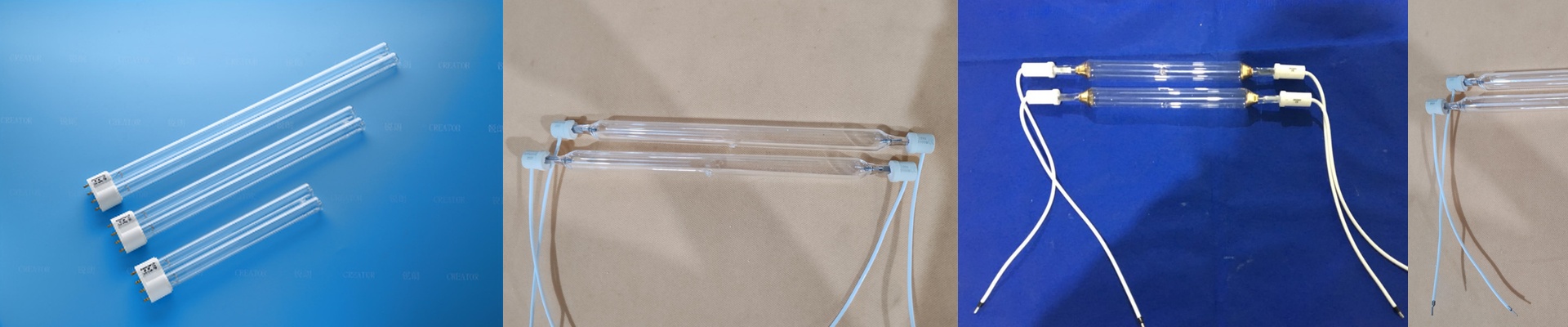
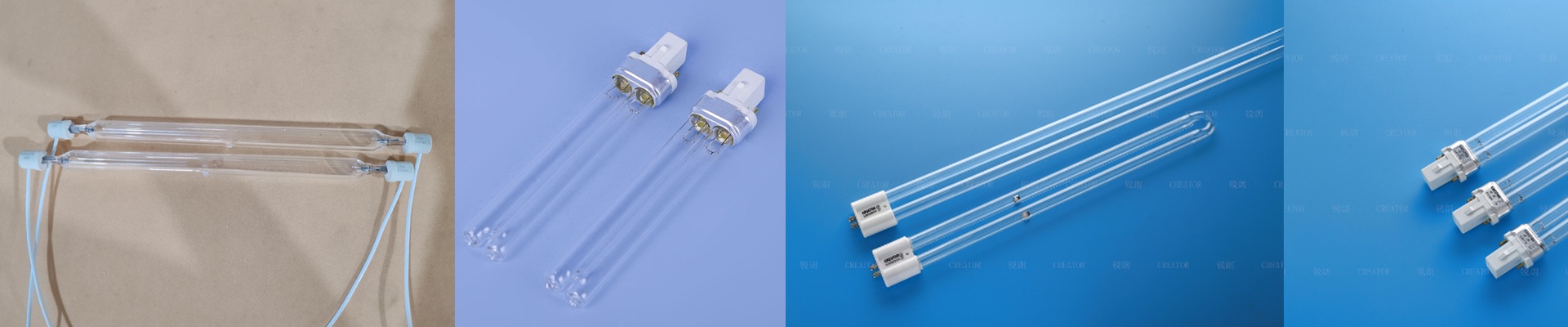
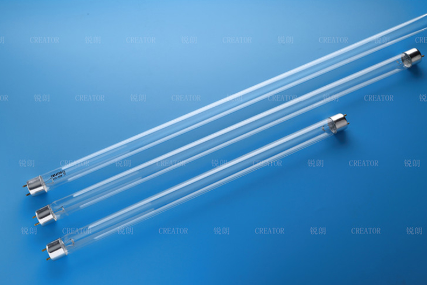
On the press floor, color drift isn’t a cosmetic problem—it’s scrap, rework, and missed deliveries. In pad/tampo printing and screen work, if your UV lamp isn’t putting out stable, wavelength-matched energy, the photoinitiators in the ink don’t get fully excited. That means incomplete cross-linking, residual tack, and pigment shifts that show up as inconsistent density from run to run. What matters under the hood A 254nm UV sterilization lamp is built around a low-pressure mercury vapor discharge, with a dominant emission line at 254nm. For printing, it comes down to spectral control: tight line width, repeatable irradiance, and a reflector system that keeps the target wavelength intact. We spec lamps with stable output over the full duty cycle, measured at the substrate as peak irradiance and dose (mJ/cm²). High-pressure mercury lamps run broad spectrum and dump extra IR; on color-critical work, that broadband energy adds variability. Our 254nm systems are engineered to deliver repeatable energy density with minimal spectral noise, so you hit the photoinitiator absorption profile consistently. Why this works where it counts Wavelength matching is what protects color consistency. When the lamp output lines up with the ink’s absorption peaks, curing starts at the surface and moves through the layer with uniform cross-linking, so you don’t get under-cure that dulls or shifts color. In practice, you’ll see tighter ΔE across press shifts, fewer wash-backs, and faster make-readies. Compare performance head-to-head: our lamps hold stable irradiance over thousands of hours, while a lot of alternatives lose output early. That forces you to chase dose by cranking power, slowing the line, or swapping lamps too often. The payoff is lower energy draw per cured sheet and fewer lamp changes—less downtime and less maintenance labor. What you need to keep straight on the floor These lamps are sensitive to position and airflow. Keep reflector alignment and distance to the substrate within tolerance; if you don’t, dose distribution drifts and color starts wandering edge-to-edge. Also, 254nm sources can generate ozone if you don’t manage it—use ozone-free configurations or verified exhaust. Finally, confirm compatibility with your press’s lamp housing, power supply, and shutter cycle. Treat it as a system, not just a bulb, and color stability becomes repeatable.