Let’s Talk About the 380V System—The Secret to Keeping Your Print Line Humming
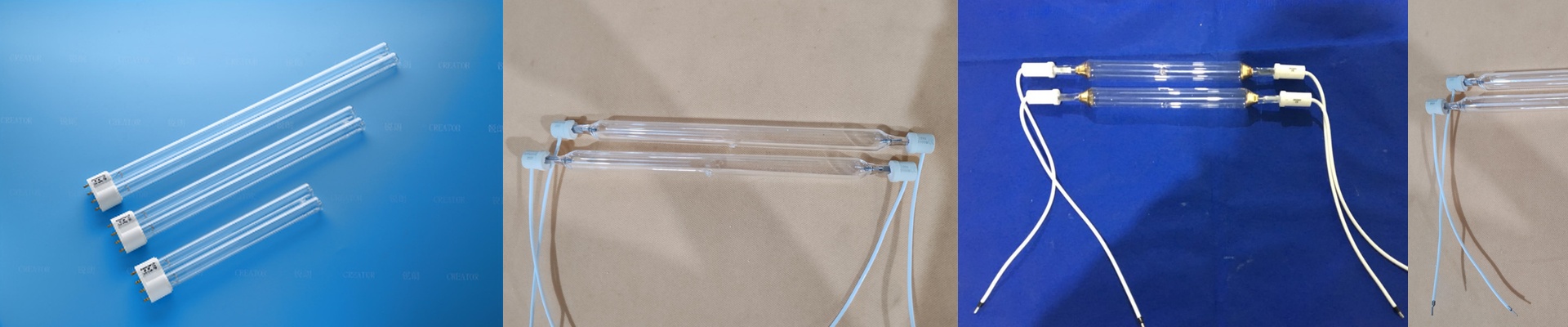
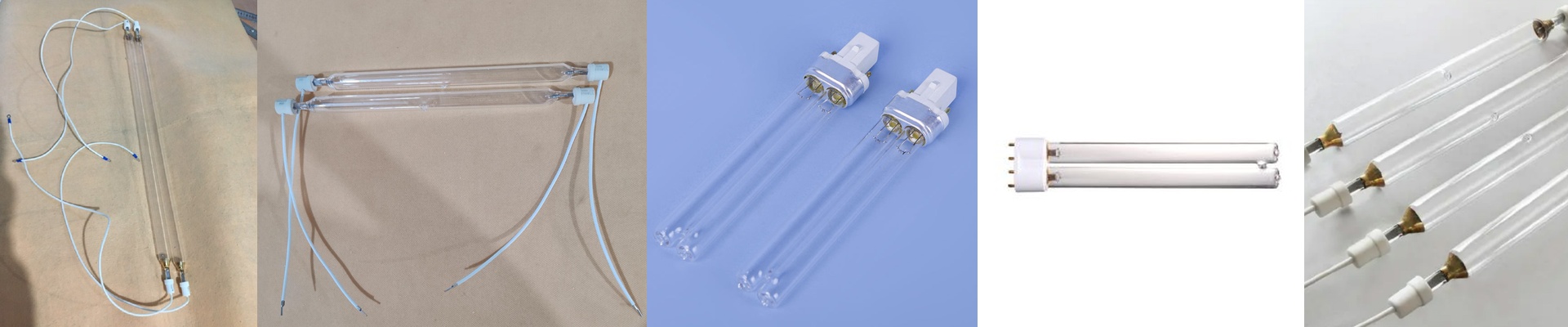
When you’re running a high-volume print line, every minute of downtime is money slipping right through your fingers. That’s why we built our UV lamp transformer around a 380V input. And no, that wasn’t a random choice. It’s the same voltage you already have running through your plant’s electrical system. So you can plug this thing in and wire it straight up—no need to shell out for extra step-down transformers. We pair that transformer with a UV lamp that’s rated for 380V, too. Matching the voltage like this cuts down on energy loss and keeps the power flowing steady to the arc. The payoff? Consistent output, even when your machine shifts from idle to full-throttle production. You get curing that’s reliable, shift after shift, with no surprises.
Built to Take the Heat—And the Daily Grind
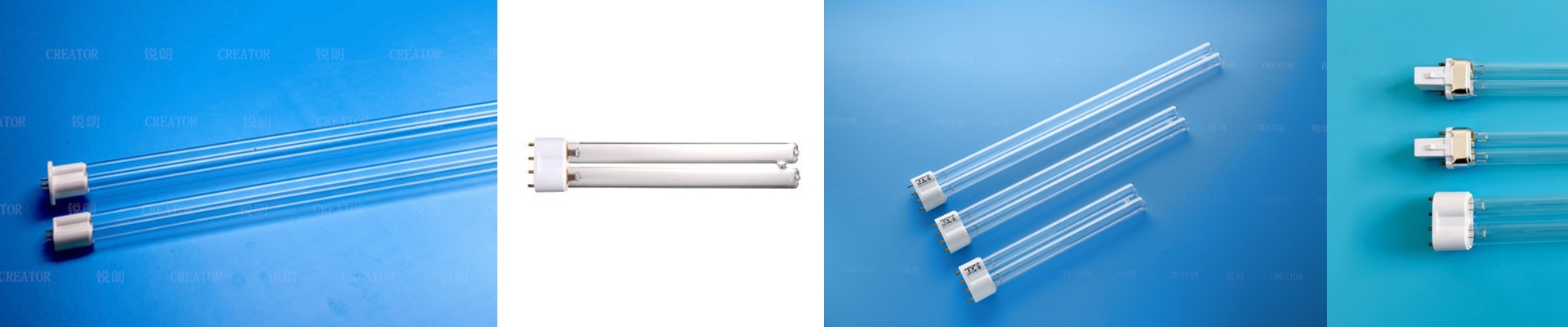
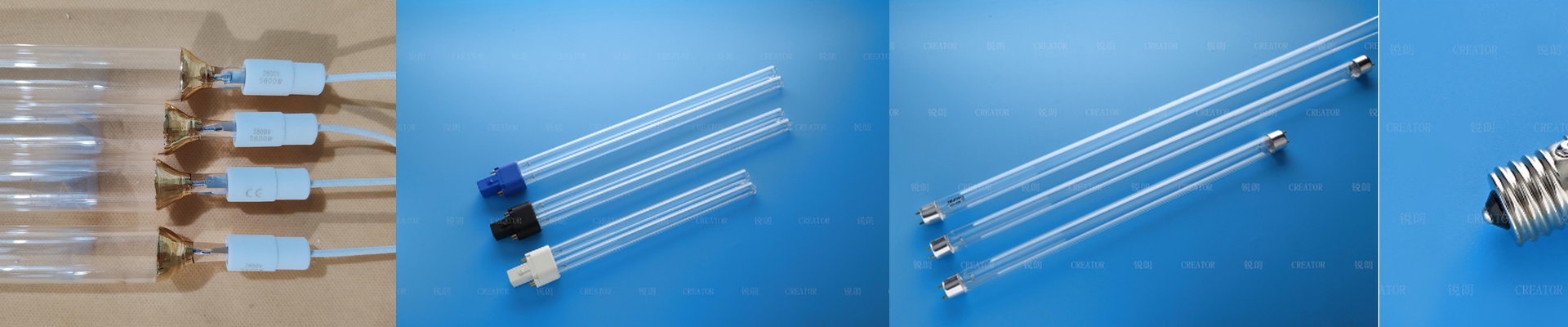
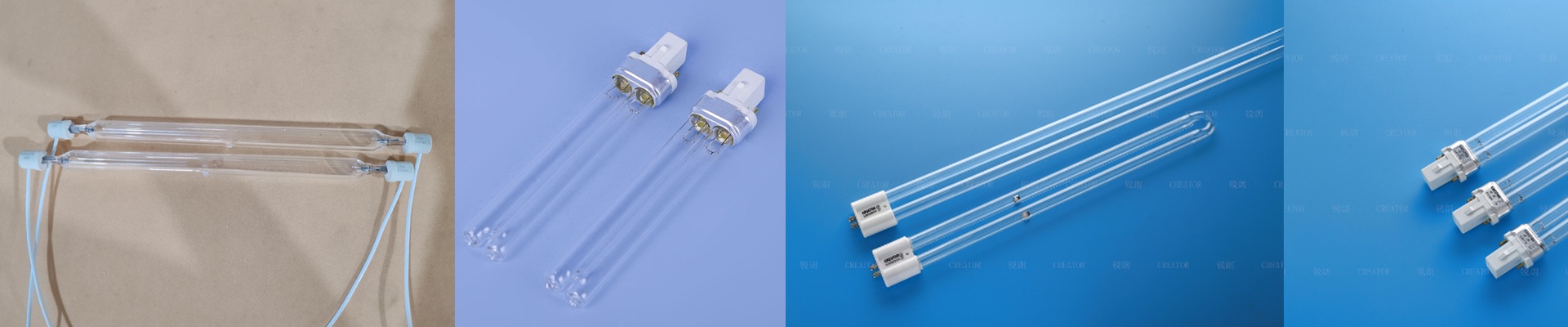
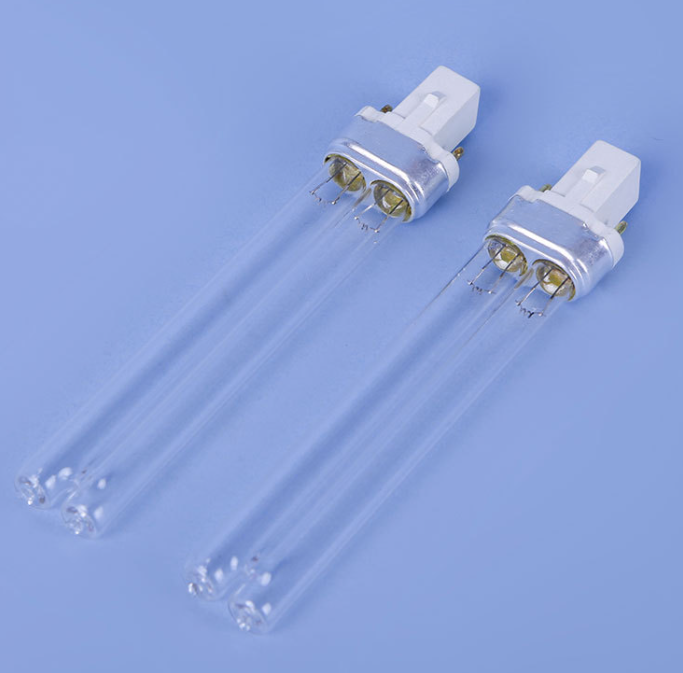
The lamp itself? We wrapped it in a quartz envelope and added a precise internal coating. That coating is tuned to hit the exact UV spectrum your ink needs to cure fast, concentrating the power where it matters most. Quartz doesn’t flinch at high heat. It stays solid, even when things get scorching, so you don’t have to worry about the lamp failing when the temperature climbs. And the R7s connector is the unsung hero here. It handles high current without taking up space, and it makes swapping out a lamp dead simple. Pop in the new tube, click the connector back in place, and you’re back up and running.
Why This Matters on the Floor: Speed, Reliability, and Zero Headaches
In printing, speed is everything. Our UV lamp setup gives you the energy density you need for instant curing, so your web keeps moving and you cut down on wasted sheets. The transformer and lamp are designed as a matched pair. That means you won’t run into mismatched power curves that cause flickering or burn the lamp out too soon. We built this for the lines that never stop. The components are modular, so replacements are quick. And we’ve kept the supply chain tight, so you won’t be waiting weeks for a new unit to arrive. One thing to keep in mind: when you run a 380V system at full duty, it does throw off a lot of heat. Make sure your machine’s cooling is up to the job, and plan that thermal load from the start. Get that right, and the system will run flat out without skipping a beat.