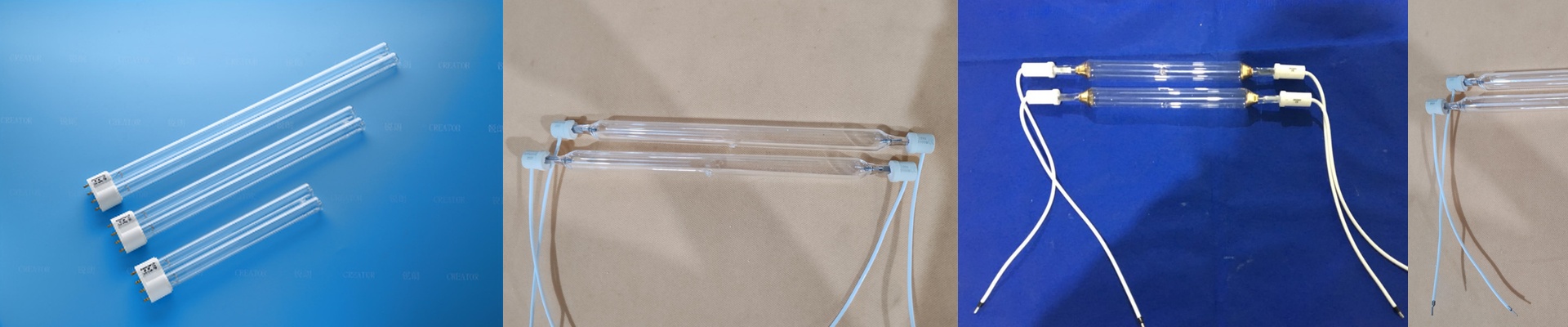
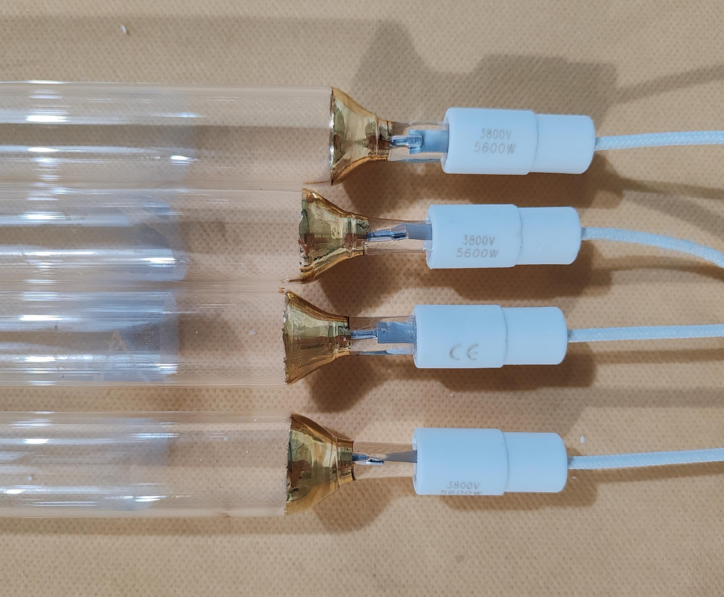
Introduction
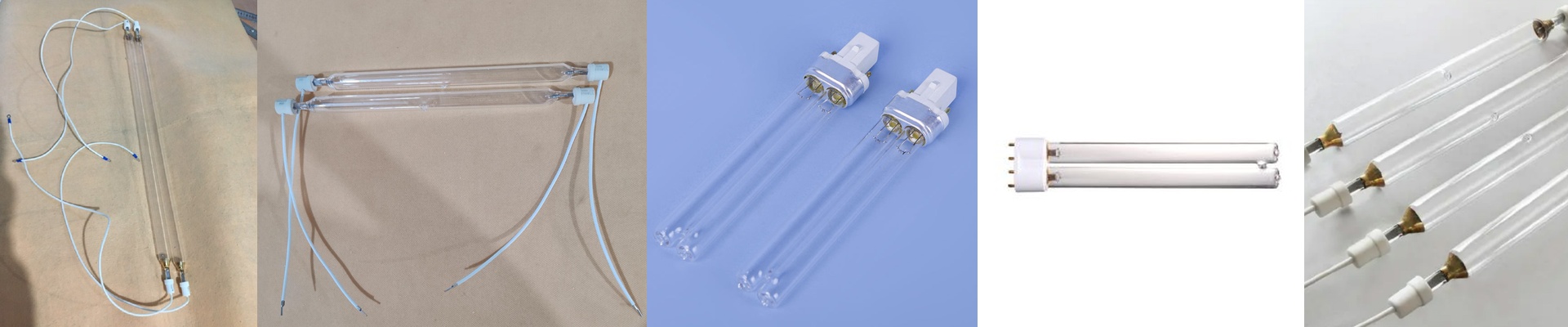
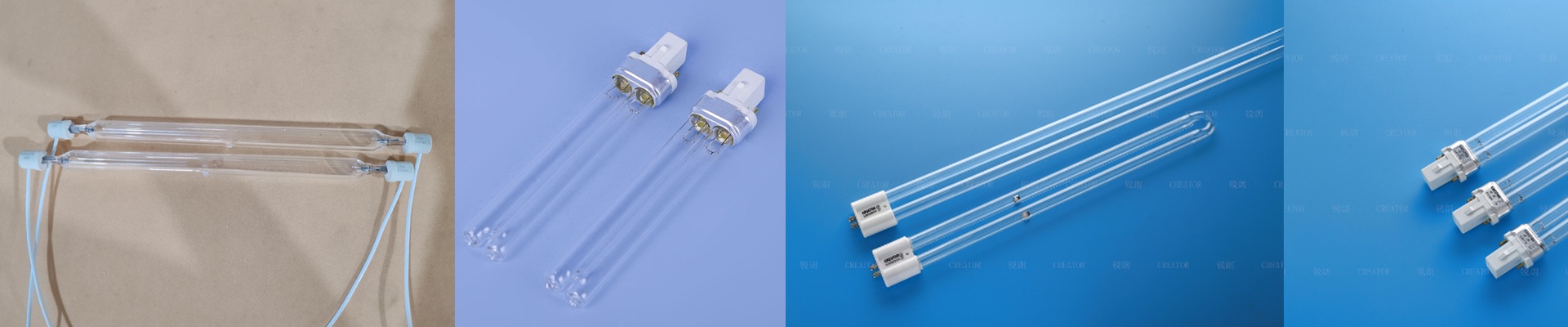
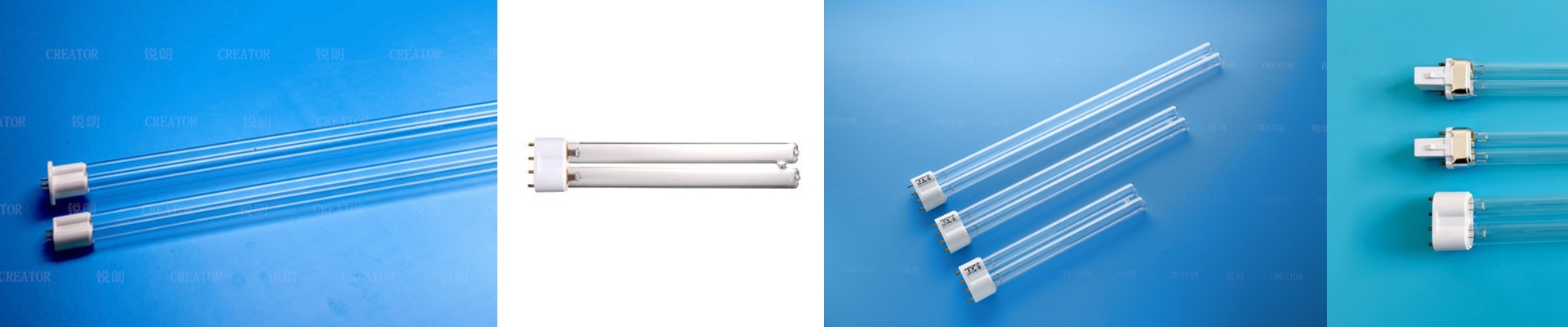
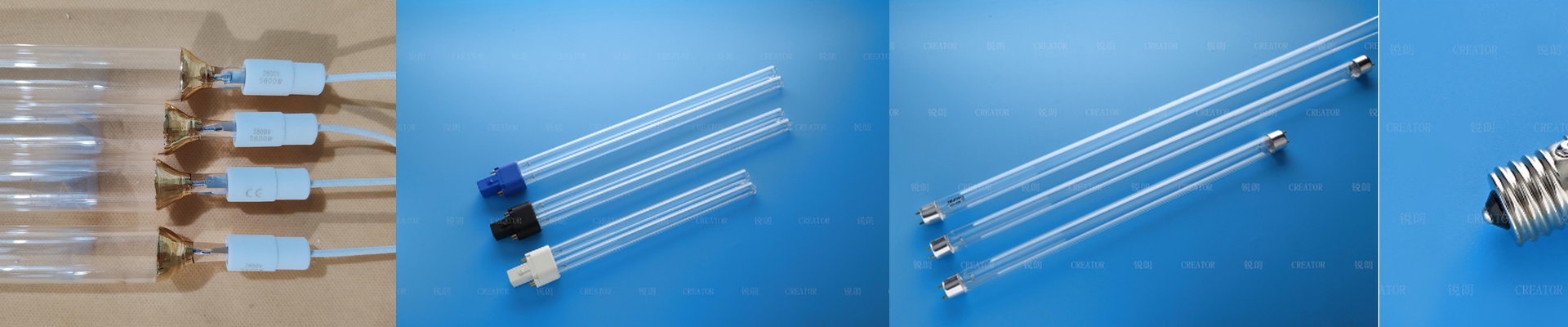
We built this motion-sensor UV sterilization light for one reason and one reason only: to nail thick-layer prints. You know the problem—when you pile on heavy ink or a thick coat, a quick surface pass just isn’t enough. You need UV that punches all the way through, so the bottom cures right alongside the top.
Power, Voltage, and Output: Why It Actually Reaches the Bottom
Thick layers eat up UV. They absorb it. They cast shadows inside the print. So we gave the lamp serious photon density—high-intensity output paired with a stable, high-voltage drive. The payoff? The arc stays steady even when the ink layer is pushing back. No more guessing. No more “hot on top, soft underneath.” You get consistent cure depth, print after print, cycle after cycle.
Material & Design: Penetration That’s Engineered, Not Hoped For
More power alone won’t do it. You need the right spectrum and the right delivery. That’s why we chose a UV source that delivers strong shortwave output—the kind that drives curing chemistry through thick buildup, not just across the surface. We also picked a quartz envelope that transmits that output cleanly, and designed the internal geometry so the arc sits in the sweet spot relative to the printed surface. That’s how you get curing from substrate to top, not just a skin-deep cure.
Real-World Results: Thick Prints Without the Under-Cure Nightmares
On thick-layer lines, under-cured bottoms lead to headaches—adhesion failure, cracking, and durability that falls apart when the job matters. Our lamp pushes energy through the whole stack, so the bottom cures at the same pace as the top. And the motion sensor? That’s the practical touch that saves you every day. The lamp only fires when the part is there, so you cut wasted runtime and keep heat off the line. Just keep this in mind: the higher power density means your cooling and shielding need to be set up properly. This isn’t a plug-and-play add-on—it’s a focused upgrade built for demanding thick-layer work.