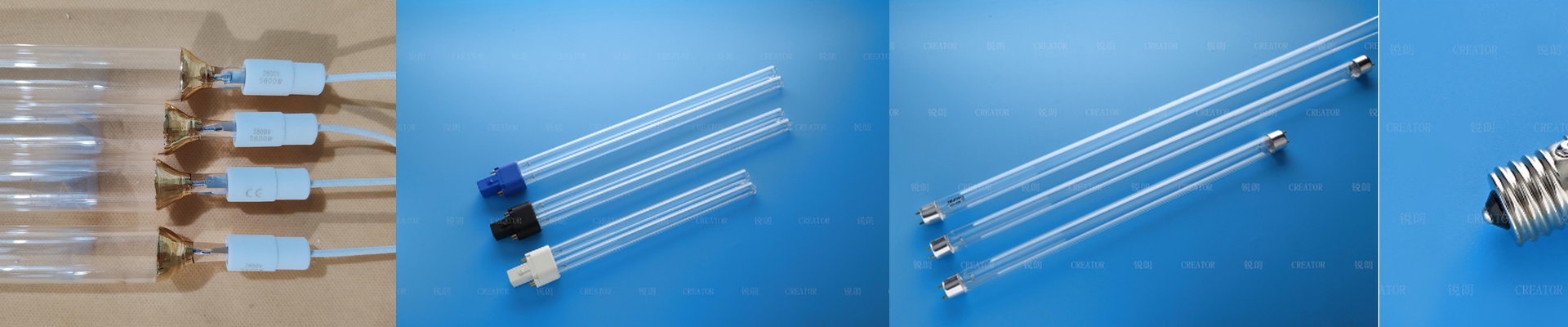
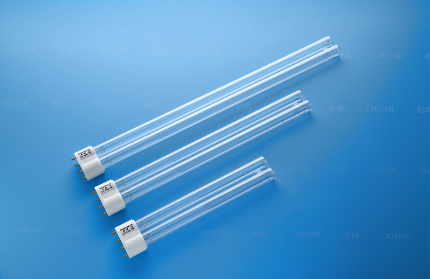
Getting to Know the 4-Pin UV Lamp System
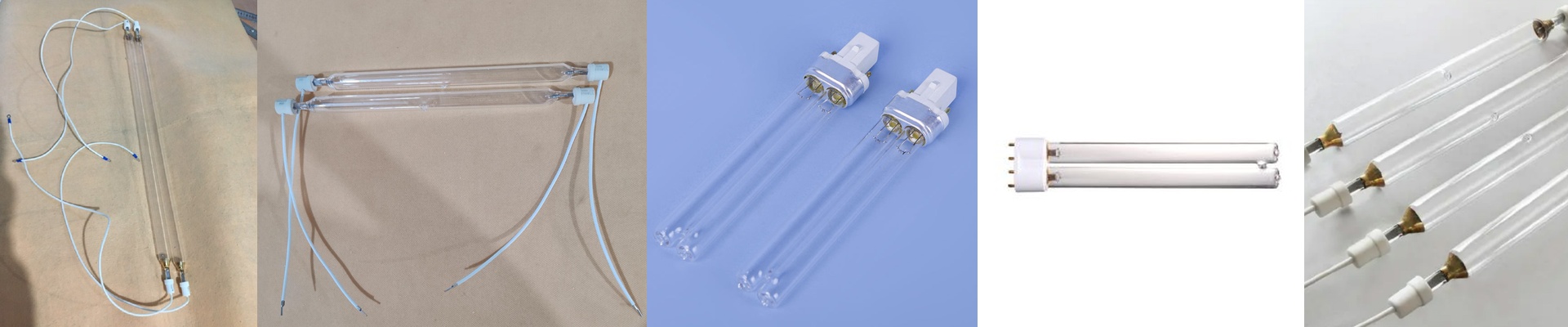
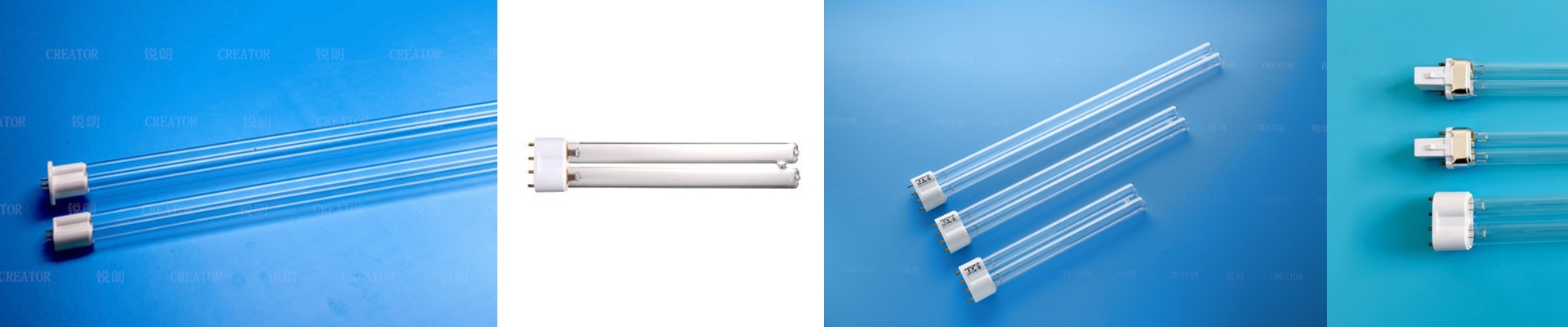
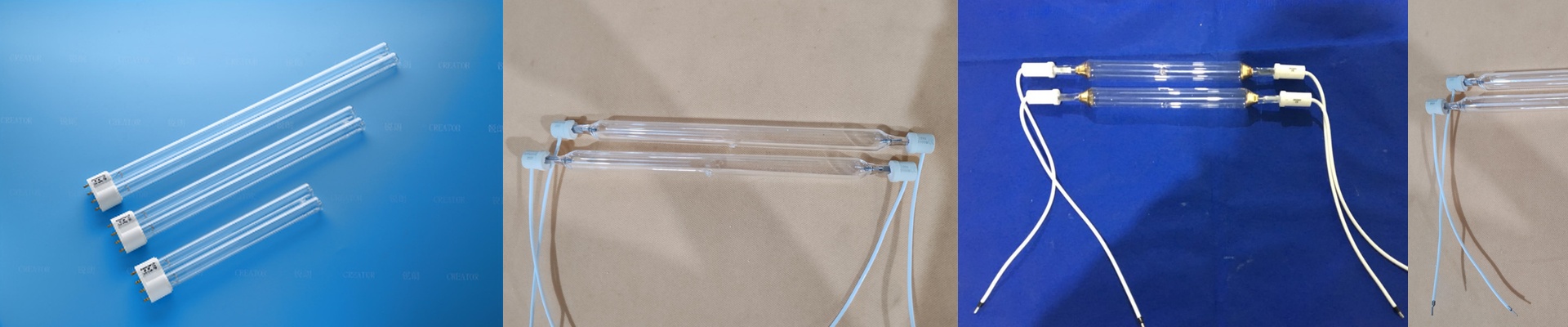
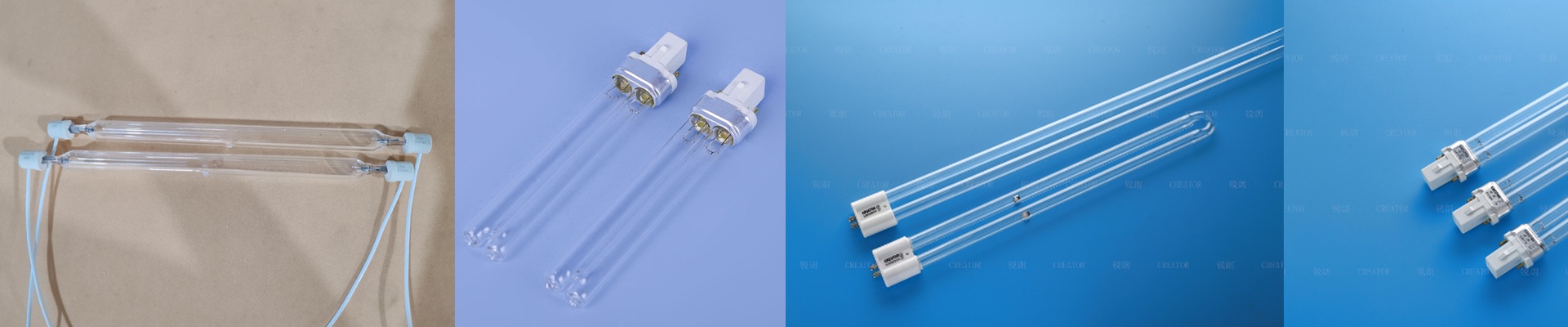
We built these lamps for one reason: to give industrial heating jobs the kind of fast, focused heat that actually gets the work done. That 4-pin setup? It’s more than just a connector. It’s what keeps things running strong when the power is high and the demands are constant. Here’s the neat part. The 4-pin base keeps the filament circuit and the ignitor path completely separate. That means the lamp can handle higher wattages and take repeated hot starts without chewing up the electrodes. It just keeps going.
Power, Voltage, and the Right Fit
These lamps are made to run at 400V, so you get serious heat density in a package that stays compact. You’ll usually see them in 300mm or 3000mm tube lengths, which gives you a clear, defined heat zone right where your machine needs it. The 4-pin connector is there to carry the current that high-wattage halogen elements demand. This is a direct-wire system, plain and simple. Just make sure your control gear is matched correctly—otherwise, the lamp will burn out way too soon.
What It’s Made Of: Quartz, Coating, and the R7s Base
At the heart of it is a quartz envelope. It handles thermal shock without flinching, and it transmits UV the way you need. Many versions add a reflector coating that pushes energy forward, so you get more intensity where it counts. The R7s base is the standard for linear halogen lamps, and for good reason. It gives you a rigid, two-ended mount that holds alignment even in tight fixtures. With the 4-pin variant, the lamp locks in place and keeps solid contact—even when there’s vibration.
Where It Shines—and What to Watch For
This configuration is ideal for PET blowing, thermoforming, and curing lines. The kind of work where you need a fast ramp-up and precise zoning. Because it’s 400V and high-wattage, you get intense heat without taking up a lot of space. But here’s the trade-off: heat management. You have to plan for solid cooling and proper shielding. If you push the lamp beyond its rated voltage, or if the fixture doesn’t stay cool enough, you’ll see the service life drop. When your machine is wired for the 4-pin standard, though, this is a straightforward drop-in replacement.