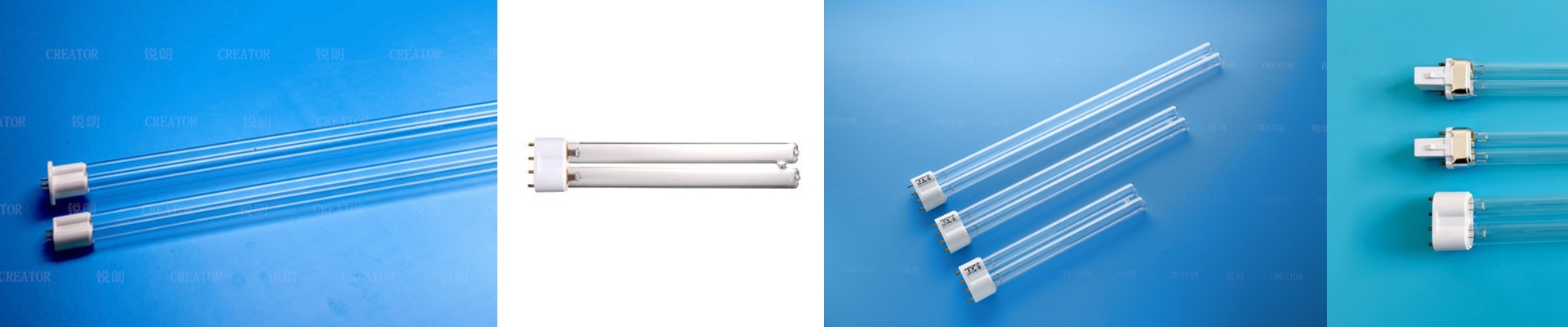
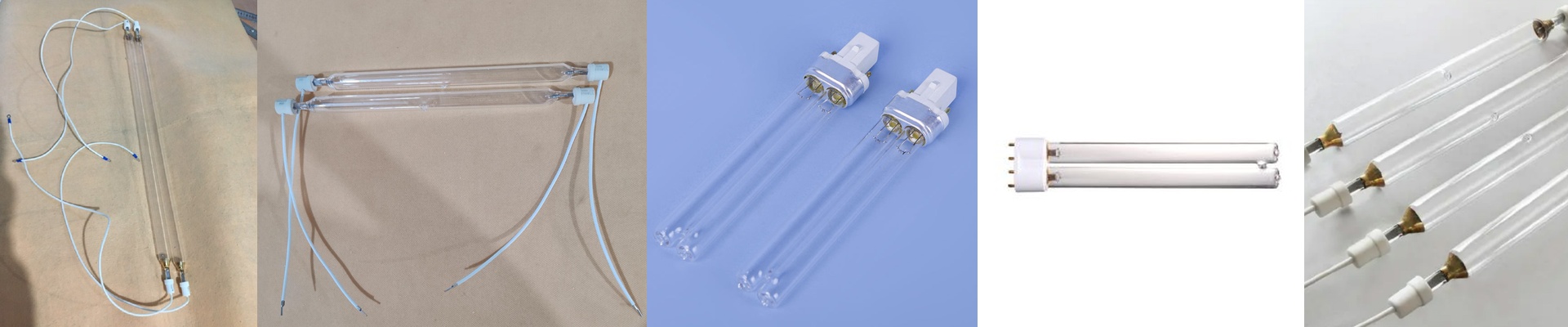
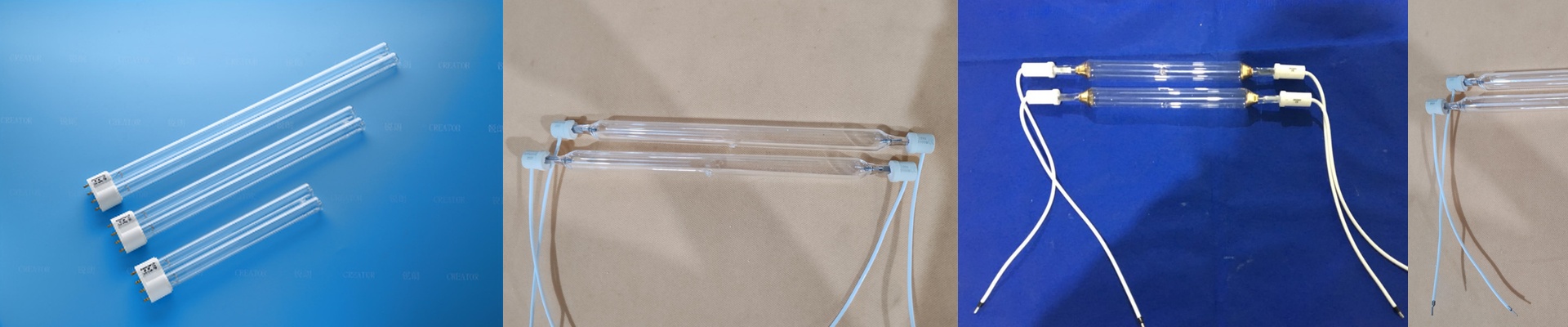
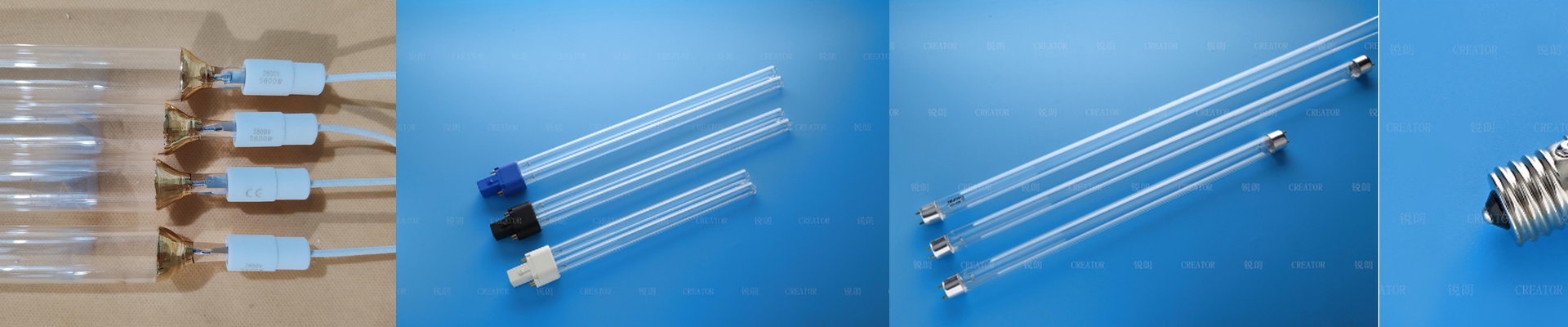
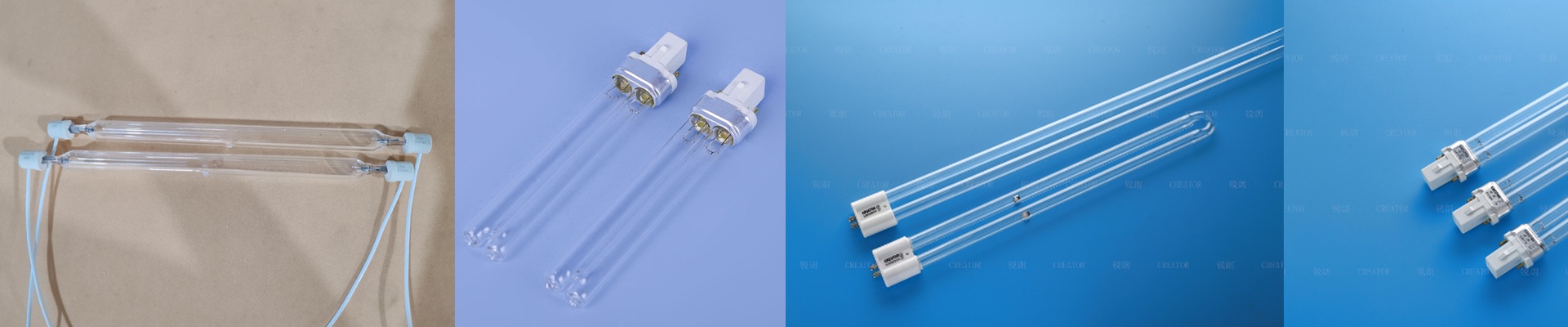
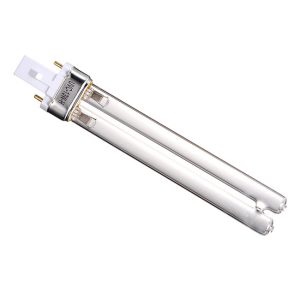
On the press floor, a good cure and a sticky mess come down to millijoules per square centimeter. No opinion—just spectral output, peak irradiance, and timing. That’s why the press builders who run serious UV lines spec our lamps as their OEM cure source: we deliver repeatable, application-matched performance, lamp after lamp, across the life of the system. The backbone of that reliability is the gallium-doped UV curing lamp. It’s still a high-pressure mercury vapor lamp at heart, but the doping shifts spectral energy toward the longer wavelengths—typically 395 nm to 405 nm—while still keeping usable output around 365 nm. That shift matters because a lot of modern UV inks and coatings are built around photoinitiators that respond more predictably in the 395–405 nm band, especially when you’re running thick films or heavily pigmented inks.
What actually matters on the machine
A gallium-doped lamp is about shaping the energy that hits the substrate. In the real world, you’re balancing three things: wavelength mix, irradiance profile, and stability.
- **Spectral output:**Gallium doping pulls back the short-wavelength spike that can drive surface quenching and oxygen inhibition, while boosting the longer wavelengths that penetrate deeper. The payoff is more uniform cross-linking through the film, not just a skin cure.
- **Peak irradiance and dose:**Curing is photochemistry. You need enough photon flux at the right wavelength to hit the required energy density (mJ/cm²) at press speed. Gallium-doped lamps can deliver higher irradiance in the 395–405 nm region, which often translates to faster curing on thicker deposits and darker pigments.
- **Lamp life and output stability:**Output will degrade—that’s inevitable—but it should drift in a predictable way. We design for stable arc maintenance and controlled electrode erosion so irradiance stays consistent over thousands of hours. Units regularly run 5,000+ hours with less than 5% output drop when operated within rated power and cooling.
- **Reflector and dichroic control:**The lamp doesn’t cure alone. Reflectors with precise dichroic coatings shape the spectral distribution and focus energy onto the web or substrate. When the reflector is matched to the lamp, you get better efficiency and less wasted heat.
- **System compatibility:**These lamps are built to drop into existing curing stations—OEM mounting dimensions, standardized electrical interfaces, and pressure/cooling connections that align with common modules. We fit the curing module, not the other way around.
Why it plays in real printing processes
Every press build comes down to one question: can the UV system cure reliably at production speeds without cooking the substrate or creating maintenance headaches? Gallium-doped lamps answer that by aligning the spectrum to the chemistry and the process.
Offset printing
In offset, you need a cure fast enough to prevent set-off, but controlled enough to protect heat-sensitive stocks. Gallium-doped lamps deliver higher long-wave irradiance, which helps cure the bulk of the ink quickly while still keeping surface cure quality. Cutting the short-wave spike reduces surface quenching, so you get better scratch and rub resistance right off the press.
Flexo and narrow-web label
Flexo inks—especially opaque whites and dense colors—are thick and pigmented. Longer wavelengths penetrate better, which lowers the risk of uncured material trapped under the surface. Gallium-doped lamps give you the deeper penetration needed for stable through-cure at higher speeds, and they still support surface cure when you pair them with the right reflector and power settings.
Screen printing
Screen lays down heavy deposits. The bottleneck is usually the bottom of the deposit, not the top. Gallium-doped lamps, tuned for 395–405 nm output, increase the effective depth of cure, which cuts residual tack and improves throughput. On thick-layer work, it’s common to pair a gallium-doped main lamp with a shorter-wavelength pre-cure or top-cure to balance surface hardness and depth.
Why OEMs lean this way
OEMs don’t pick lamps off a single test sheet. They pick for repeatability, integration cost, and field performance. Our gallium-doped lamps come as a validated subsystem: the right spectral balance, reflector geometry matched to the lamp, and documented operating windows. That means less commissioning time and fewer surprises when you move from lab trials to production.
The practical details you can’t skip
Gallium-doped lamps aren’t a one-size-fits-all swap for every UV lamp in every press. They shine when the whole curing stack—lamp spectrum, reflector coating, power supply, shutter cycle, and cooling—is treated as one engineered system.
- **Match the photoinitiator:**If the ink or coating is tuned for strong absorption below 380 nm, a gallium-doped lamp can underperform unless you adjust the formulation or add a secondary short-wave source.
- **Keep power and cooling disciplined:**High irradiance means heat. Maintain rated airflow or water-cooling flow. Overheating shortens lamp life and shifts the spectral balance.
- **Manage ozone properly:**Gallium-doped lamps can still generate ozone at the short-wave end. Use ozone-free quartz or proper venting where required, and follow the module’s safety and ventilation guidance.
- **Respect start-up and shutdown behavior:**Like all high-pressure mercury-based lamps, output stabilizes after warm-up. Plan your press start-up sequences accordingly, and avoid frequent hot restarts—they accelerate electrode wear. If you want less scrap, a stable cure at higher speeds, and fewer maintenance interruptions across multiple press platforms, start with spectral control. Gallium-doped UV curing lamps deliver that control with OEM-grade precision—built to the geometry of your curing station and validated to the tolerances your press demands.