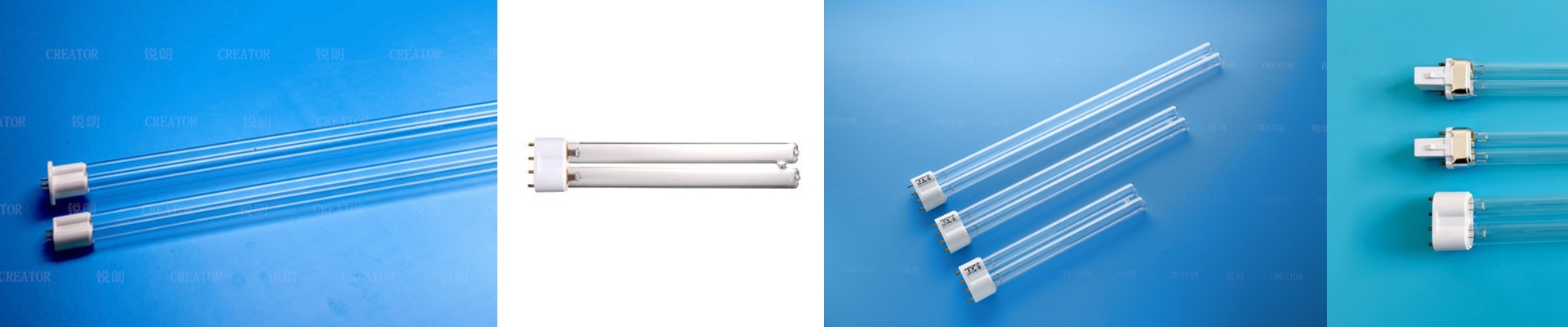
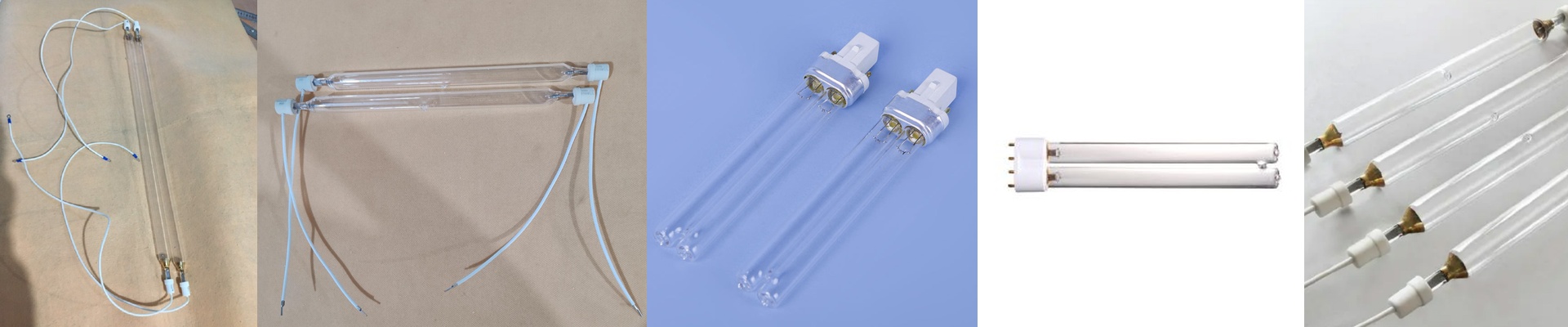
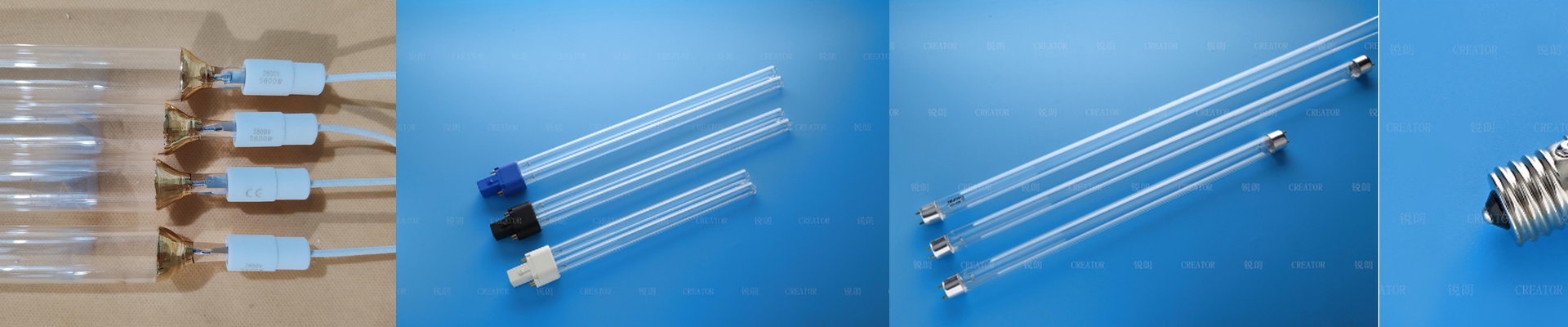
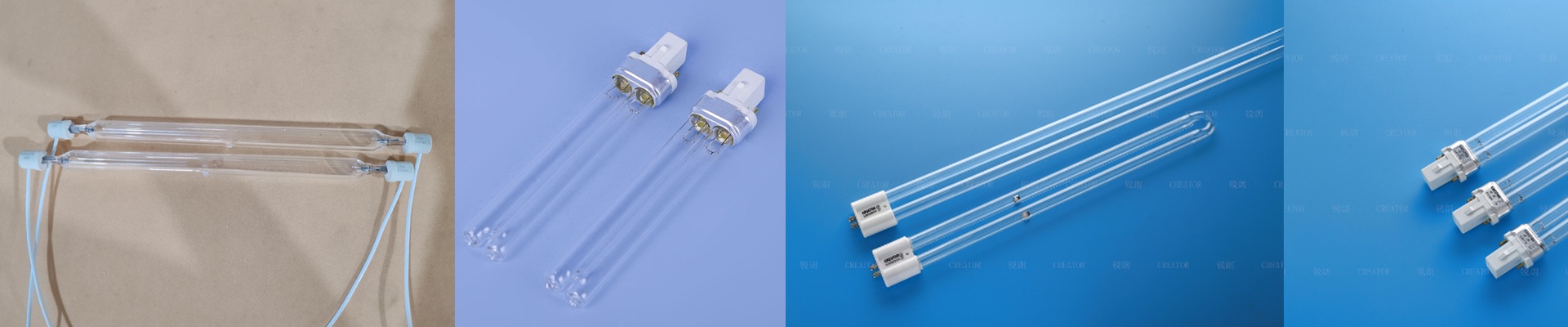
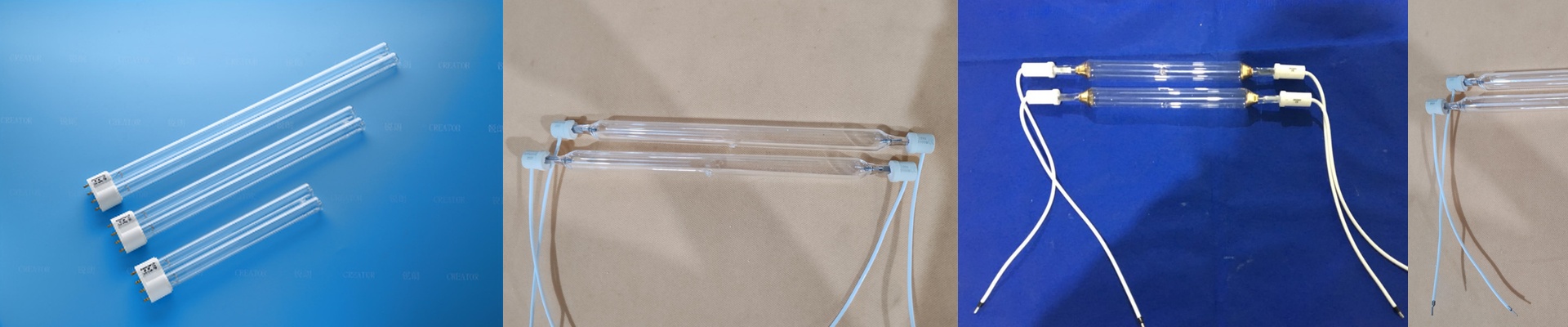
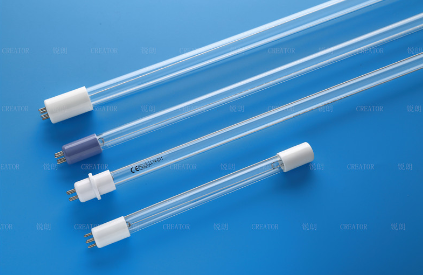
Lab-grade photochemical reactors can’t handle spectral noise. When you’re running wood-finish formulations, the photoinitiator package is tuned to specific wavelengths—365 nm for surface cure and 385–405 nm for through-cure. Throw a non-pure spectrum into the mix and you get side reactions you can’t predict. Repeatability goes out the window. That’s why the mercury UV lamp has to deliver stable, narrow-band output with tight tolerances—not a broad, sloppy hump. What matters on the floor is performance you can measure. We engineer our mercury vapor lamps for consistent spectral output, keeping peak irradiance across the full arc length. The reflector assembly puts stray photons back where they belong—onto the substrate. That gives you predictable energy density at the coating surface, so cross-linking happens at the rate you set, without scorching the substrate or leaving tack. We track output stability across the lamp life curve for a reason: if the lamp drifts in intensity, you end up chasing cure settings every time you swap it out. It comes down to control. In wood finishing, you need a cure profile that matches the coating chemistry and the line speed, not a one-size-fits-all blast. With a spectrally pure mercury UV source, you can dial in the dose, hit it run after run, and cut scrap from undercured edges or surface defects. You also save energy when reflector efficiency is high and lamp output stays steady. And unplanned downtime drops when you can plan lamp replacements around the schedule. Here’s the practical constraint: mercury UV lamps throw off heat, and thermal management directly impacts output stability. Mount the lamp with the correct airflow and spacing, and make sure the fixture matches the reflector geometry. **Plan the thermal budget in the chamber.**Before you integrate, confirm connector compatibility and arc-length fit with your existing reactor or curing module.