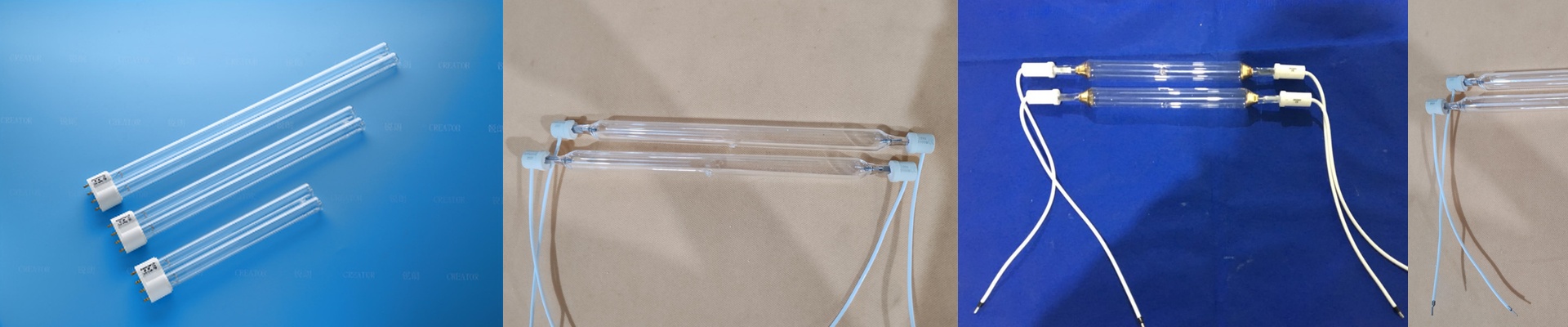
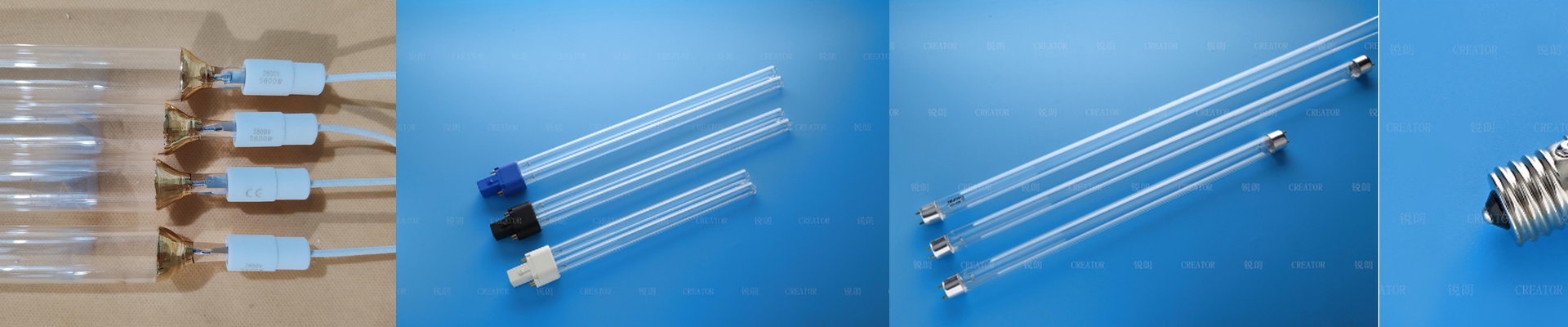
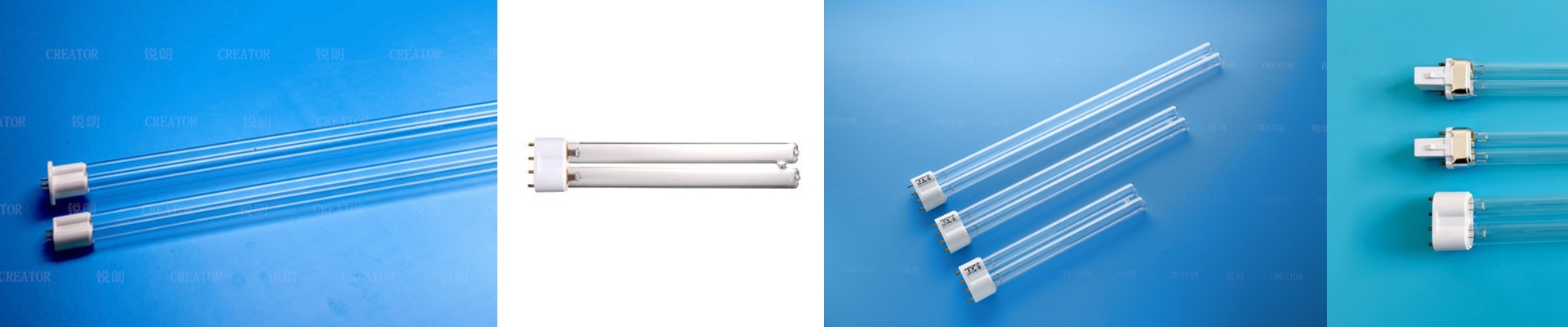
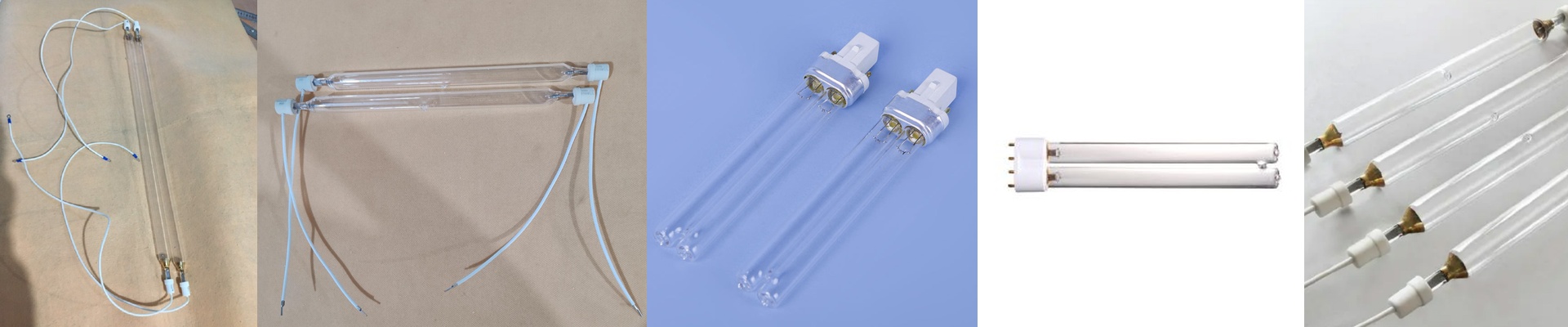
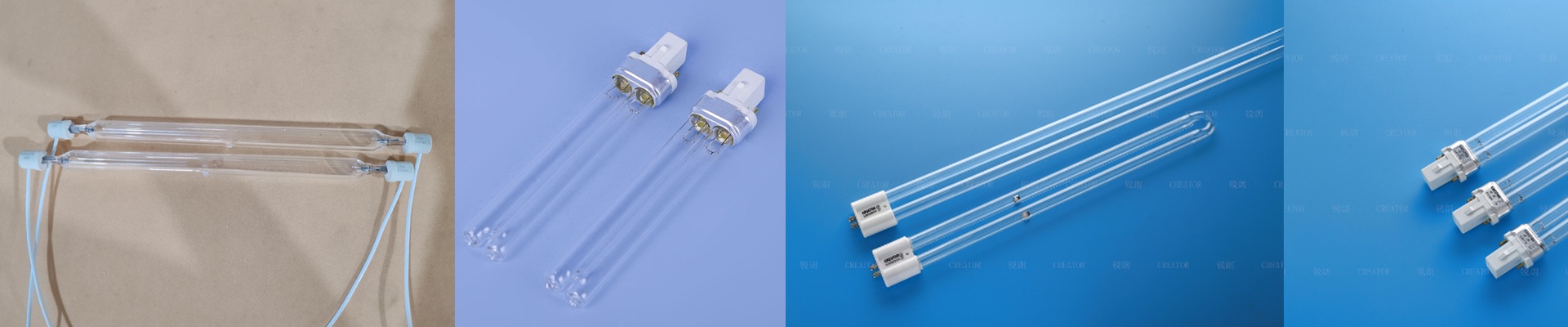
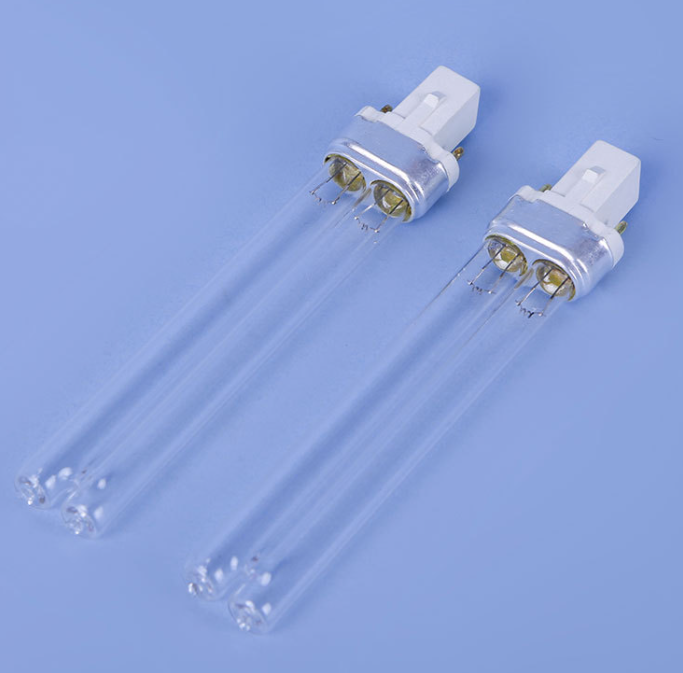
On the press floor, uptime and repeatability are what pay the bills. If the lamp can’t keep up, curing stalls, waste climbs, and a tight schedule turns into a headache fast. We built our gallium iodide UV lamps around one straightforward idea: OEM-level reliability, but at a volume price. That’s the heart of how we position ourselves globally—contract quality, wholesale pricing. What matters under the hood Gallium iodide doping pushes the spectral output toward 385–405 nm. That lines up with the photoinitiators in a lot of modern formulations and cuts down on unnecessary short-wave UV. The payoff is better cure depth uniformity and less heat load on the substrate. Pair that with a dichroic-coated reflector and peak irradiance stays stable across the arc length, so you get consistent mJ/cm² at the substrate. We specify output at defined lamp-to-substrate distances, so you can model cure energy with your spectral radiometer. Expect stable output over 5,000+ hours, with controlled end-of-life decay. And because the lamps are ozone-free, ventilation demands drop and you spend less time on maintenance. Why it fits the press you run Offset, flexo, screen, gravure—doesn’t matter. The lamp has to match the machine geometry and the ink system. Our gallium iodide units are engineered for specific curing zones: compact footprints for narrow-web flexo, high-power linear sources for wide-format screen, and tight spectral control where offset blankets need it. The result is straightforward: faster line speeds without scorching, consistent cross-linking across the sheet, and fewer rejects from surface tack. Energy use drops because the spectrum is aligned to the chemistry, not wasted as broadband heat. What you need to get right on install Installation has to match the reflector, connector, and cooling profile of the host press. Match lamp length, arc gap, and terminal orientation to the fixture—misalignment skews irradiance distribution and will shorten lamp life. Verify power supply compatibility, including ignition voltage and operating current, and confirm airflow so the quartz envelope stays within its rated temperature window. Push the lamp outside its specified duty cycle and output decay accelerates. When everything lines up, these lamps deliver repeatable curing with minimal intervention.