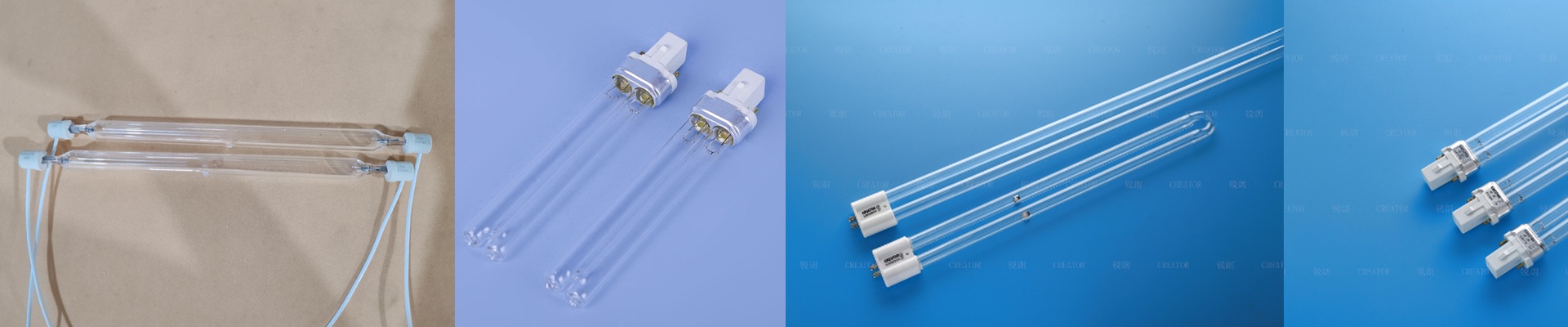
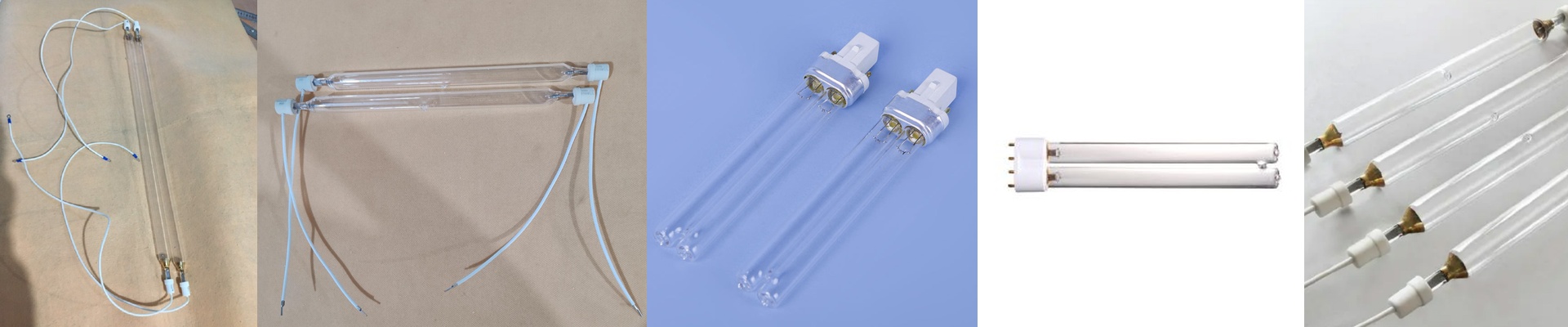
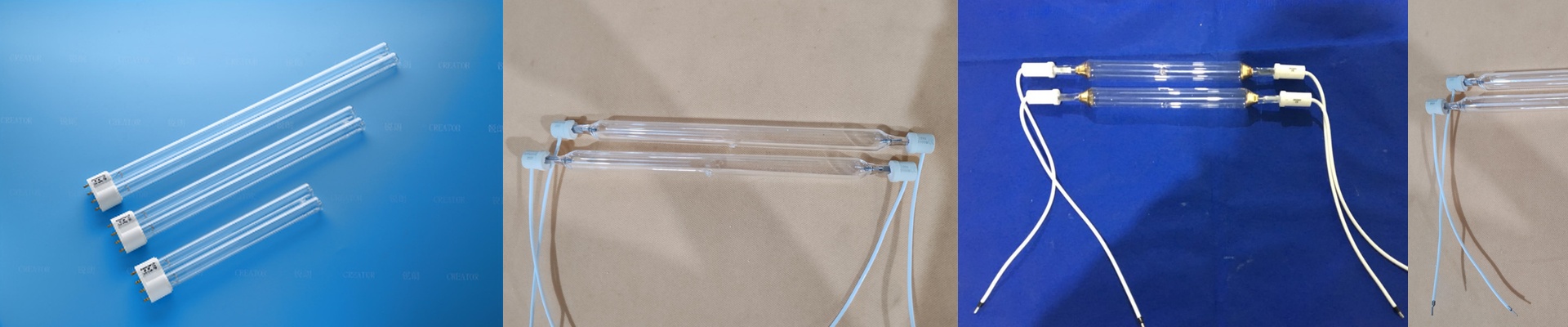
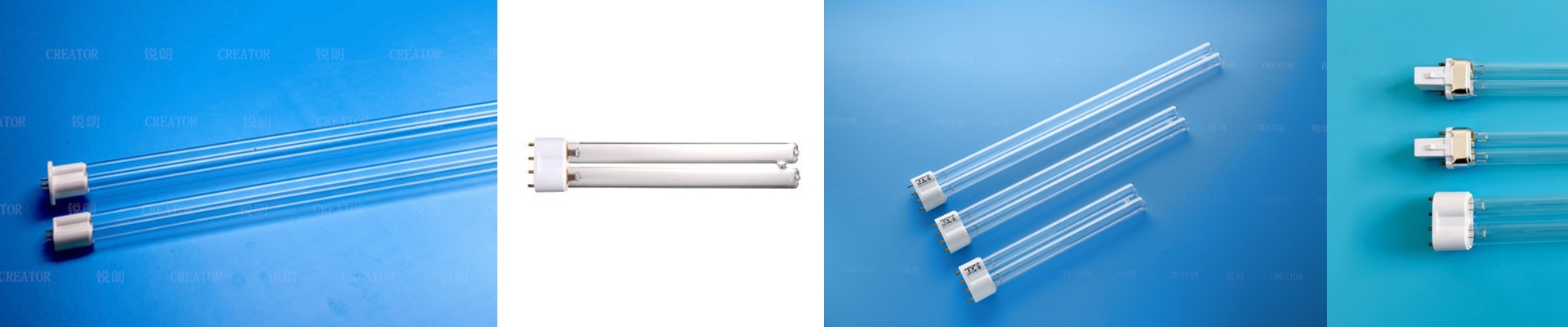
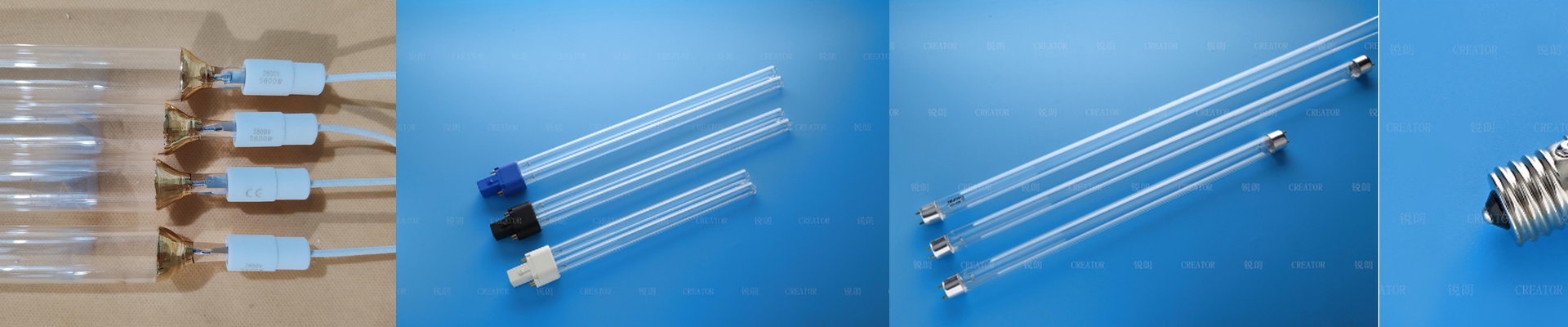
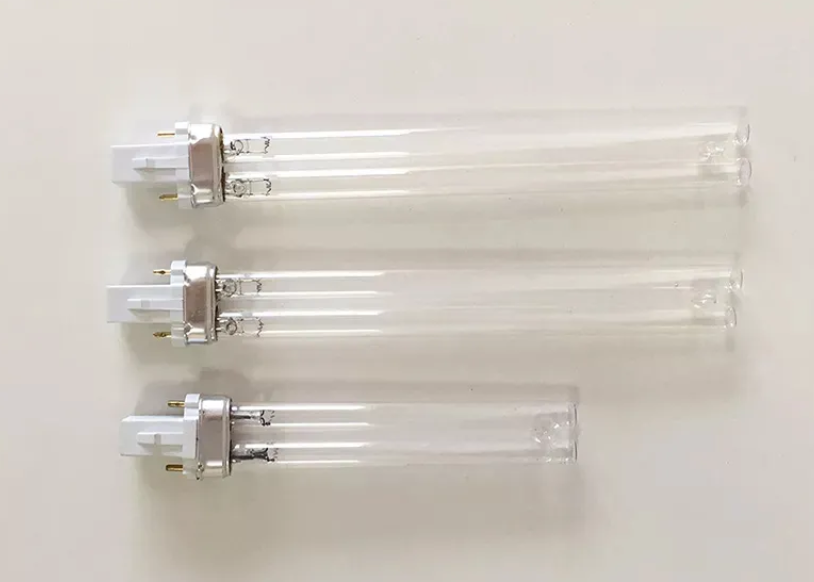
In airports and transit hubs, autonomous disinfection robots live and die by cycle time. If the UVC lamp takes too long to hit thermal equilibrium, each pass drags on — throughput drops, and you burn more energy for nothing. The fix is a lamp built to start fast and hold steady, high-output germicidal performance. What matters under the hood We run a gallium-doped UVC lamp, tuned to deliver a stable 254 nm line with high spectral purity — exactly where DNA/RNA absorption peaks. It’s a low-pressure mercury vapor design with instant ignition, so the warm-up wait that eats seconds on every cycle is gone. At 100 mm, peak irradiance hits up to 150 mW/cm². That translates to lethal dose faster than conventional medium-pressure lamps, whose broad spectra throw energy outside the germicidal band. We size power density so the lamp keeps delivering the target dose even when the robot is moving, and the ozone-free quartz envelope keeps indoor air clean. Why this plays in robotics Autonomous runs only work when timing is predictable. Fast start means shorter dwell, so each route finishes quicker without giving up kill efficacy. Smart power control adjusts intensity to surface distance and ambient conditions, holding consistent dose across the messy geometry of public spaces. You end up with more throughput per battery charge, fewer lamp swaps, and a lower operating cost per square meter. The shop-floor details you can’t skip This lamp is picky about positioning and reflector alignment — if reflector tolerance drifts beyond ±1 mm, you can measure the output variance. Make sure the robot’s ballast matches the lamp’s ignition profile and current rating. For sustained output, keep the quartz sleeve clean and free of films from airborne residues, and keep the optical path clear.