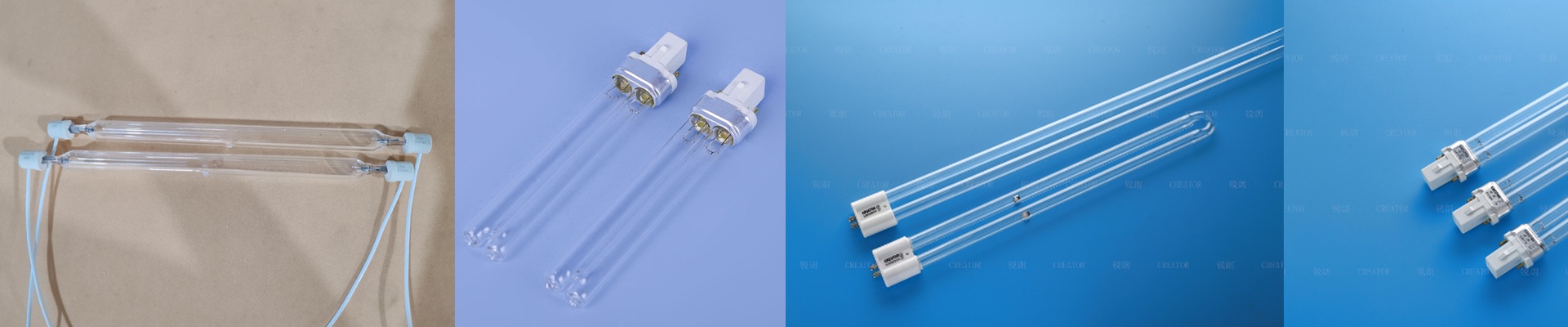
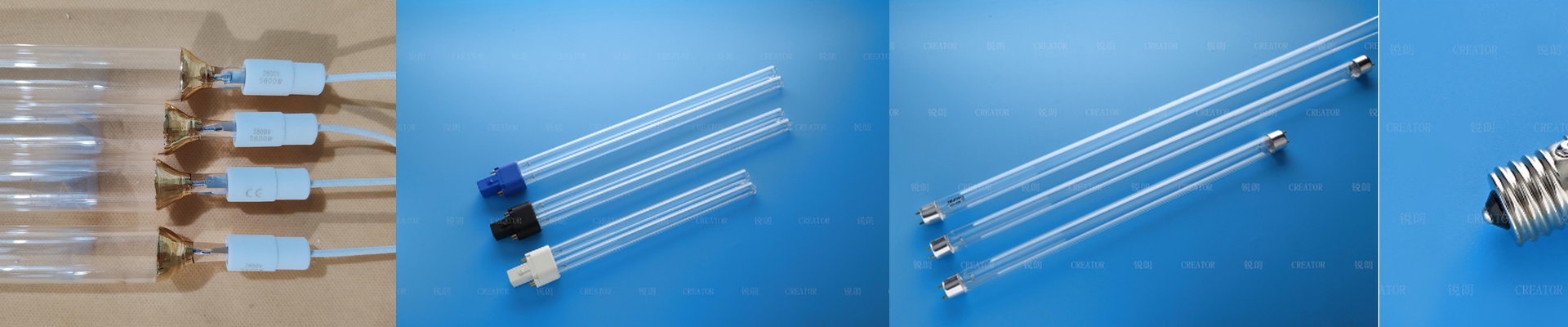
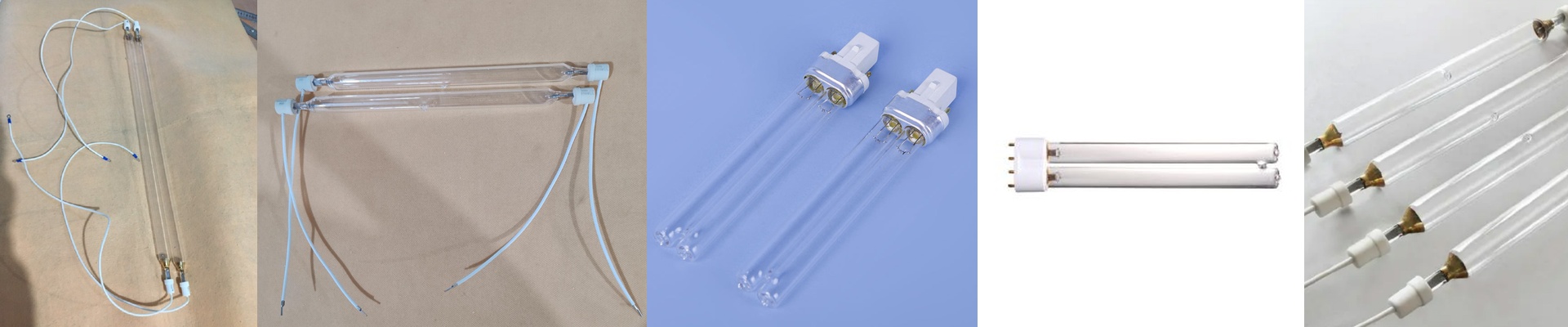
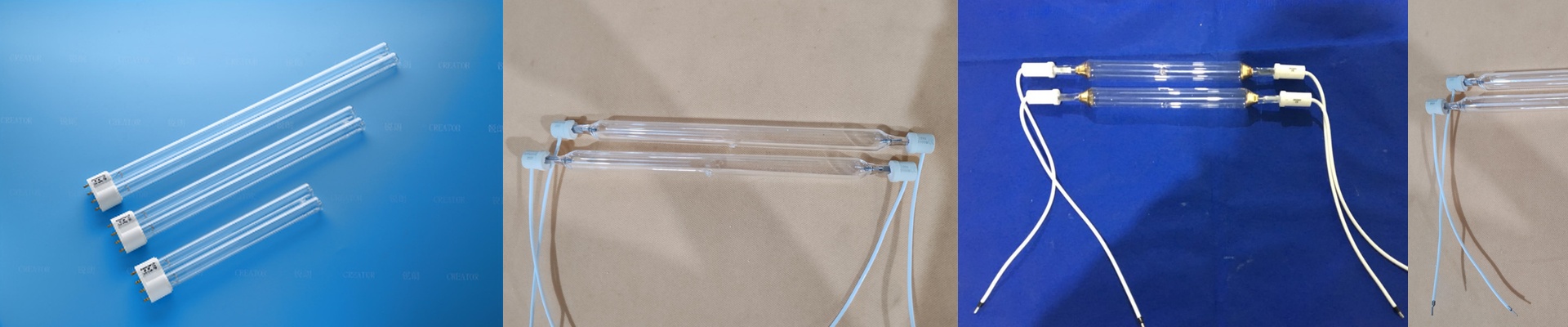
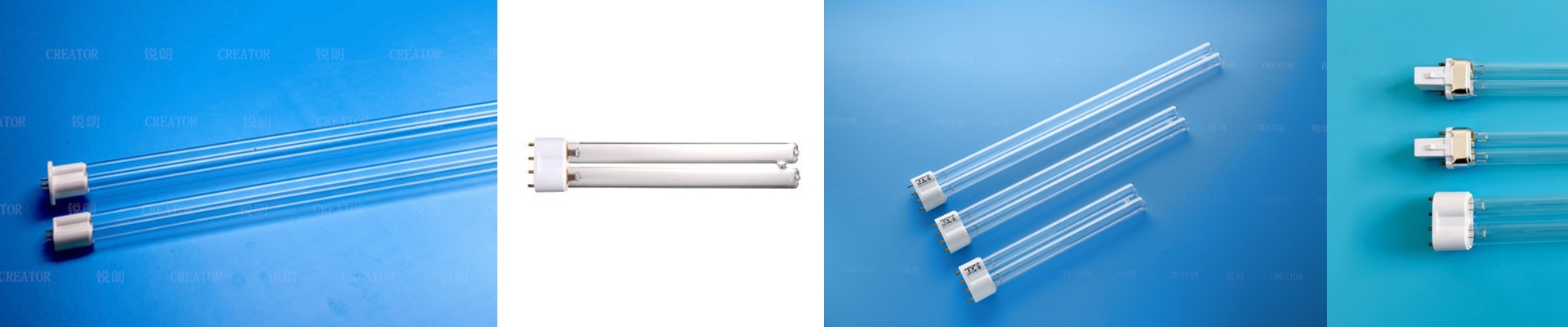
On the floor, e-commerce glass orders pile up—today’s trend, tomorrow’s shipment. If your UV cure can’t keep up, the line stops, ink stays tacky, and the whole flexible chain wobbles. We built our top-selling gallium iodide lamp to turn that pressure into repeatable output. What matters, technically Gallium iodide doping pushes the dominant output toward 405 nm, aligning with the photoinitiators in glass-print UV inks. You get surface cure and through-cure without cooking the substrate. Peak irradiance hits 12 W/cm² in a focused line profile, so you can reach the required energy density—typically 600–1200 mJ/cm²—at higher press speeds. The quartz arc tube and dichroic-coated reflector keep spectral output stable, limiting the drop you usually see after 1,000–1,500 hours on standard mercury lamps. Expect 3,000+ hours at stable output, with a consistent dose per pass. Why it works in this environment Flexible supply means short runs, fast changeovers, and no give on adhesion or cure depth. This lamp tightens the cure window, so thin glass and coated substrates can go straight to stacking and downstream finishing right after printing. Cycle times come down, under-cure rejects drop, and lamp changeovers cost less downtime. Energy draw stays under control, and the ozone-free design cuts ventilation load. Here are the practical details Match the spectral output to the ink chemistry—405 nm fits many glass-print formulations, but verify the photoinitiator absorption. Check reflector alignment and cooling airflow; under-cooling shortens lamp life and broadens the line profile. Tie it into your shutter and PLC interlock to keep arc stability steady and protect operators. Just know the peak intensity at 365 nm is a bit lower than with mercury. Use this lamp where the ink chemistry and print speed are tuned for that 405 nm peak.