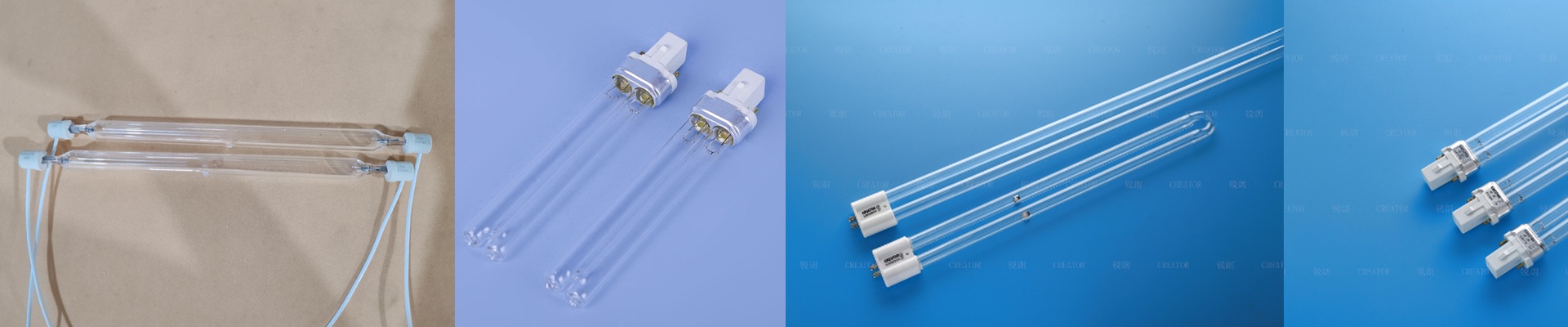
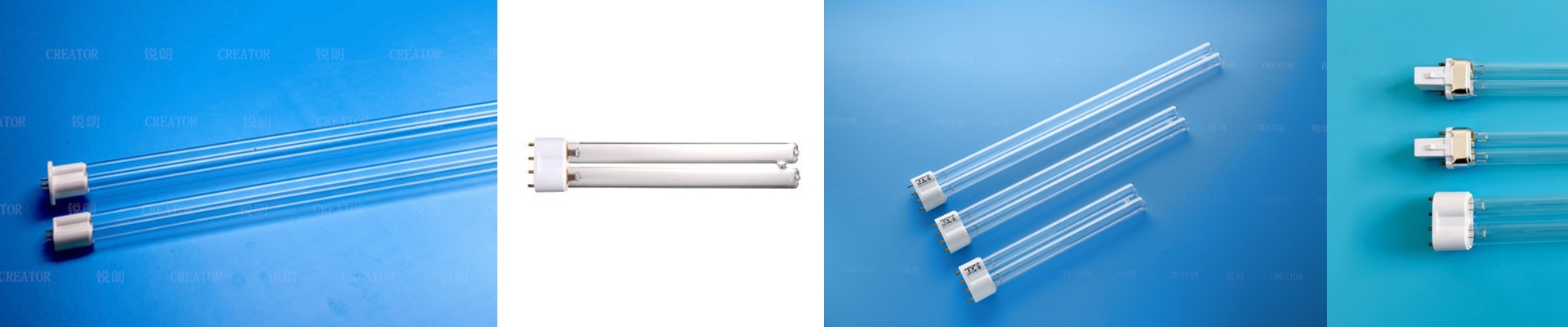
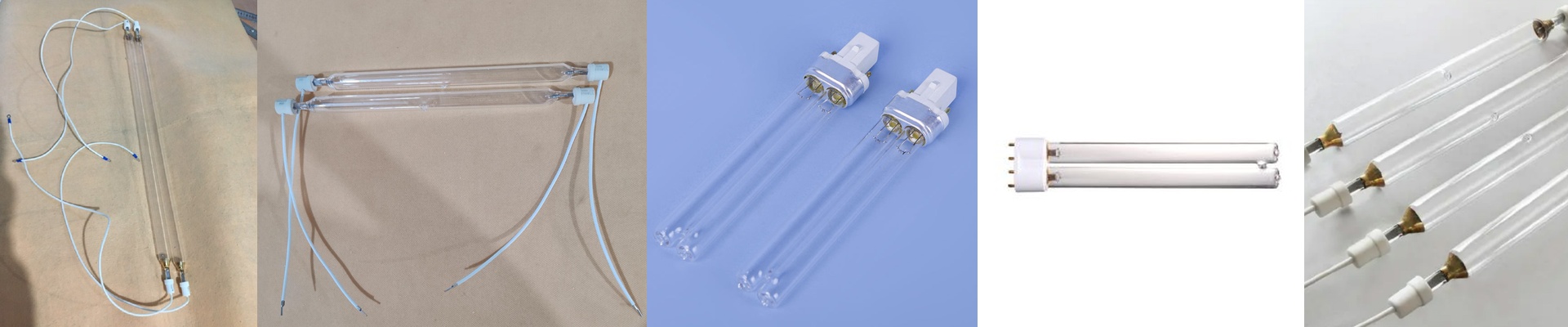
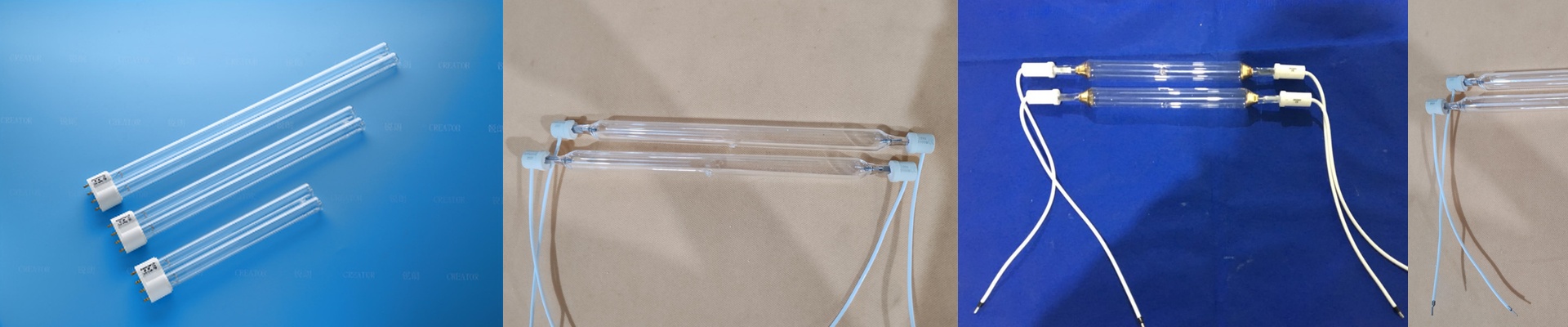
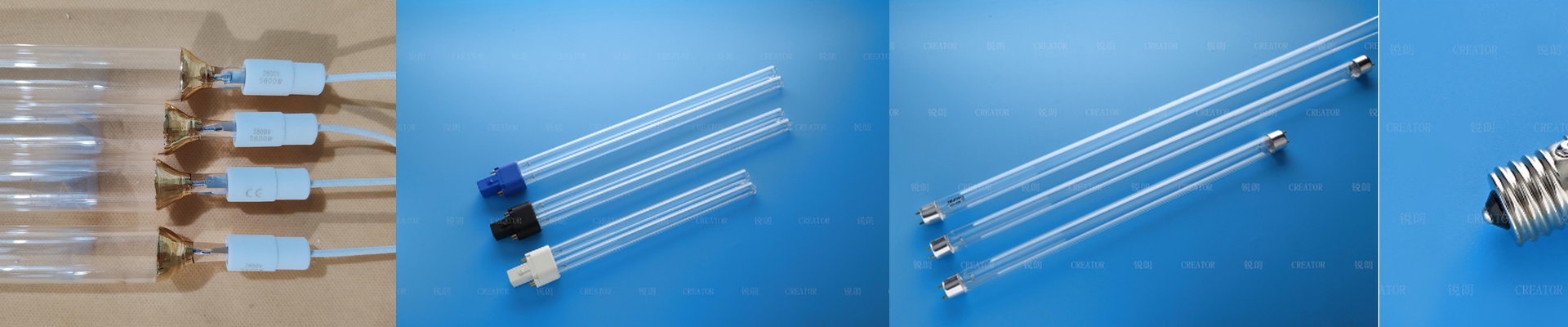
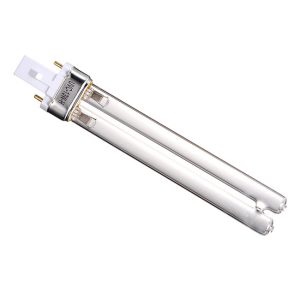
On an Anatol flash-drying line, downtime isn’t abstract—it’s substrate going in the trash and schedules slipping. Swapping a lamp shouldn’t force you to rewire the fixture, and it definitely shouldn’t leave you short on irradiance. So we built a deep UVC germicidal lamp as a true direct-fit replacement: same wiring, same connectors, same geometry. The upgrade is purely mechanical. What matters under the hood We anchored the lamp on a stable deep UVC source with a tight spectral output centered at 254nm, giving you the photon flux needed for microbial inactivation. A high-reflectivity dichroic reflector and a stable quartz envelope keep peak irradiance consistent across the arc length—fewer hot spots, fewer cold zones. Start-up is instant, with no warm-up sag, and the driver holds output across the entire duty cycle. Expected end-of-life is over 9,000 hours, and output stays flat enough that your process windows stay predictable. Why it fits an Anatol flash-drying setup Anatol systems lock the form factor and interface. Our lamp matches the original dimensions, mounting points, and electrical connection, so installation is straightforward—no cutting wires, no rework on the power supply. The stable UVC output gives repeatable exposure, which reduces variability in dwell and helps you keep cycle times tight. Fewer lamp changes mean fewer stoppages, and the power draw stays steady, so energy use stays predictable. A few shop-floor details to double-check Because it’s a direct-fit, confirm the reflector geometry and cooling airflow haven’t been changed. If those are off, you’ll lose peak irradiance and temperature control. Match the existing connector type and polarity, and make sure the fixture can handle the same ozone-free operation. Handle the lamp with clean gloves, and keep finger oils off the quartz—oil residue can create hot spots that degrade output.