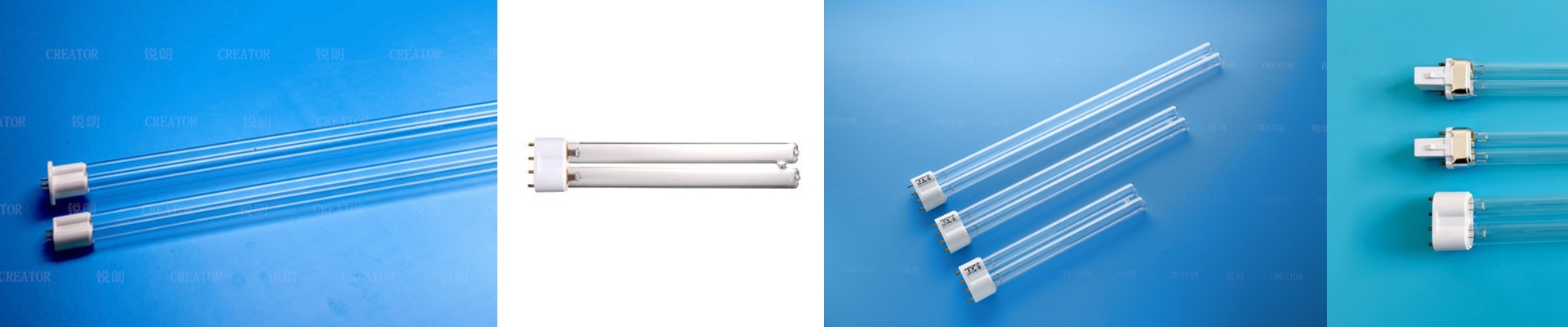
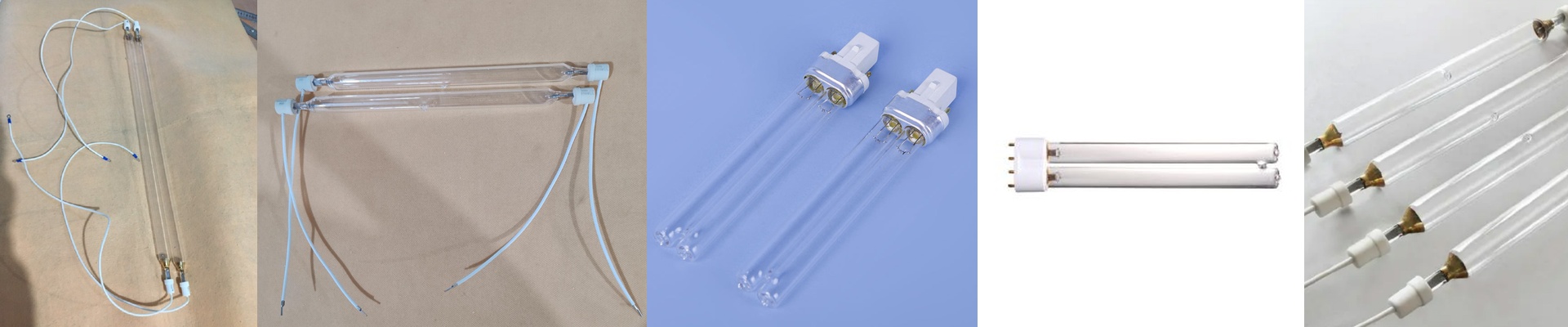
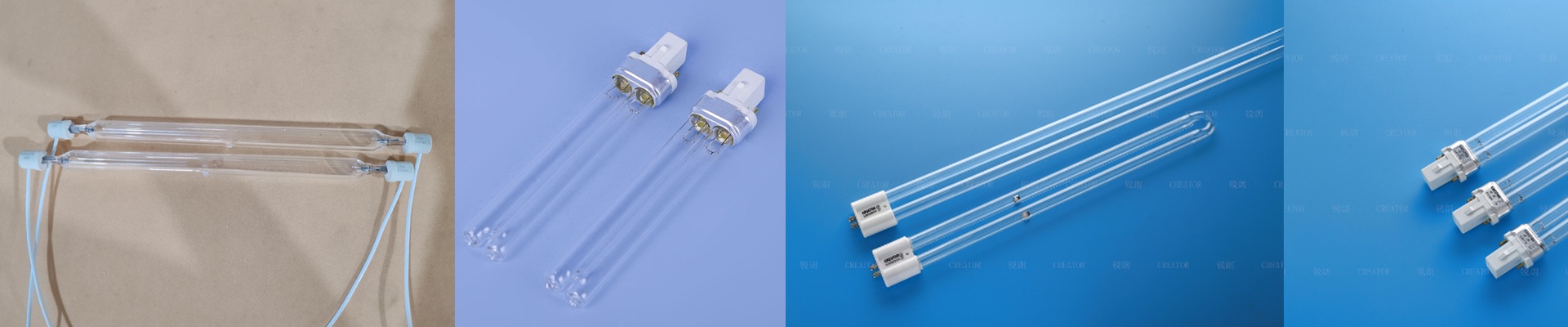
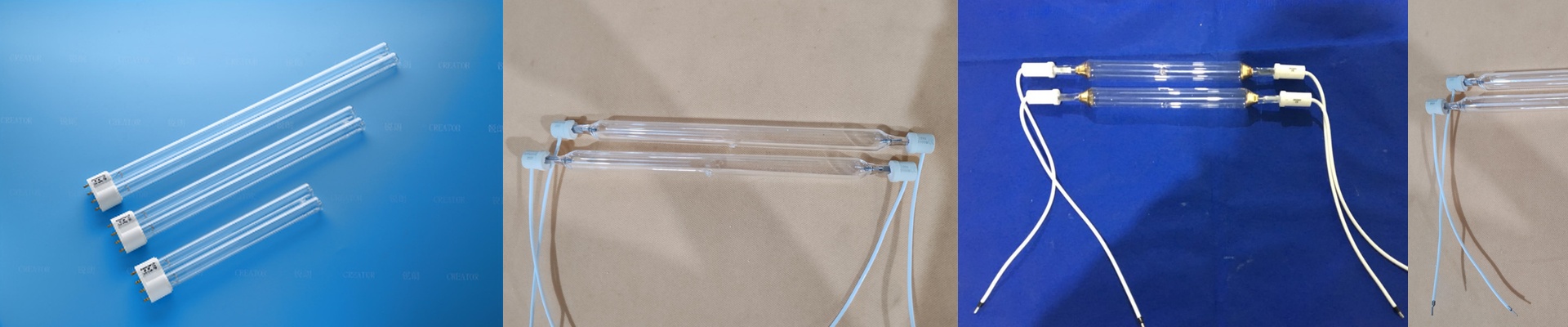
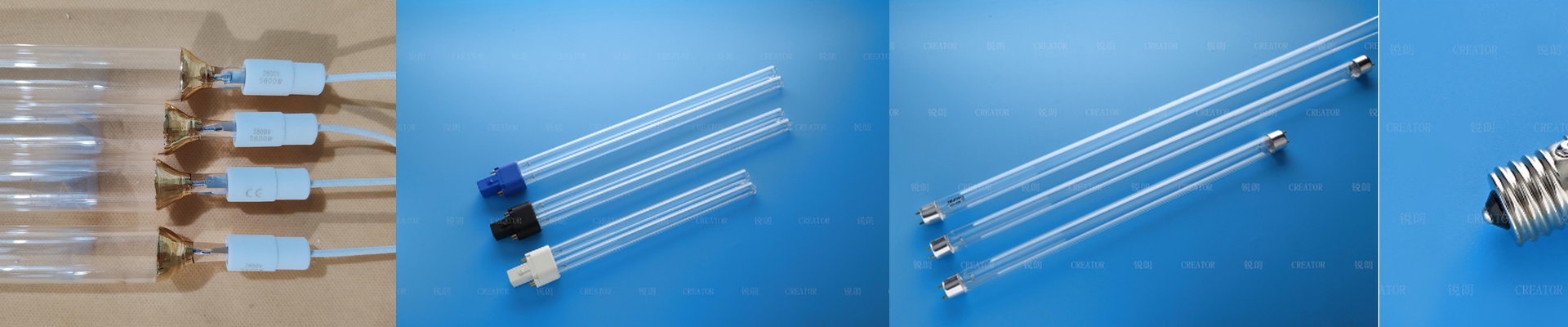
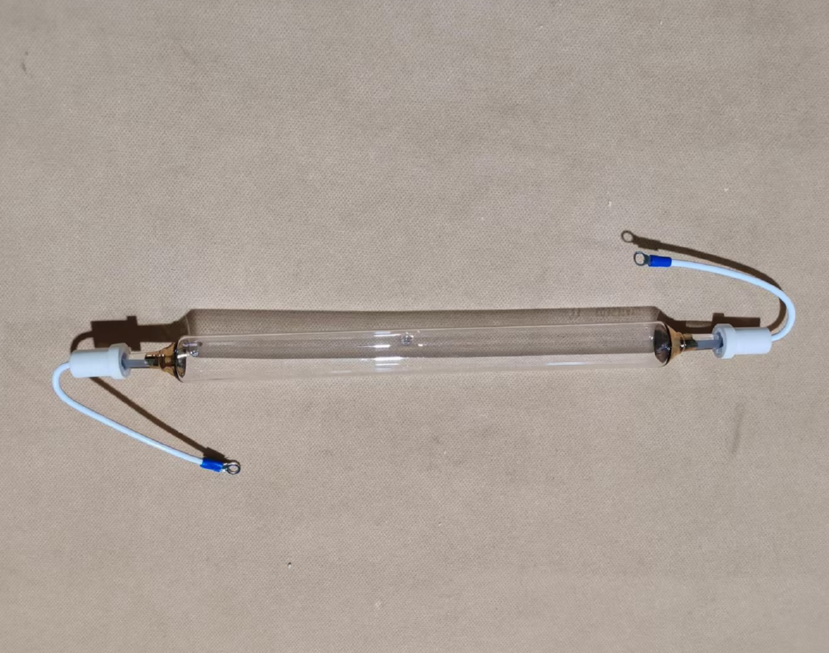
In air purification, you can’t fake the fundamentals—cross-contamination has to be stopped, period. Standard filters grab particles, sure, but they don’t kill viruses and bacteria. If the microbes aren’t inactivated, you’re just pushing biohazards back into the airflow. That’s why UVC germicidal lamps are the backbone of the approach—they deliver the photon dose needed to break microbial DNA and RNA, cutting the infection chain right where it starts. What actually matters in the field is spectral output and dose stability. We build the lamps around a primary germicidal wavelength at 254nm, because that’s where nucleic acids absorb most efficiently for clean photolysis. Peak irradiance stays within tight tolerances, and the quartz envelope paired with a stable electrode design gives long life with minimal output decay. Over 8,000 hours, typical output drop stays under 8%, so your disinfection performance doesn’t drift over time. In air purification units, consistent UVC intensity is what makes continuous in-duct sterilization work—predictable log reduction, shift after shift. You get faster air turnover without adding chemicals, operating costs come down, and you see fewer service interruptions. The lamps hold spectral consistency across the arc length, so the entire airflow path gets uniform germicidal energy. No hot spots, no dead zones. A couple of shop-floor realities: UVC exposure is hazardous. Integrated safety shielding and interlocks are mandatory, and reflector alignment directly affects dose uniformity. Our lamps are designed for ozone-free operation in compatible chambers, but you still need to verify electrical compatibility with your driver and ensure adequate airflow for thermal management. Get the installation right, and you protect operators while keeping lamp output stable through the full service interval.