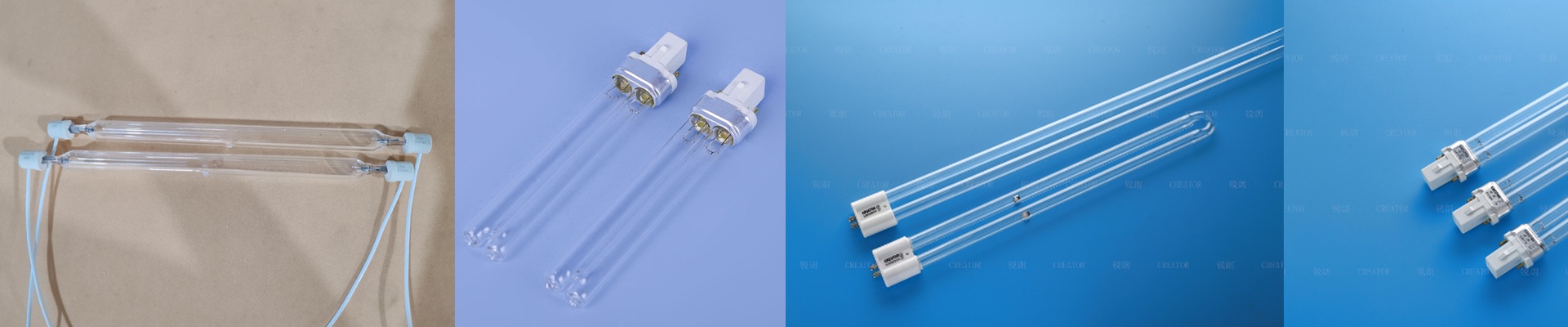
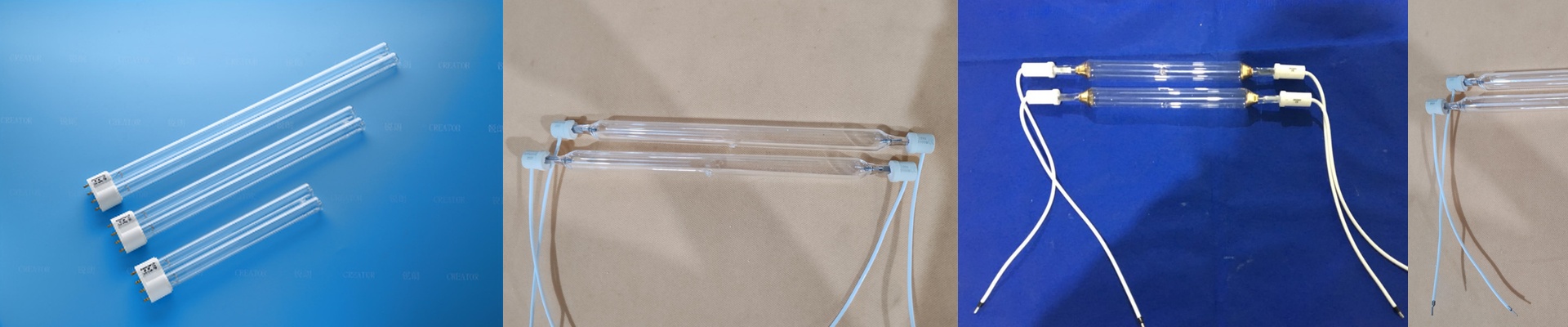
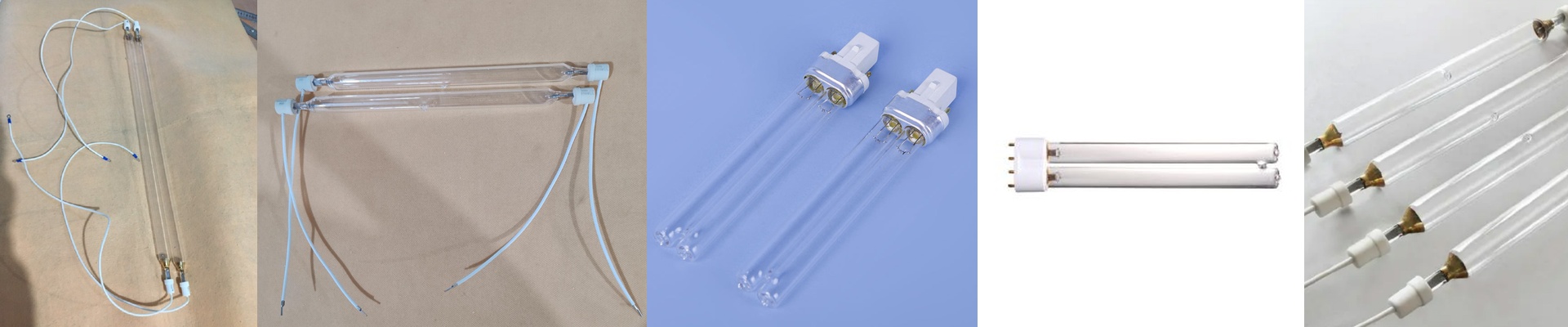
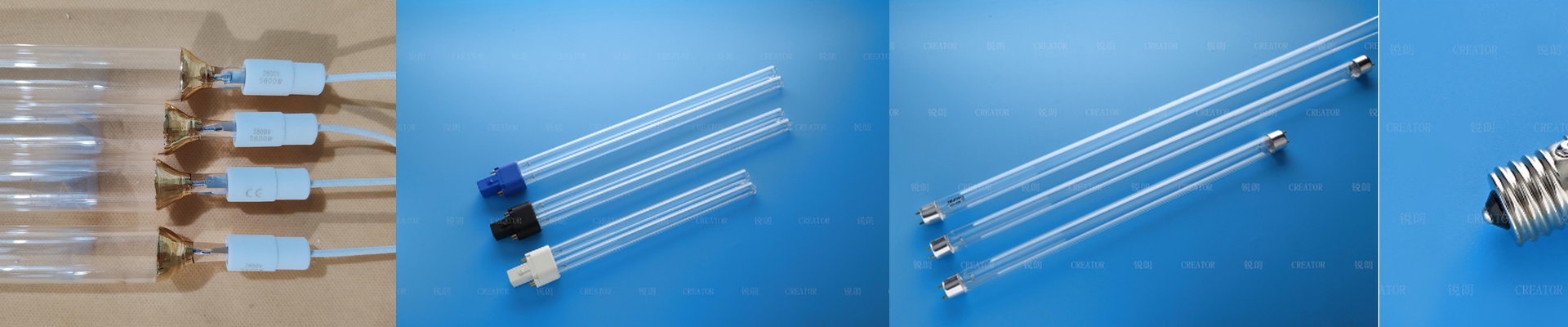
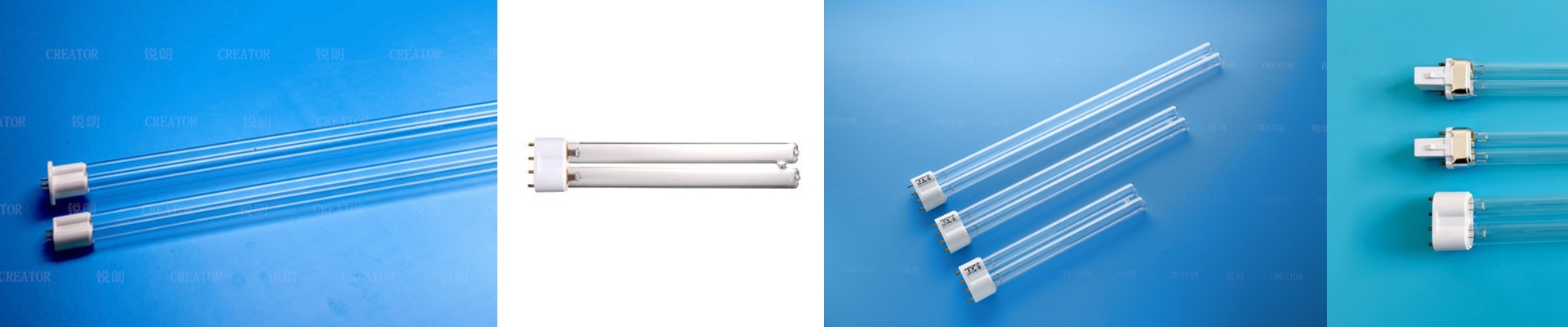
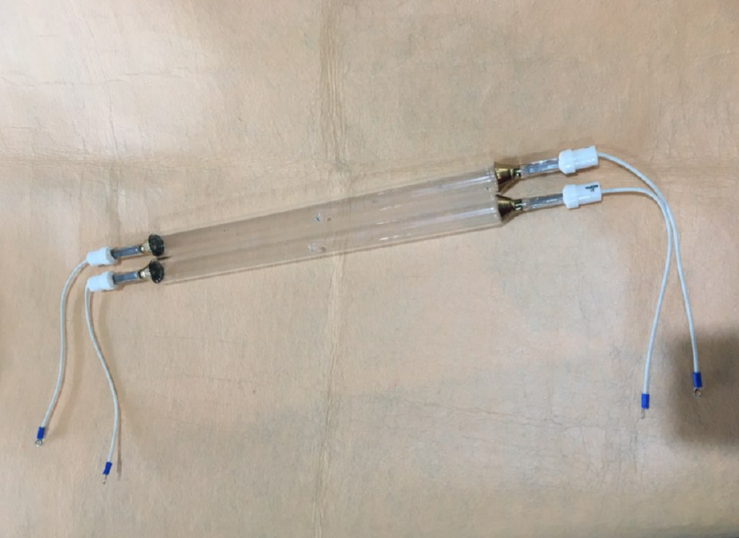
Uneven ink drying is a direct hit to yield, and it almost always traces back to the UV lamp—how the heat and spectrum are spread across the platform. If the UV energy isn’t uniform, cross-linking gets spotty, and the parts come back as scrap. Our UV curing lamp for fly tying is built to fix that by delivering repeatable, even cure and pushing first-pass yield up. Here’s what matters on the bench: the lamp has to hold spectral output and irradiance steady, shift after shift. We spec a high-pressure mercury vapor lamp with a tailored spectral profile centered on 365 nm, matched to the UV inks and adhesives most fly tying setups run. Peak irradiance at the work surface is engineered to exceed 1,200 mW/cm²—enough photon flux to kick photoinitiators fast and finish the cross-linking cleanly. The reflector uses a dichroic coating to shape the spectral band, cut IR heat load, and keep the energy profile flat across the cure zone. Output stays stable with a low-decay arc tube design—less than 5% drop after 5,000 hours—and the lamp is ozone-free so you’re not fighting fumes. Uniformity is the whole game. When the cure is consistent, the yield is consistent. The system drops into compact curing stations and printing platforms used for fly tying materials, letting you run faster cycles without giving up adhesion or finish. Energy use falls because the reflector and spectral control put the power where it’s needed, not into waste heat. And with long life and low decay, you replace lamps less often—less downtime, less maintenance labor. One practical note: reflector geometry and lamp position define the energy density map, so set the standoff and scan speed as specified. Confirm compatibility with your fixture voltage, connector, and thermal management. Then measure cure with a spectral radiometer to verify you’re hitting the required mJ/cm² at the substrate surface. We design for the shop floor, not for show. If your process needs stable, repeatable UV curing, this lamp gives you numbers you can measure.