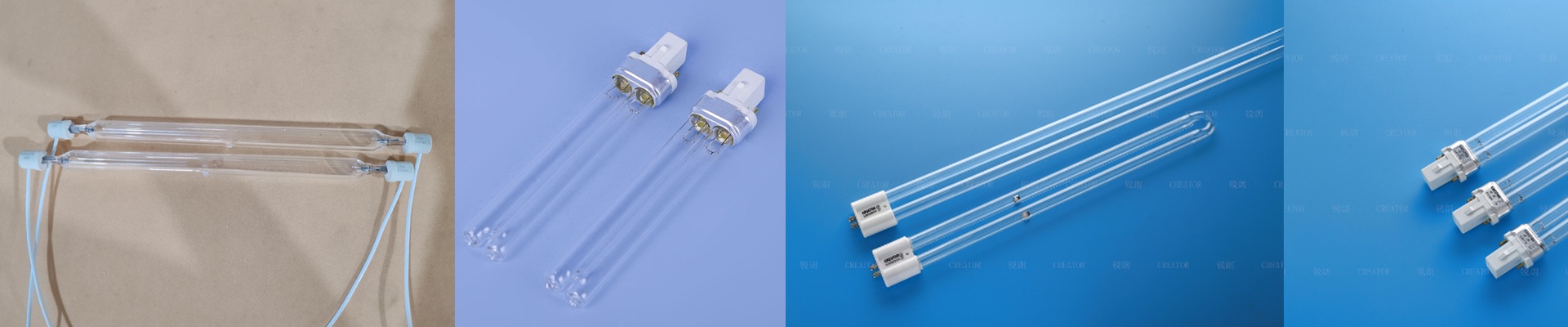
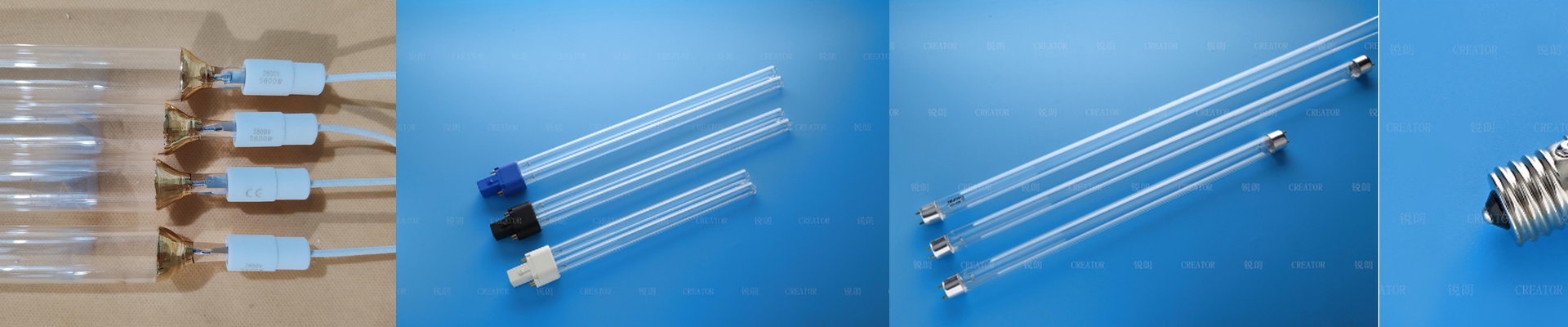
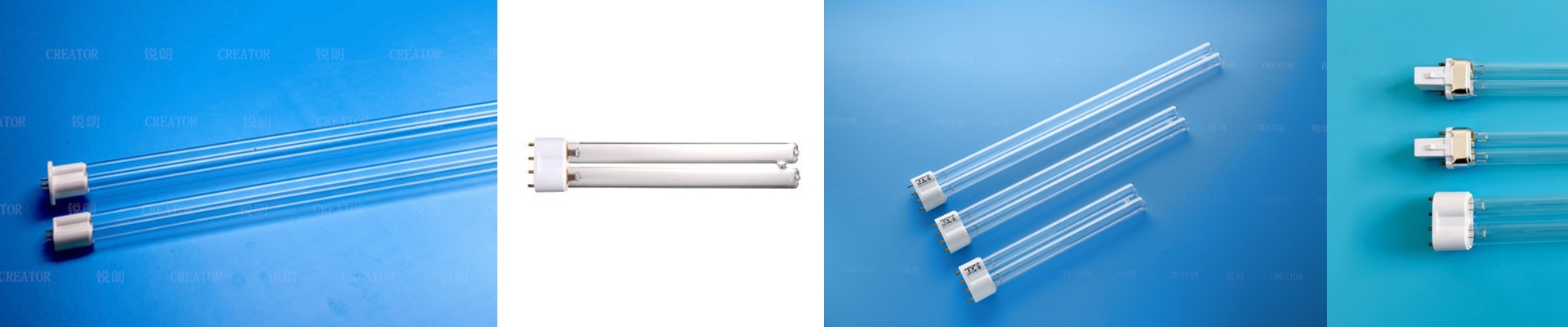
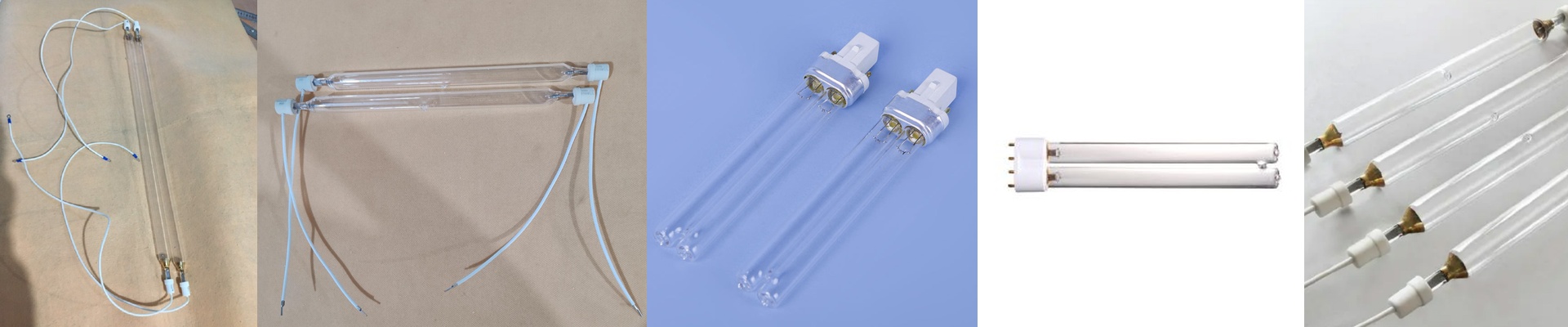
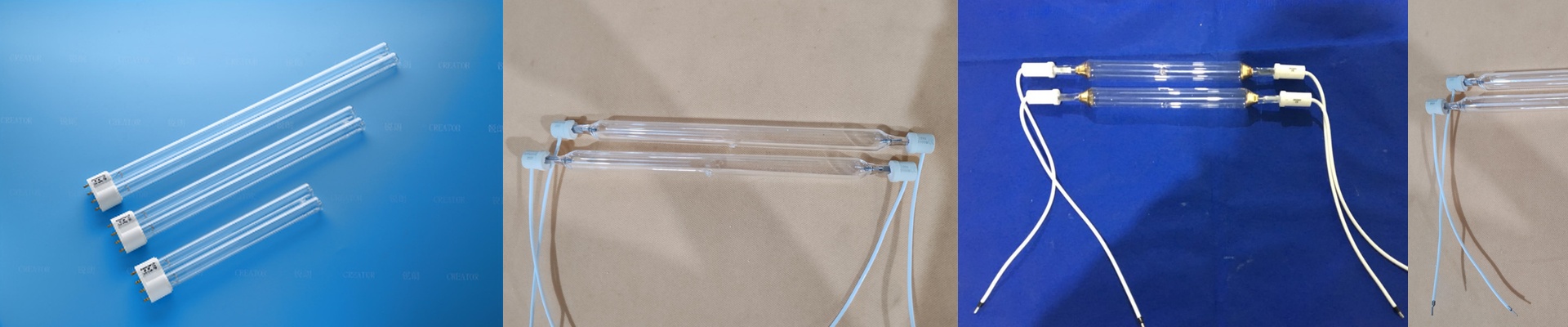
On the press floor, heat-sensitive fabrics don’t just balk at excess energy—they warp, shrink, and lose their hand. Standard mercury vapor UV systems push surface temperature high enough to distort knits and synthetics, and then you pay for it in rework. We built our cold-source UV curing lamps to cure UV inks while keeping the substrate thermally neutral. What matters under the hood We run a filtered, low-IR spectral output that targets photoinitiator activation in the 365–395 nm band while cutting infrared hard. Peak irradiance is tuned to deliver the required energy density (mJ/cm²) for cross-linking without thermal runaway, and the reflector/dichroic assembly is set up for narrow-band delivery and uniformity across the print width. The payoff is curing speed without hot spots. Units routinely hit 5,000+ hours with under 5% output decay, and ozone-free operation makes ventilation planning simpler. Why it sticks in textile work On textile screen and flexo lines printing polyester, Lycra, nylon, and coated synthetics, the lamp keeps fabric temperature low enough to preserve stretch and dimensional stability. You can run faster curing cycles without dropping line speed to “protect the fabric,” and you get consistent cure depth edge to edge—so colors sit flat and the ink film cures through, not just on top. Energy draw is lower than broad-spectrum mercury systems, and lamp replacement intervals are stretched out, which cuts downtime. The practical details Compatibility comes down to the press architecture. We match lamp length, arc gap, and electrical interface to specific platforms—offset, flexo, screen, and other industrial printing lines—so integration is straightforward, but it’s not plug-and-play on every legacy hood. Before you finalize the selection, confirm reflector geometry, cooling airflow, and power connections against your existing curing station.