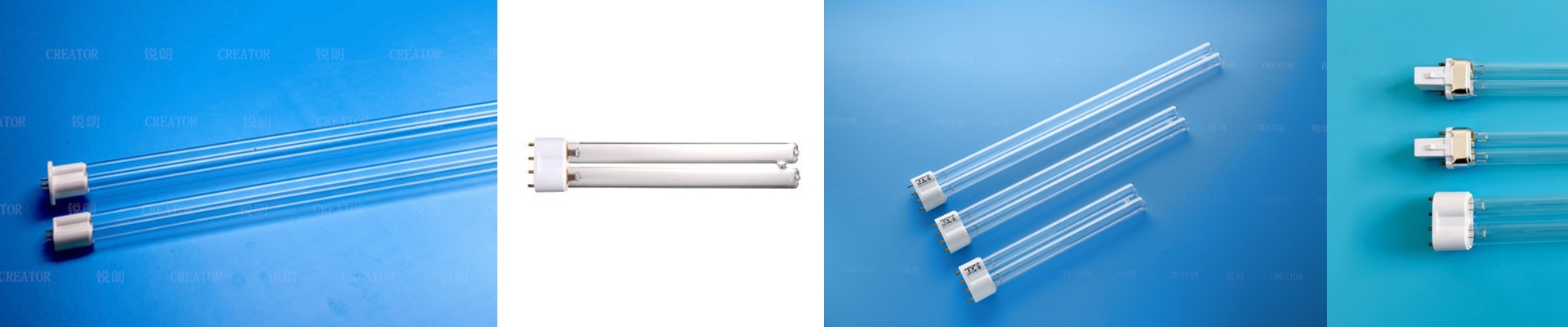
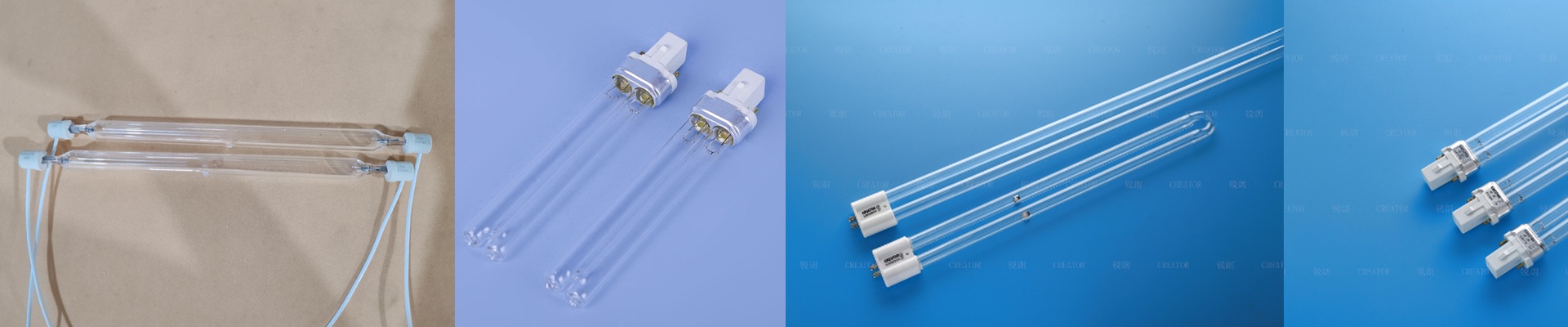
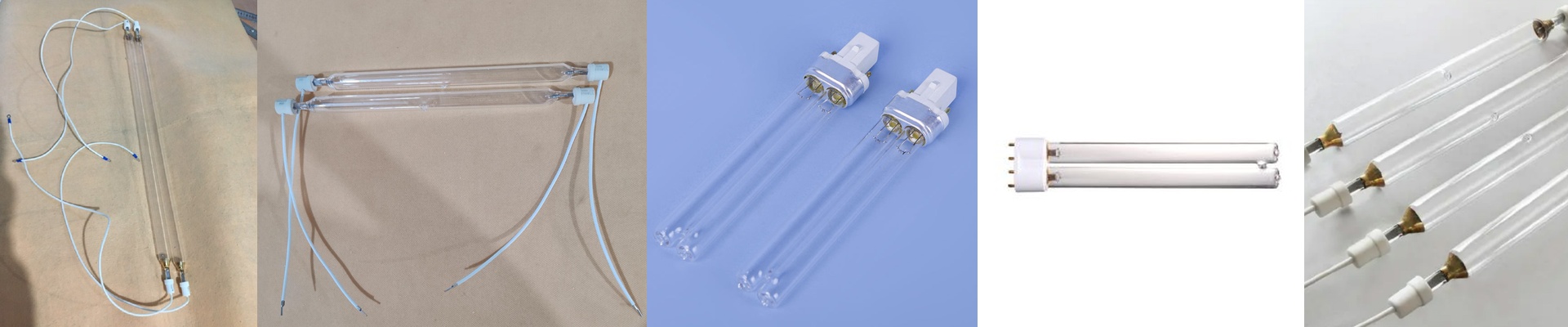
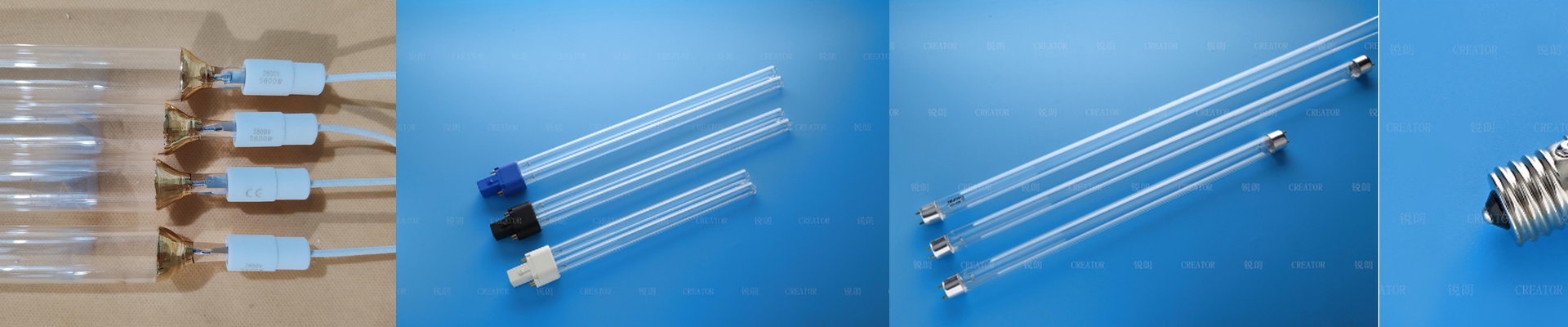
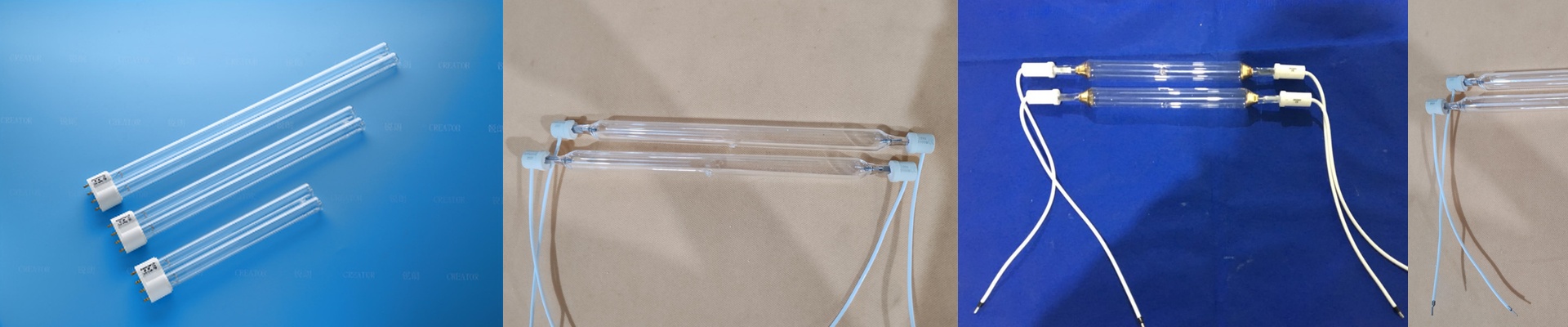
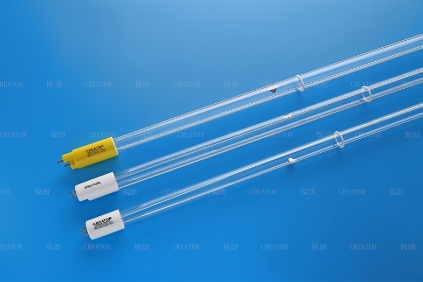
On a flexo label press, you know the drill. Blur and halation start as a slight edge spread, then they turn into rework and scrap. Nine times out of ten, it comes down to inconsistent UV exposure: spectral output drift, uneven peak irradiance, and a reflector that just isn’t laying down a uniform dose across the print repeat anymore. When the lamp is underperforming, the photoinitiator response gets spotty, and dot gain follows. What actually matters under the hood We build our replacement gallium lamp around a stable 365nm spectral output, matched to the absorption of standard photoinitiators so you get a fast surface cure and clean through-cure. Peak irradiance is engineered to deliver repeatable energy density on the substrate, so cross-linking stays consistent from print to print. Arc length and reflector geometry are aligned to keep dose uniform across the full width, cutting out hot spots and weak zones that show up as mottle and weak adhesion. The whole design is aimed at output stability: we spec lamps that hold tight spectral consistency over their life, so your curing window doesn’t drift as the lamp ages. Here is why it plays well in label flexo. You need a UV system that behaves the same at 10:00 a.m. and 6:00 p.m. The 365nm gallium profile gives you predictable cure on coated papers, films, and foils—without the variability that shows up as blur and halation. You can run at higher line speeds because the dose is repeatable, and color shift from uneven curing drops off. Stable output also means you don’t have to chase settings after lamp changes, so setup time and scrap take a hit. A few practical details. Match the lamp to the reflector and the power supply. If the reflector coating is mismatched, spectral distribution shifts and uniformity goes sideways. Verify connector type, arc length, and rated voltage for your press model, and make sure the shutter cycle count is within the lamp’s rated starts. Expect a bit longer warm-up to full output than you’d get with a standard mercury lamp; plan your job changeovers around that.