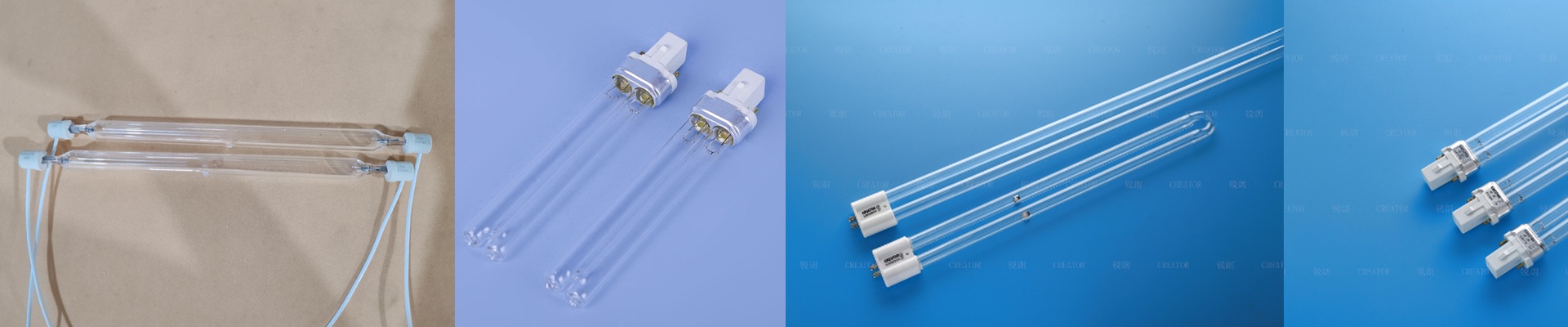
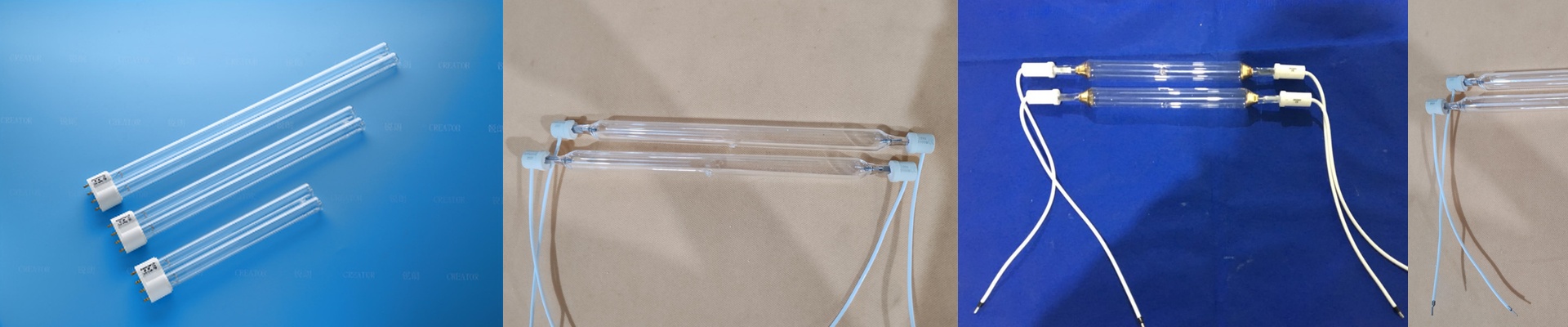
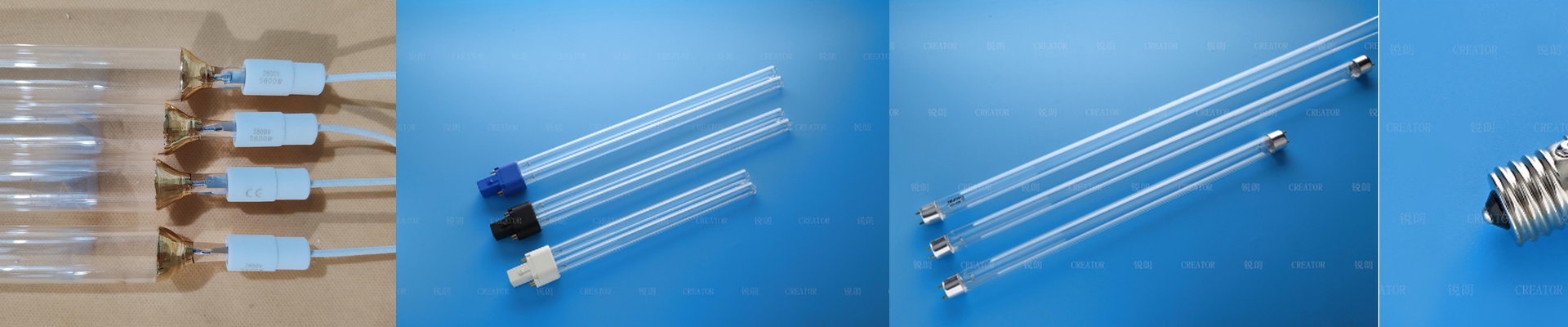
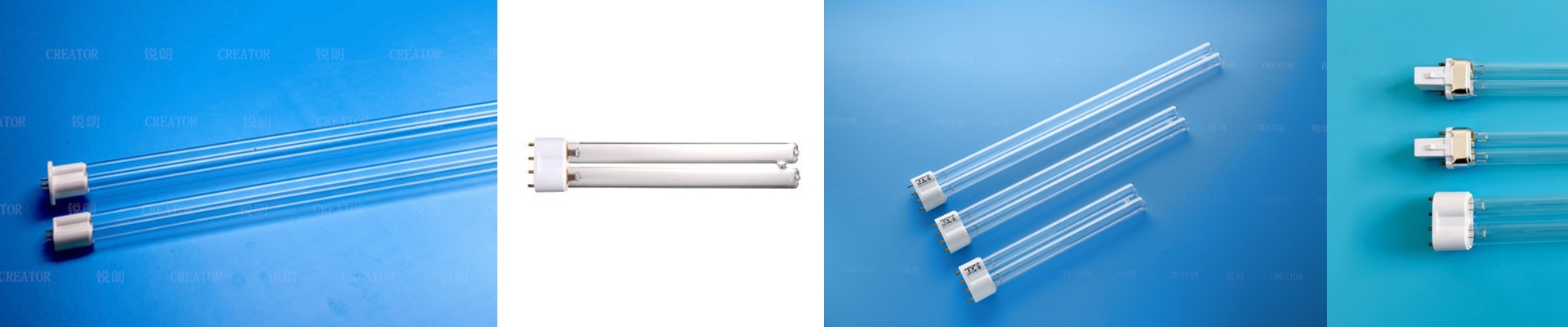
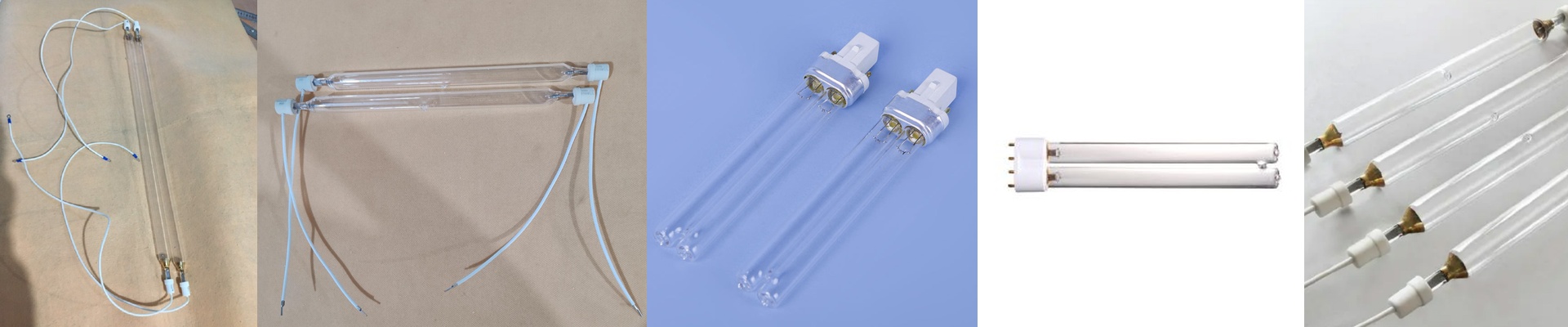
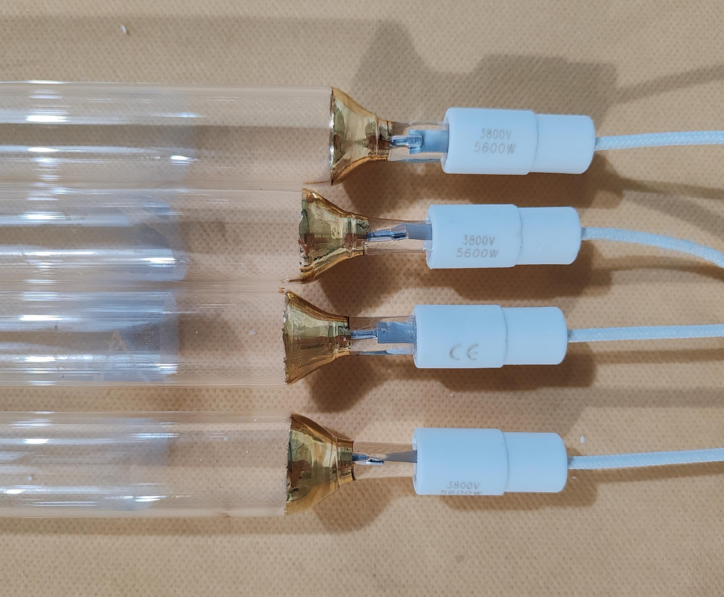
On the press floor, you learn to read the lamp the second it strikes. That initial glow tells you more than any spec sheet ever could. A cool, bluish-white means you’re looking at a high-pressure mercury vapor mix with a lot of short-wave energy—and a high chance of ozone generation. A warmer, near-pure white tells you the fill is engineered to be ozone-free, tuned for the 200–280 nm germicidal band without creating the byproducts that cause headaches. That quick visual check is your first line of defense against a lamp that was built wrong. What matters, under the hood An ozone-free UV germicidal lamp makes that happen by swapping out the standard air fill for a controlled gas mix—often nitrogen or other inert gases—and using specialized quartz envelopes. The result shifts the spectral output and kills the 185 nm line that makes ozone. For curing work, that same design keeps a stable profile at 365 nm and 385 nm, so photoinitiators get activated deep, not just at the surface. You should see peak irradiance above 1,200 mW/cm² at the arc center, with energy density that stays consistent across the substrate. Why this matters on the line In industrial printing and coating lines, the lamp has to drive instant cross-linking without letting surface oxygen inhibition win. The ozone-free formulation gives you the deep-penetration profile you need, so thick ink layers cure all the way through—without beating up the substrate. That translates into faster line speeds, fewer rejects from uncured residue, and a cleaner environment that meets EHS requirements without adding scrubbers or ventilation overhead. What you need to watch These lamps are fussy about reflector alignment and power stability. If the reflector’s dichroic coating is mismatched, the effective wavelength shifts, and you lose curing depth. And that warm-white color isn’t cosmetic—it’s a direct indicator of the internal gas mix. If the lamp starts shifting back toward cool-blue during operation, you’re seeing end-of-life or fill contamination. Schedule replacements based on spectral radiometer readings, not hours alone.