Let’s Talk About Light Energy
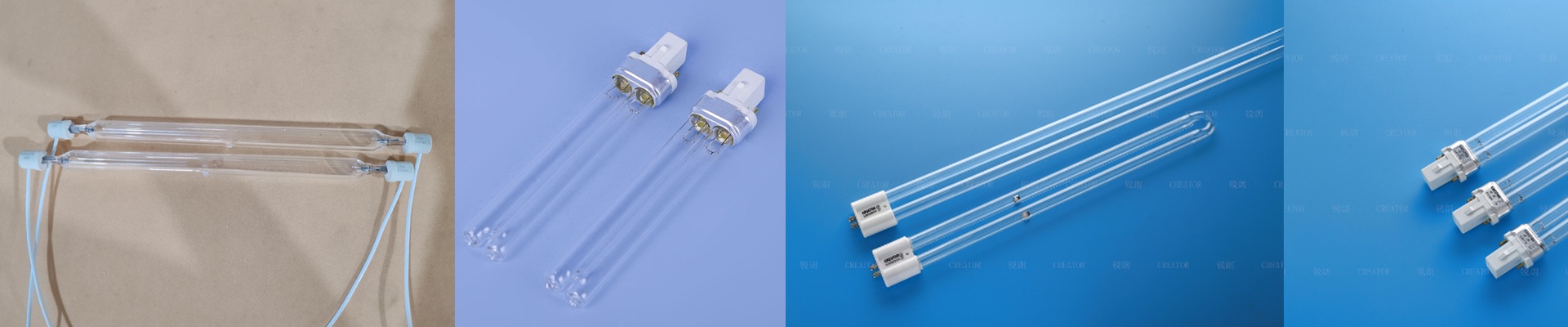
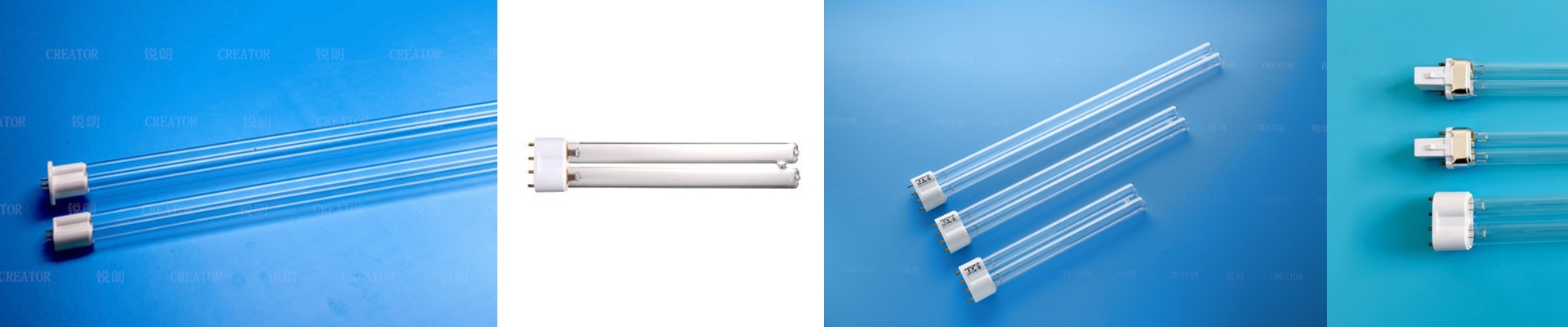
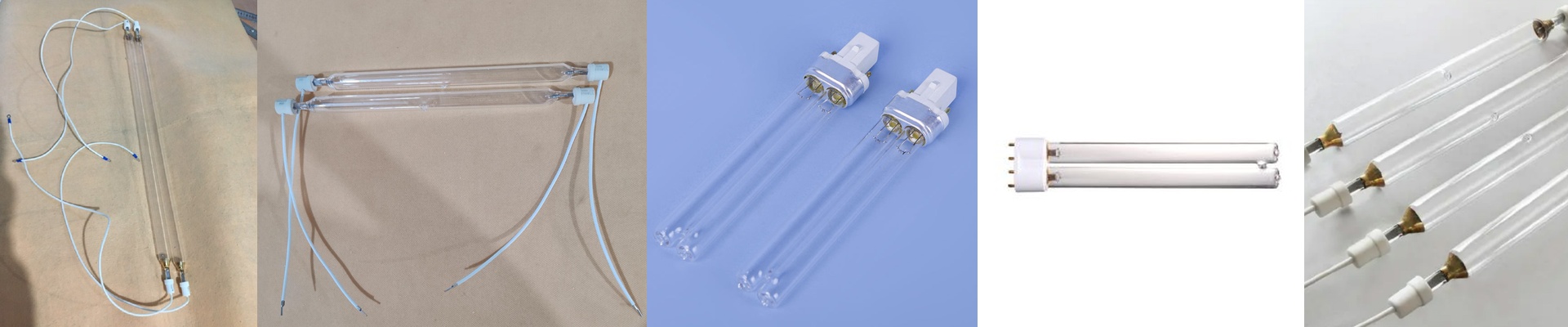
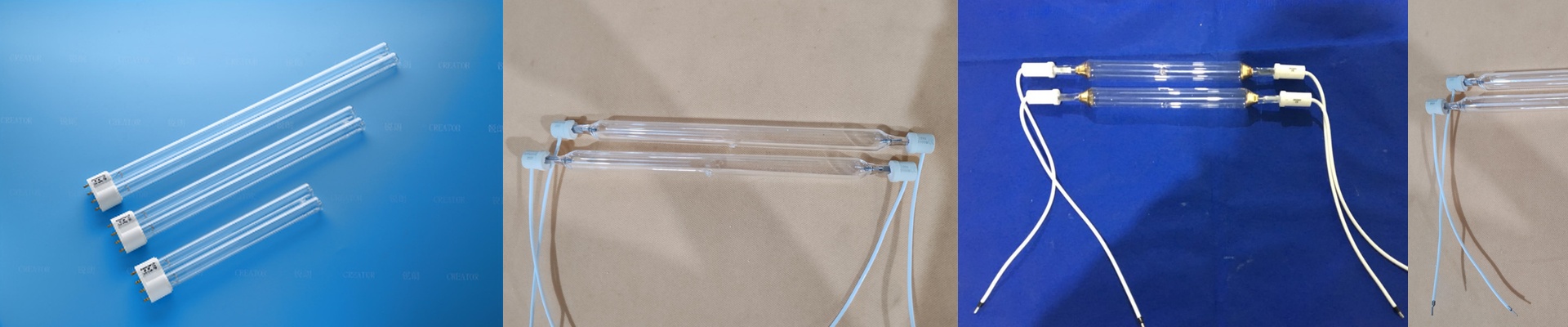
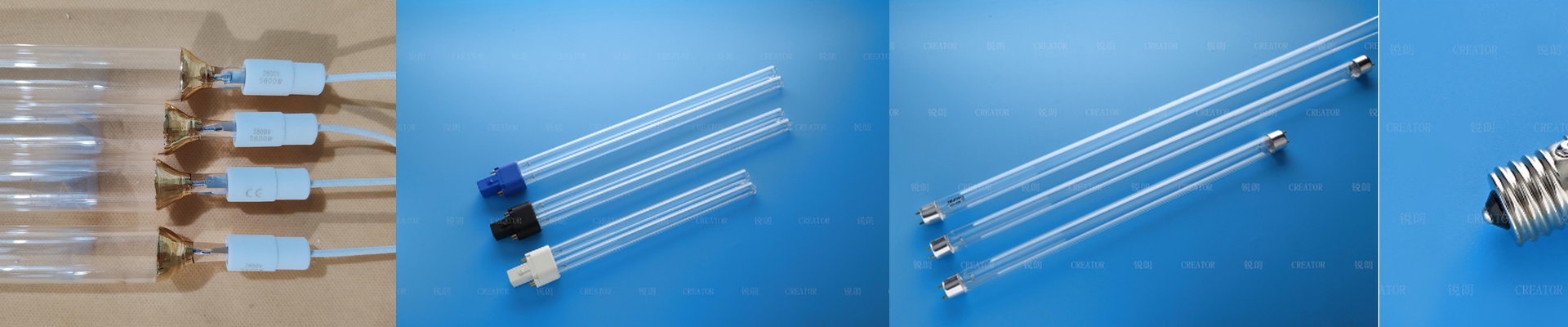
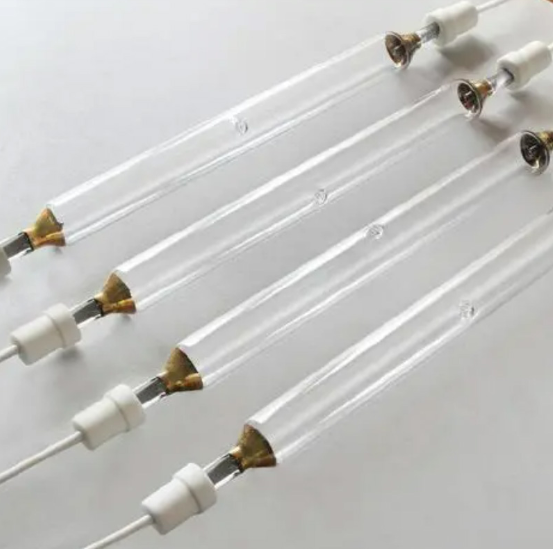
Most people look at a curing lamp and just see a fancy heater. But if you’ve spent any time on a production floor, you know it’s more like a precision tool for a chemical reaction. We use Gallium iodide (GaI) lamps because they hit that sweet spot in the short-wave UV spectrum—specifically between 200nm and 300nm. It’s not just about drying ink. It’s about actually changing how polymers and semiconductors behave at a molecular level. The secret is in the gas. By filling these lamps with gallium iodide, we shift the emission peak. The result? You can cure much deeper into your materials than you could with a standard mercury lamp. The energy is tighter, more focused. You stop wasting so much heat, and your line speeds can finally pick up. But look, there’s a catch. High-intensity UV generates a lot of heat. Like, a lot. If you’re running a high-wattage GaI system, you can’t skimp on the cooling. Your manifolds need to be oversized. If you don’t have aggressive air or water cooling, that quartz envelope is going to stress out and pop way sooner than it should. We use high-purity fused quartz to stop the glass from clouding over time—what the engineers call solarization—but you still have to keep an eye on those operating temps if you want the lamps to actually last. Making it smart In a modern setup, you shouldn’t just be flipping a switch to “on” or “off.” That’s old school. We link these lamps to precision power supplies so you can dial the intensity up or down based on what your sensors are seeing. You can wire them straight into your PLC to adjust the UV dose as the belt speed changes. It’s a lifesaver. It stops you from over-curing, which is usually why parts end up brittle or turning an ugly yellow. Just a heads-up: when you drop these into your line, remember you’re managing a chemical reaction, not just adding a light bulb. **Safety first.**UVC is nasty stuff if it hits your skin or eyes. Keep everything in closed-chamber housings. Keep the radiation inside the machine and your operators safe.