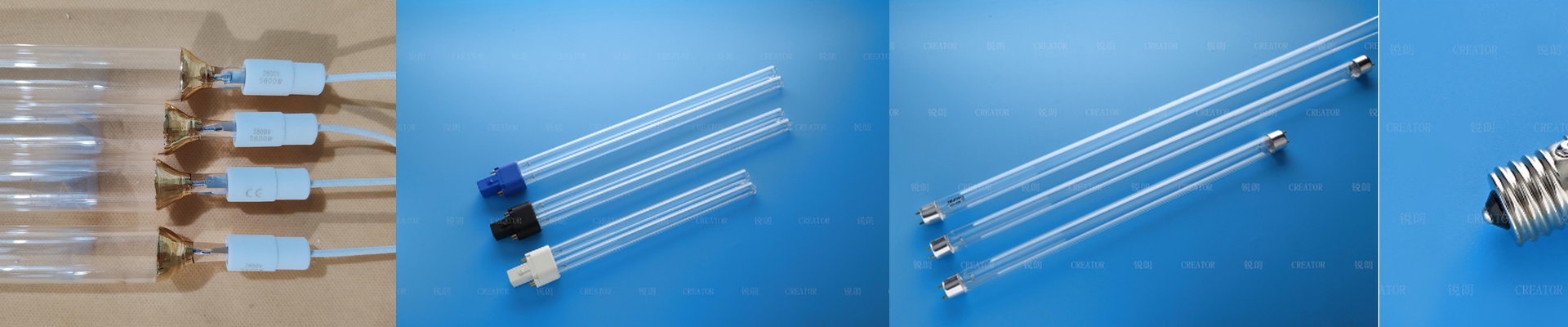
A Better Way to Build Industrial UV Lamps
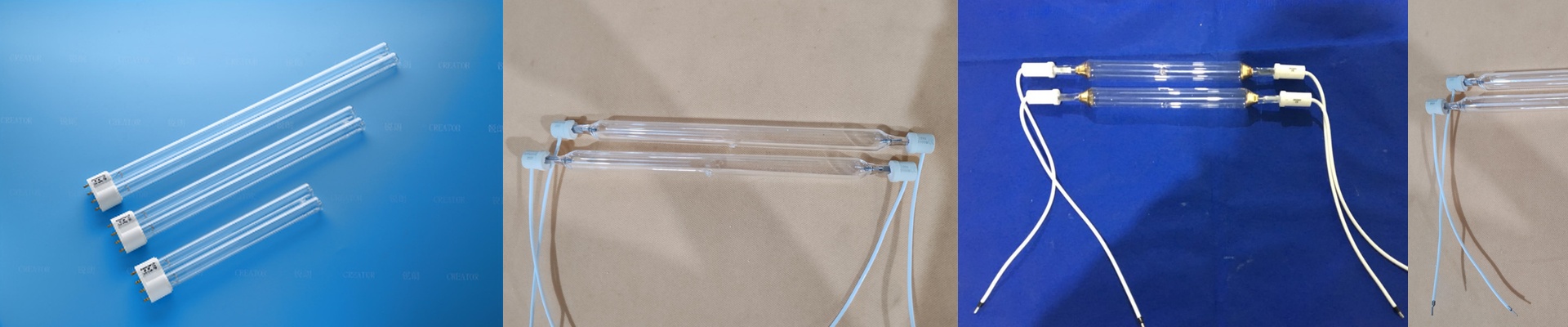
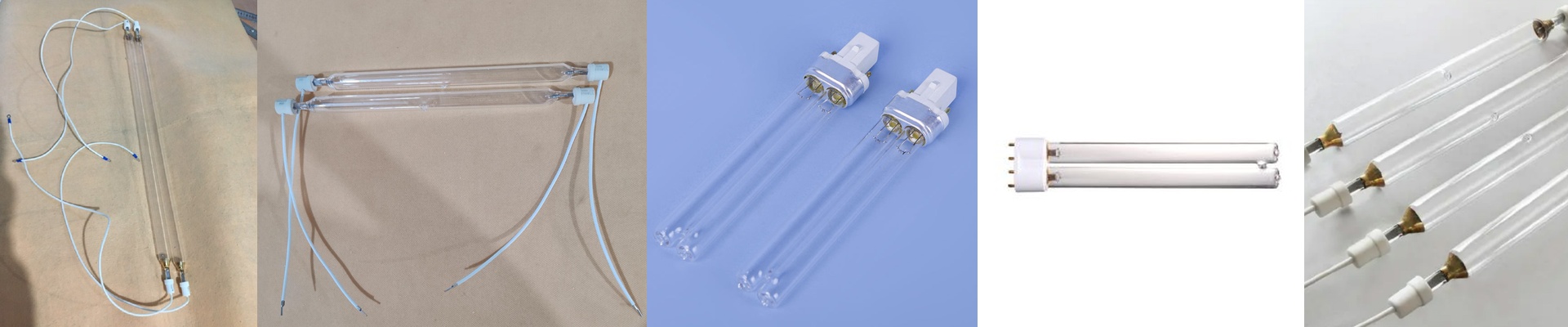
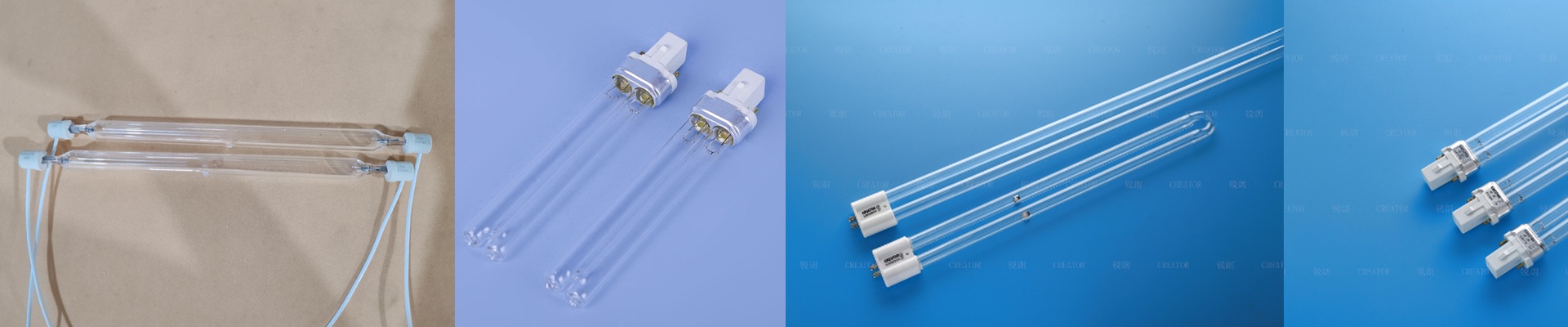
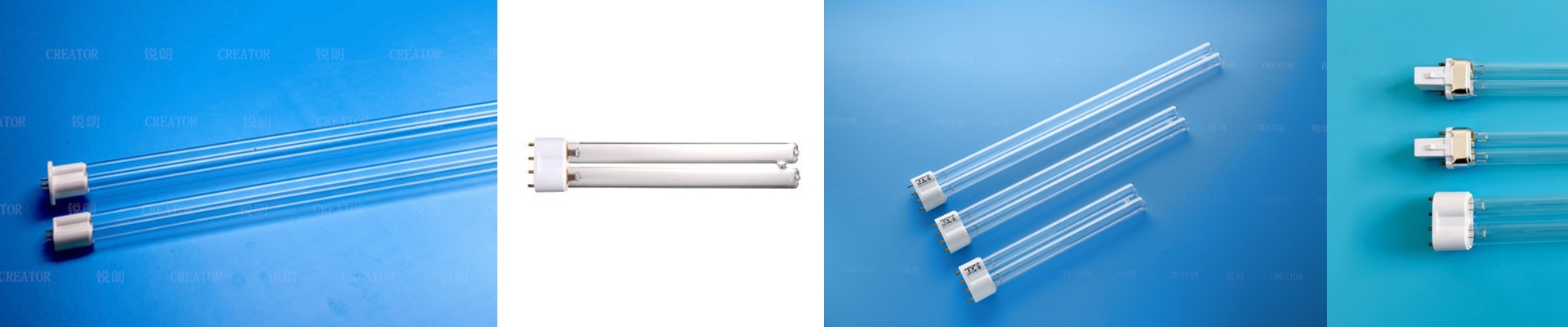
We’re changing how we make UV lamps. The goal is simple: zero pollution. Now, if you’re an engineer, you probably don’t care about “going green” just to check a box. You care about the headache of hauling away hazardous waste and the nightmare of shutting down a line just to swap out a dead bulb. That’s where the real value is. Getting rid of the nasty stuff Most old-school lamps rely on mercury vapor or toxic phosphors. We’ve ditched those. Instead, we’re using high-purity quartz and eco-friendly alternatives. Here is the best part: when a tube finally burns out, you don’t have to deal with specialized hazardous waste protocols. It just makes the cleanup easier. We still use specialized coatings to make sure the UV-C or UV-B peaks hit exactly where they need to, but without all the environmental baggage. Building things to actually last A lamp usually fails at its weakest point—usually the seal or the electrodes. To fix that, we’ve tweaked the gas fill and the electrode alloy to stop them from wearing down so fast. I won’t tell you these lamps last forever. That would be a lie. If you crank the wattage to the max 24/7, they’re going to degrade. It’s a trade-off. But if you use a pulsed or modulated power supply, you’ll get a lot more life out of them. Getting them into your system These are designed to be drop-in replacements. We kept the footprints standard because nobody wants to rebuild their reflectors or rewire a ballast just to upgrade a lamp. One quick tip: check your cooling. Different materials handle heat differently. Just make sure your airflow is solid so you don’t warp the quartz envelope. It’s a straightforward swap that keeps your OPEX down because you aren’t replacing bulbs nearly as often.