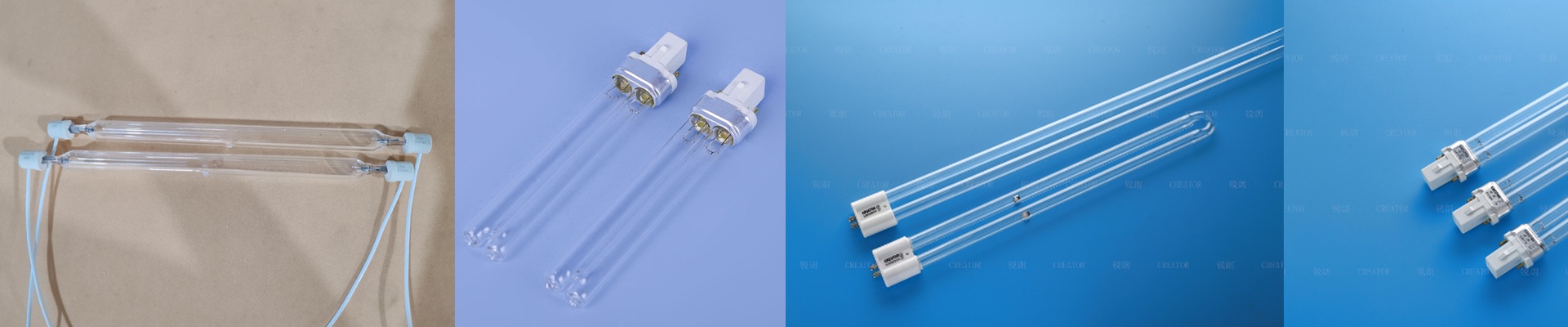
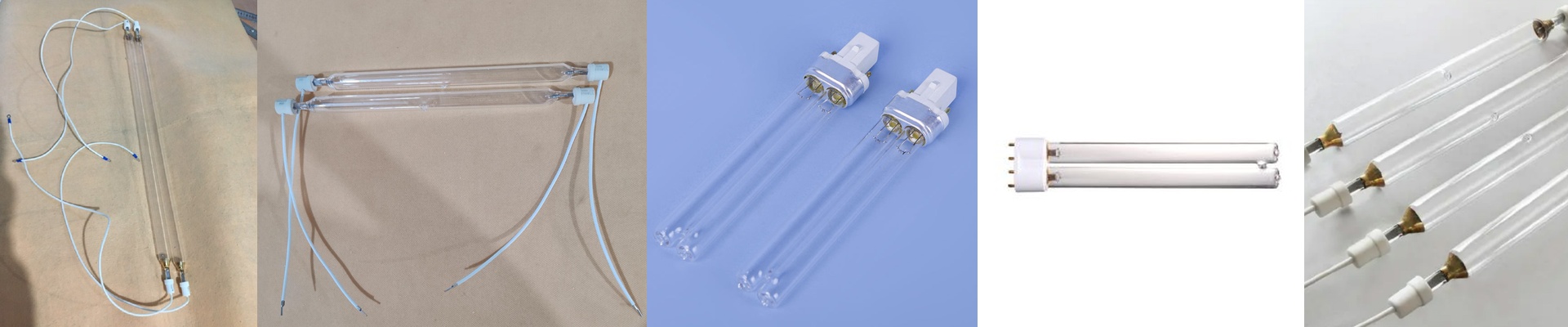
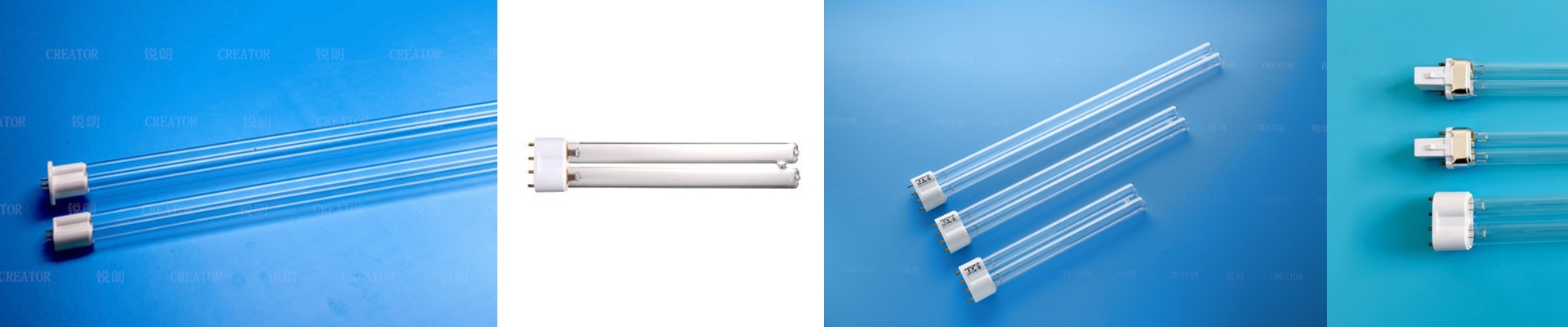
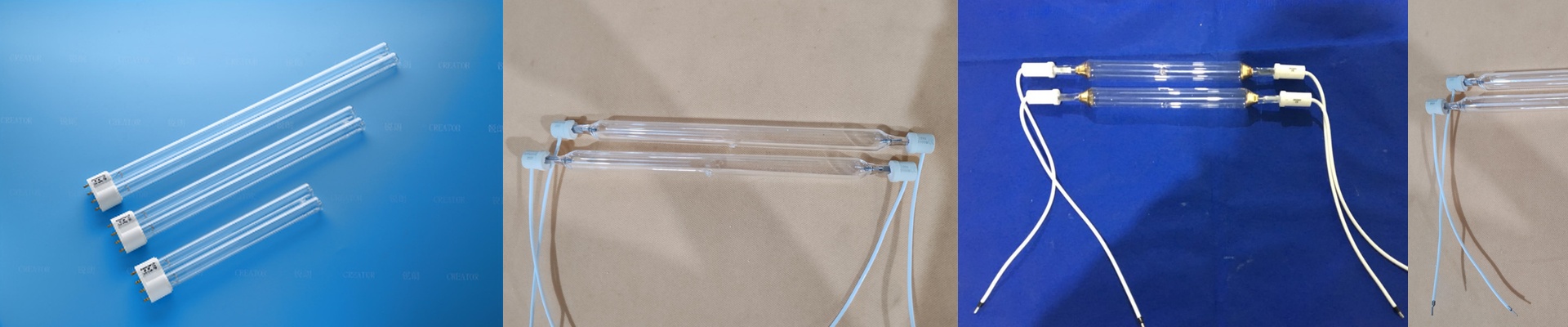
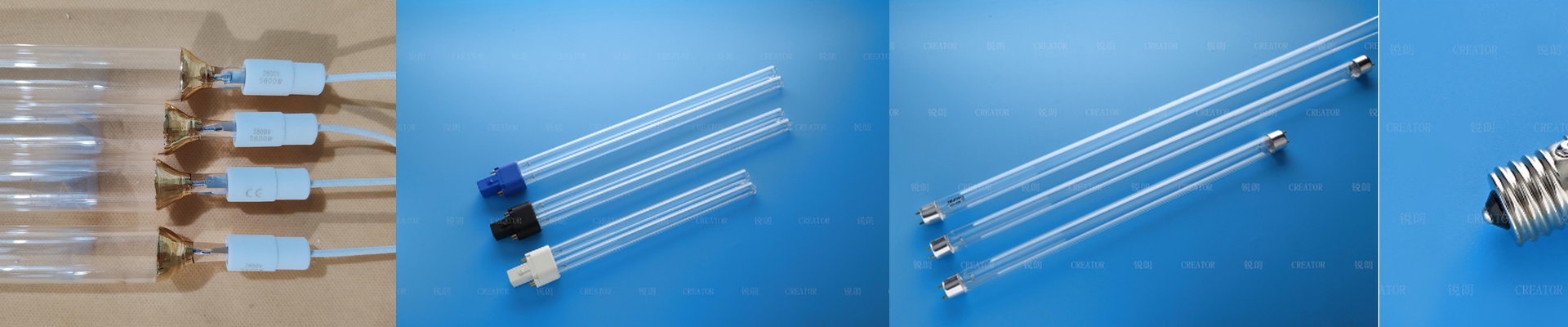
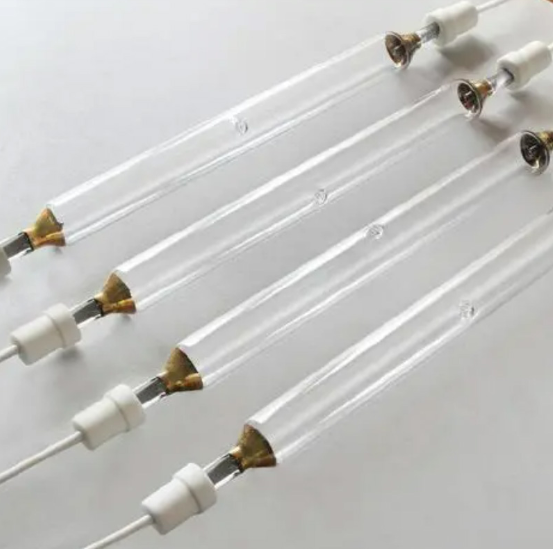
Introduction
We make industrial UV germicidal lamps for engineers who just want sterilization that works—without wasting power. Our whole design hinges on a patented lamp architecture we developed ourselves. It keeps output steady while using less energy. For you, that adds up to something pretty nice: the system runs cooler, costs less to run, and it’s built to meet the standards of multiple international markets.
The Tech, Without the Fluff
These lamps are built to deliver consistent UV output, and their electrical behavior stays predictable. We match the arc length and gas fill to the power supply, so the lamp draws exactly what it needs—no more, no less. That’s how you keep the cost per cycle low, especially on production lines where the lamp runs long shifts. We also built a proprietary driver interface to cut harmonic distortion and shield the lamp from current spikes. In practice, that means fewer premature failures and germicidal dosing that stays steady over time.
Materials and Build—Made to Stay Tough
The lamp envelope is high-purity quartz, chosen because it transmits UV strongly and can handle high operating temperatures. A proprietary coating protects the internal parts from breaking down, so output stays strong over the life of the lamp. Then we pair that with a connector system built for high heat. The contacts handle thermal cycling, and the mechanical retention prevents arcing and intermittent connections—two headaches that show up all too often on the shop floor. It’s a drop-in solution, but it’s engineered to take a beating.
Where It Shines (And What to Plan For)
In water treatment, air handling, and surface disinfection lines, the lamp delivers high-intensity UV in a compact footprint. The energy-saving design lowers peak load, which eases the strain on your electrical setup. And the bigger win is compliance. Our patented architecture gives you a solid technical foundation for market entry, which helps reduce exposure to IP disputes and import restrictions. Just one trade-off: because the UV intensity is concentrated, you need strict shielding and interlock design. So plan your enclosure and maintenance procedures with that in mind.