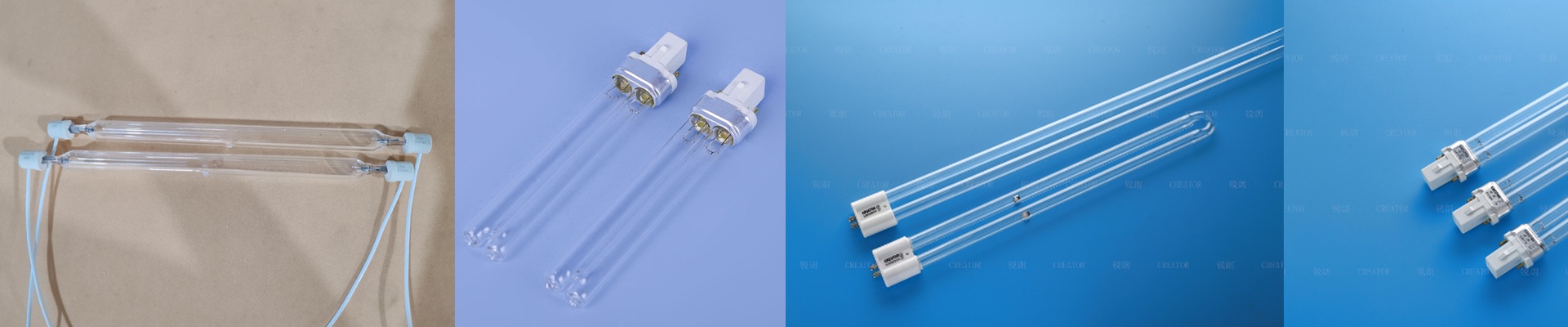
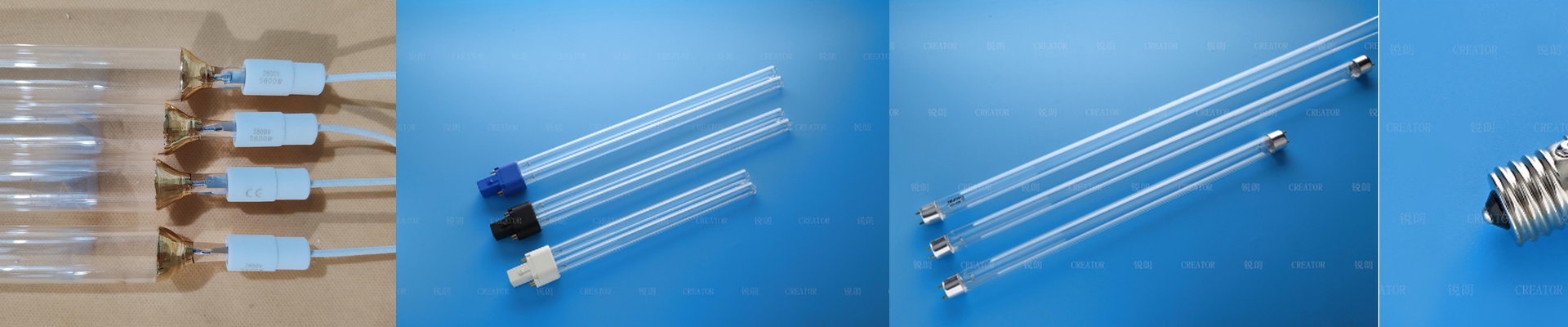
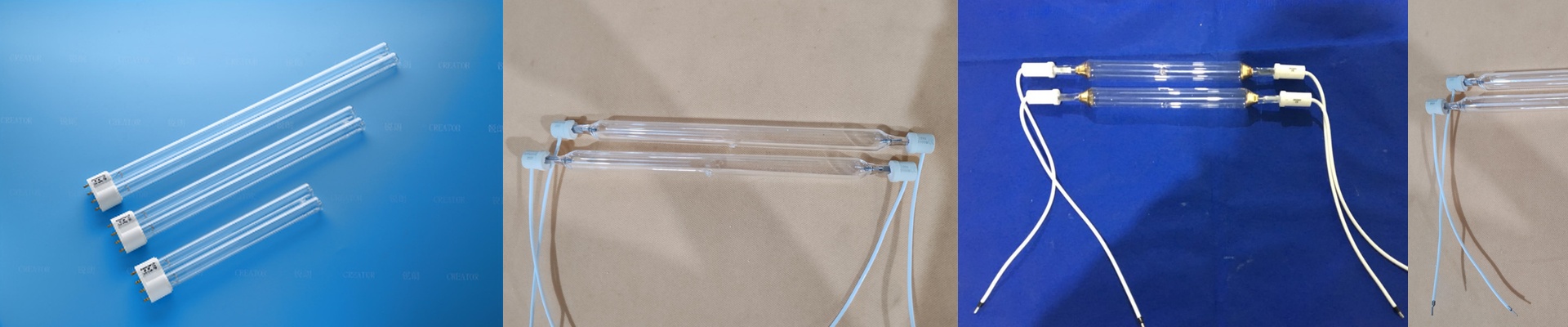
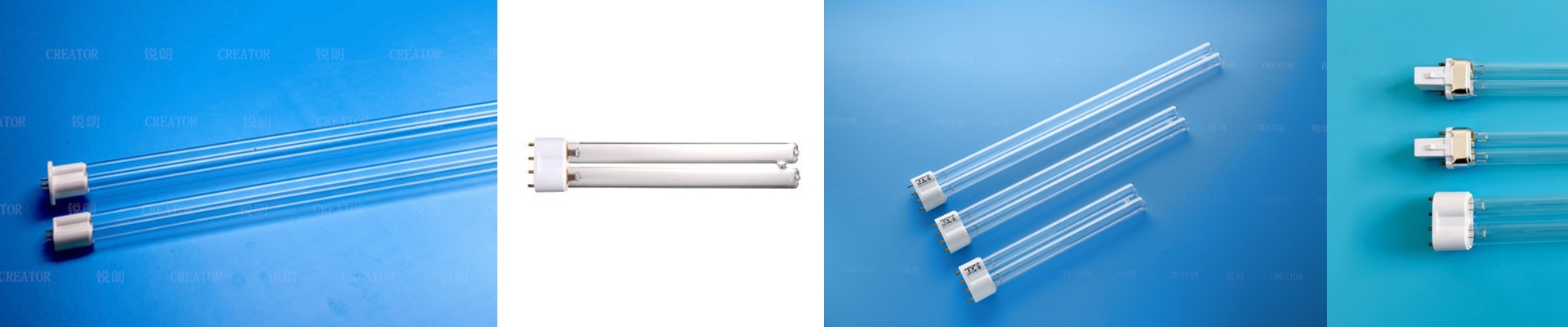
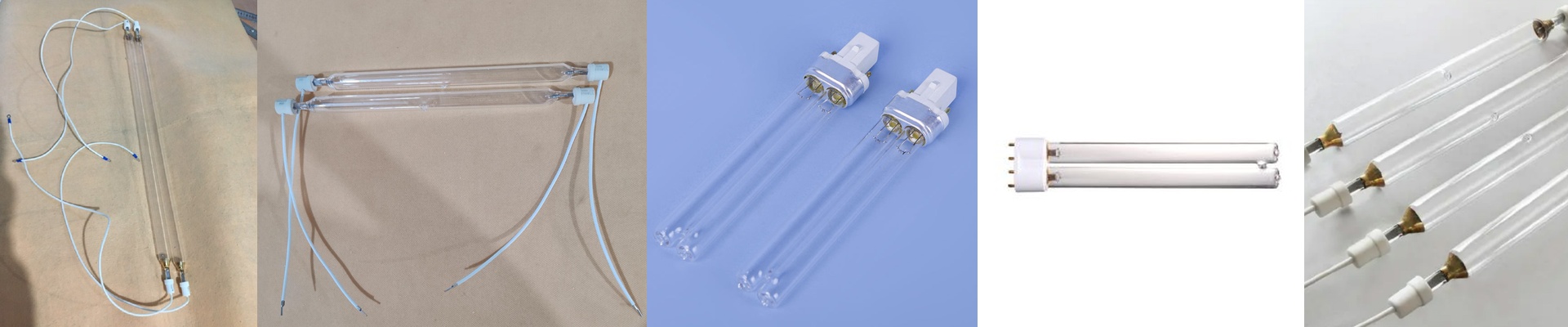
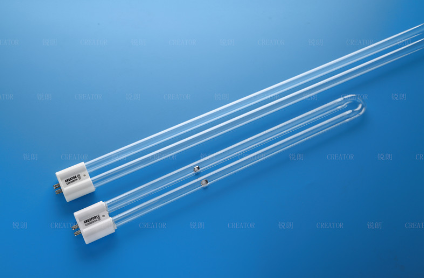
In a small screen or flexo shop, microbial contamination on rolls, screens, and substrates is the quiet troublemaker. It drives rework, causes odor, and eats up downtime. The real question isn’t whether UV can handle mold—it’s whether the lamp is built to deliver the right dose, consistently.
What actually matters
Germicidal performance comes down to spectral output, not guesswork. For knocking out mold and spores, the 254 nm line does the heavy lifting because DNA/RNA absorption peaks right there. We spec lamps with stable 254 nm output and a defined UVC irradiance (mW/cm²) at the target surface, measured with a calibrated radiometer. At the same time, industrial UV curing depends on matching the photoinitiator absorption band—usually 365 nm or 395 nm—to get cross-linking without under-cure or overheat. We control peak irradiance, dose uniformity, and dwell time so the lamp supports both microbial control and solid cure. Reflector geometry and dichroic coatings shape the beam and cut wasted energy, while ozone-free quartz envelopes keep operator exposure where it should be.
Why this fits the shop
We built this for the realities small and medium printers live with: tight space, line speeds that drift, and budgets that demand discipline. The unit drops into existing UV offset, flexo, and screen lines without rewiring the whole press, and it holds repeatable dose across typical web widths. Expect faster throughput with fewer tacky passes, and a measurable drop in surface mold on rolls and frames. Energy draw is lower than many legacy mercury systems, and we track lamp life against a predictable output decay curve—so you plan maintenance instead of reacting to failures.
The details that keep it honest
Installation comes down to getting the reflector aligned and confirming reflectance so the irradiance profile lands where it’s supposed to. Misalignment kills effective dose fast. Make sure substrate and ink are compatible—some coatings and pigments absorb hard below 300 nm, and that can impact cure. Treat the lamp like a controlled process variable: measure dose, log lamp hours, and replace lamps based on measured output, not a calendar.