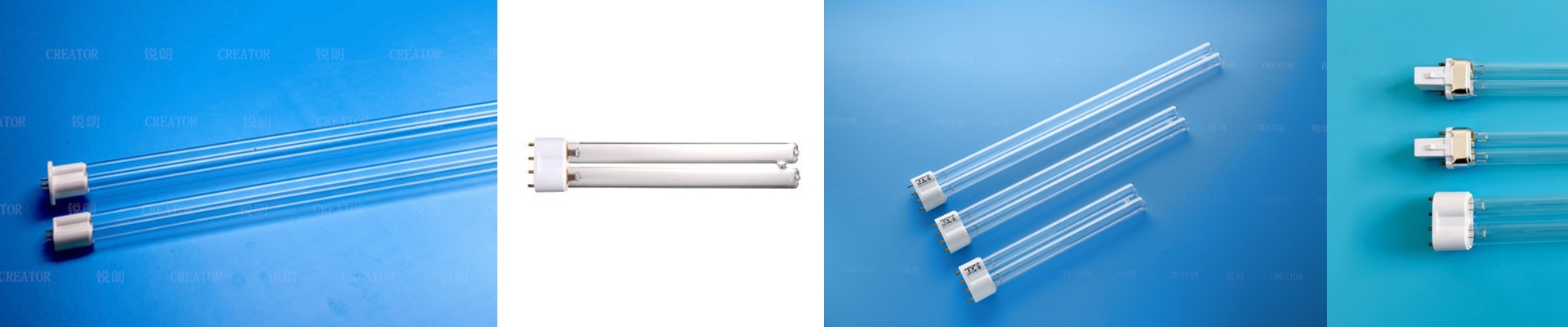
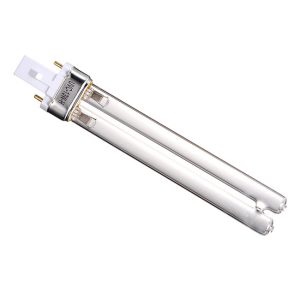
Getting the Most Out of 120W/cm Mercury UV Lamps
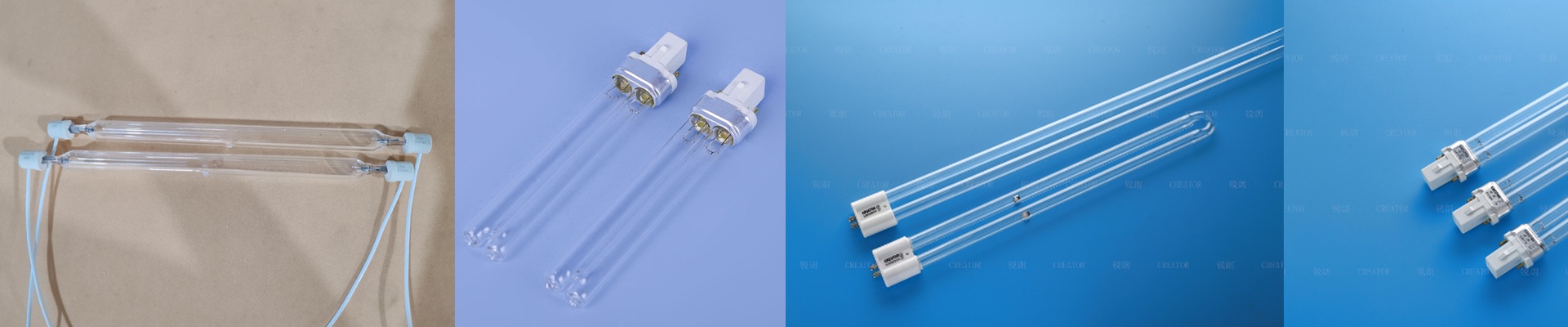
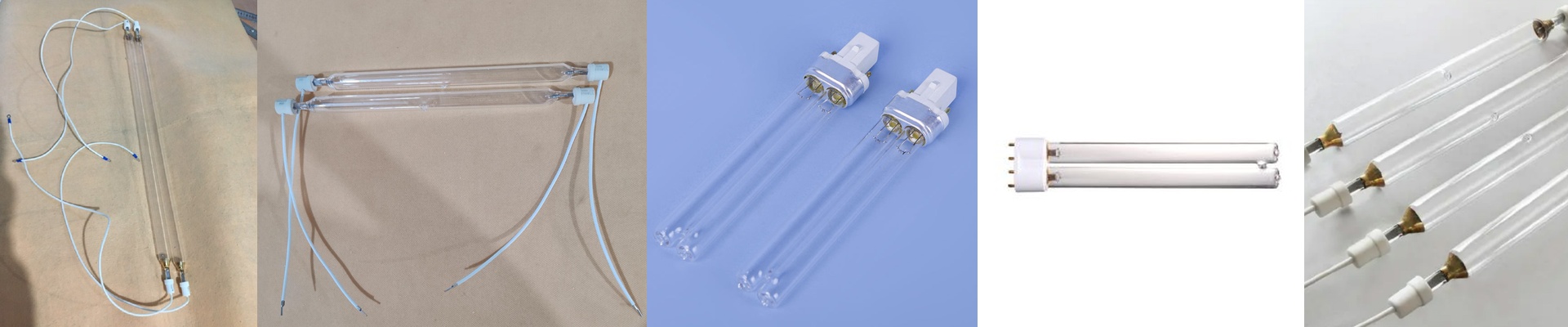
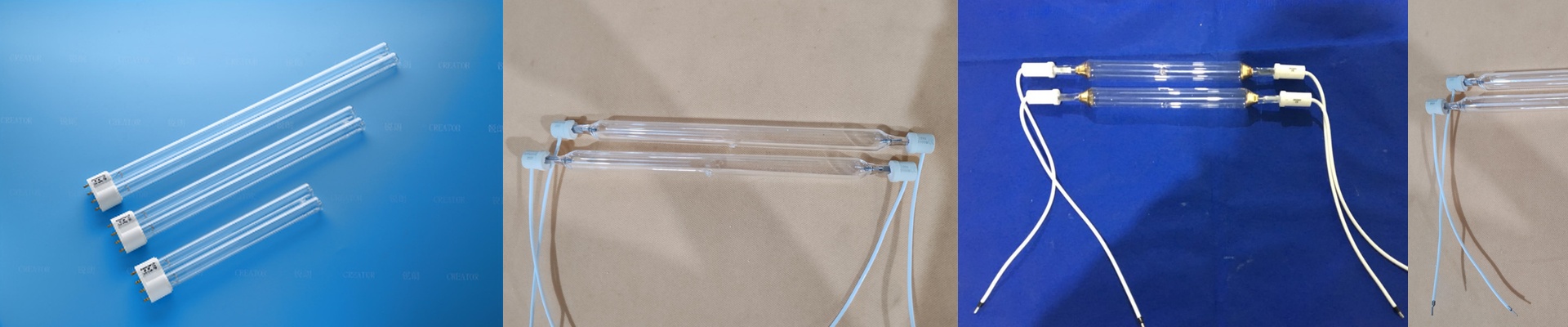
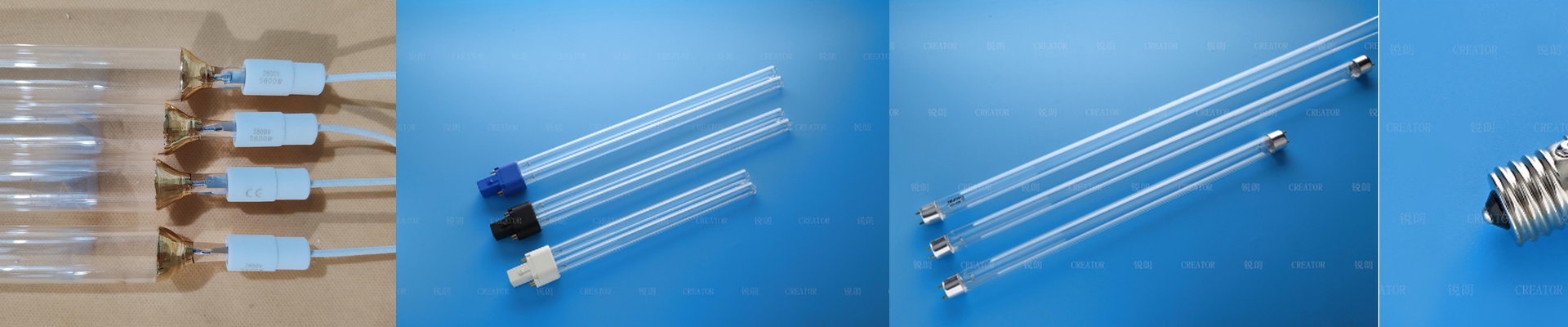
When we build our standard mercury UV lamps, we aim for a power density of 120W/cm. Now, in the world of industrial curing, raw wattage is just the starting point. It’s like having a powerful engine but no steering. The real trick is spectral energy concentration. We spent a lot of time getting the variance down to 0.5%. Why? Because that’s the difference between a perfect cure and a total mess. You want that cross-linking to be dead-on across the whole substrate, every single time.
The grit behind the 120W/cm density
Pushing that much energy into such a small space is a balancing act. If you aren’t careful, you’ll fry the electrodes. To stop that from happening, we obsess over the mercury vapor pressure inside the quartz envelope. If that pressure drifts, your spectral output shifts. That’s how you end up with those annoying “under-cured” spots or, even worse, surface scorching. We keep the tube diameter and wall thickness on a very tight leash. It keeps the heat stable. It just works better.
How we hit that 0.5% mark
Most lamps you buy off the shelf have a pretty wide energy spread. We aren’t okay with that. To hit a 0.5% concentration, we have to be picky. We control the purity of the mercury and exactly where the electrodes sit. Even a tiny misalignment in the arc center can throw off the UV output. We actually use a specialized centering jig during assembly. It ensures the arc stays right in the middle. No hotspots. No dead zones. Just uniform intensity from one end of the lamp to the other.
A few things to watch out for
You can slide these lamps into most standard UV curing arrays without a problem. But here is the catch: 120W/cm puts out a massive amount of heat. If your cooling fans or water jackets aren’t up to the task, the quartz tube will overheat. Then you get “solarization.” That’s when the quartz gets cloudy and starts blocking the UV light. Your cooling has to match the lamp’s heat output, or you’re just inviting a premature failure. Seriously, don’t skimp on the venting.