Getting Your UV Curing Right with Gallium Iodide Lamps
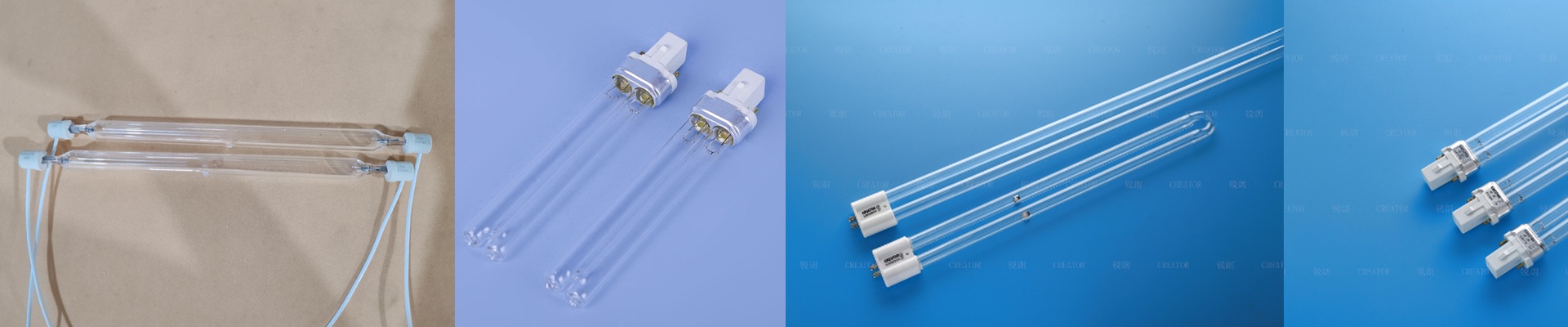
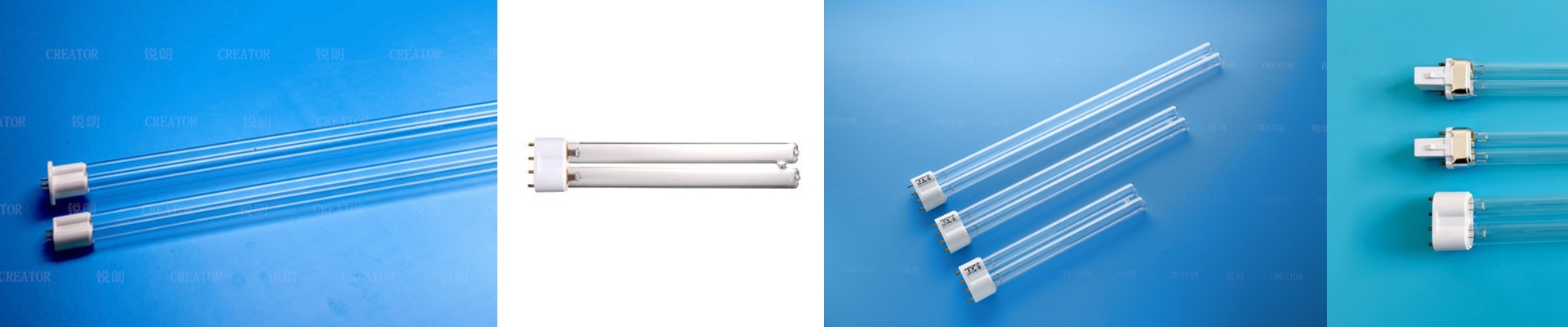
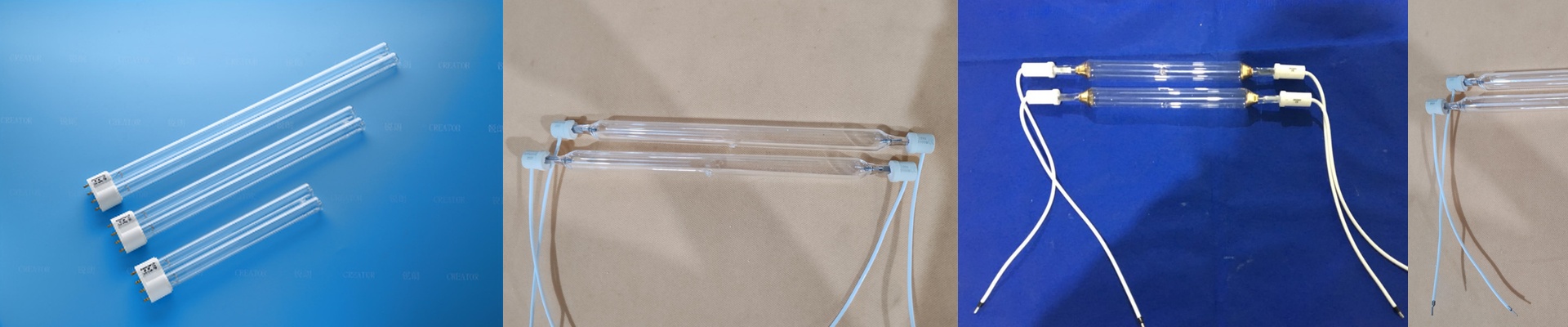
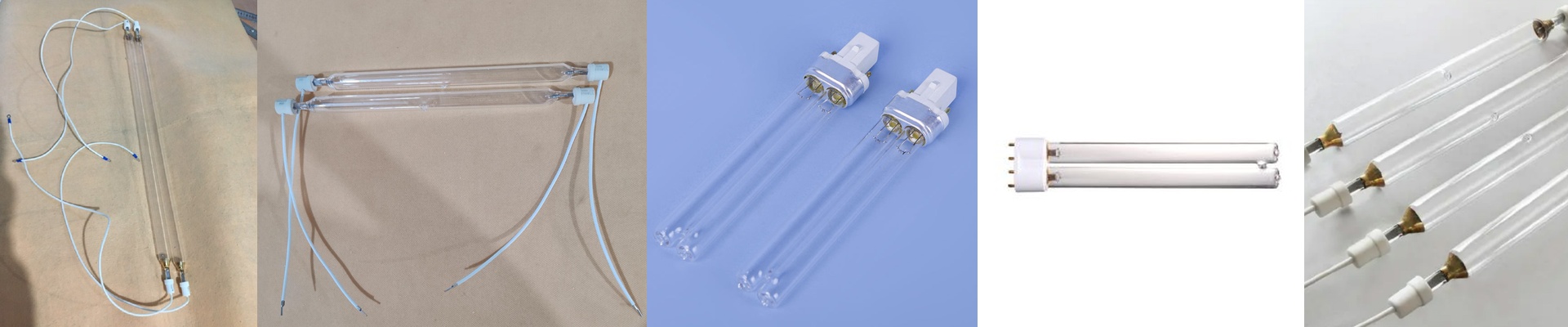
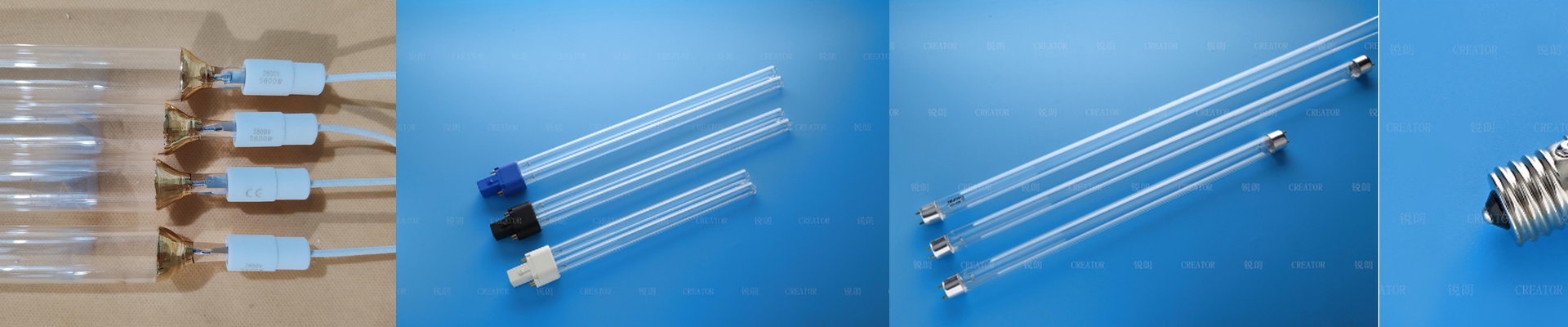
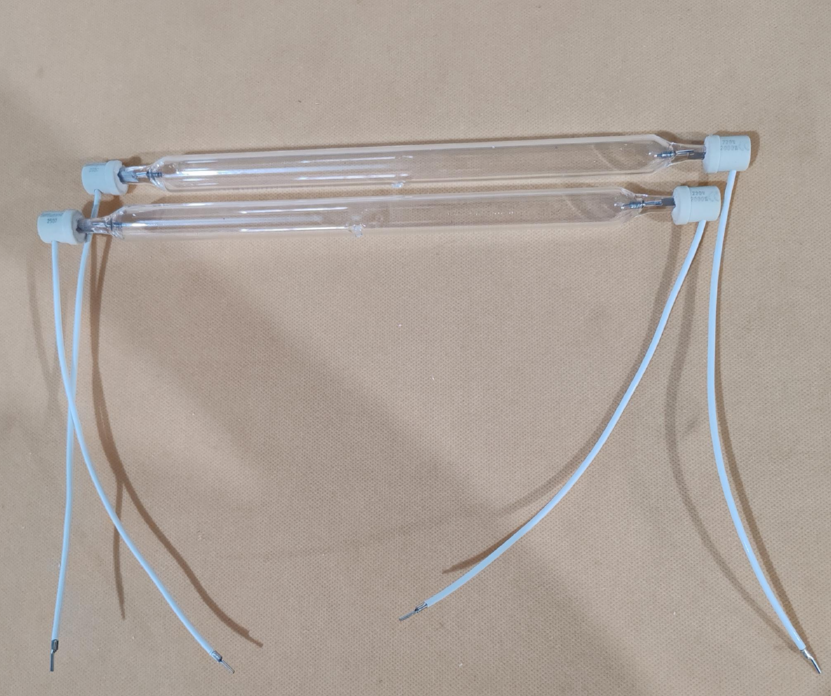
Most people stick with standard mercury lamps, but there’s a problem: sometimes the UV just doesn’t go deep enough into the material. That’s where Gallium Iodide (GaI) comes in. These lamps shift the spectrum, giving you a much stronger punch in that 300nm to 400nm range. If you’re doing industrial curing or photolithography and your current setup isn’t penetrating the substrate, this is the fix.
The Nitty-Gritty on Power and Tuning
Here’s how we do it. We play around with the gas pressure and the tube diameter to hit the exact wavelength you need. But you have to be careful with the wattage. Sure, cranking up the power gives you more photon flux, but it puts a lot of stress on the quartz. If you try to shove too much wattage into a short tube, you’re just asking for overheated electrodes.Match your lamp to your ballast capacity, or you’ll be replacing bulbs a lot sooner than you’d like.
Keeping Things Cool (and Clear)
We use high-purity fused quartz because regular glass is basically a wall to UV light—it just blocks it. We also make sure the seal between the quartz and the electrodes is airtight. If that leaks, the gallium iodide oxidizes, and your lamp becomes a paperweight. Plus, we can tweak the end-caps so these slide right into your current fixtures. No need to rebuild your whole rig. One heads-up:**these things get hot.**Really hot. Since UV curing requires so much energy, you need active cooling. If you don’t have a solid heat sink or a blower moving air across the tube, the quartz will stress and eventually crack. Don’t skip the fan.
No More Waiting Weeks for Parts
If you’re running a fast electronics or e-commerce line, you can’t afford to have a machine sitting idle for two weeks while you wait for a custom lamp. It’s a nightmare. To stop that from happening, we keep the raw quartz and precursors in stock. It means we can scale your line or swap your specs without you having to wait for a full production cycle. We build them to fit your exact footprint, so you can just wire them up and get back to work.