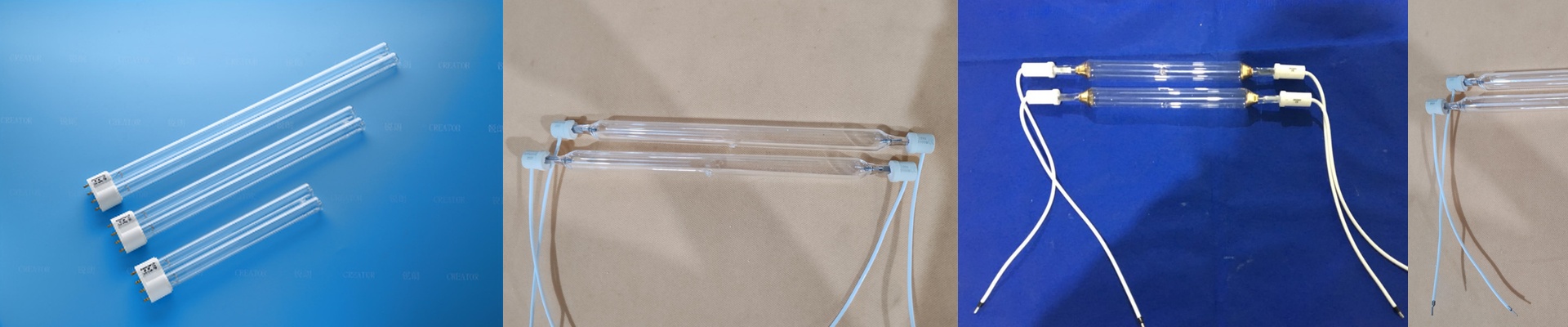
Getting the Light Exactly Right: The Story Behind Our 0.5% Spectral Concentration
Most UV lamps just throw a wide net of light and hope for the best. We do things differently. We’re obsessed with the narrow margin. Our R&D team spent a lot of time chasing a 0.5% spectral energy concentration. Why? Because for certain chemical cross-linking to actually work, the photons need to hit the substrate at one very specific wavelength. Not “close enough.” Exactly.
How we actually pull this off
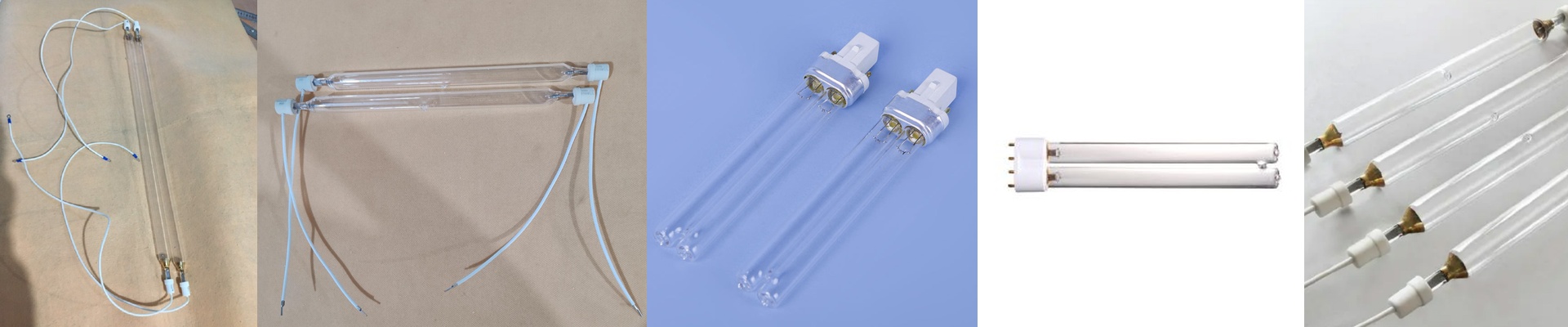
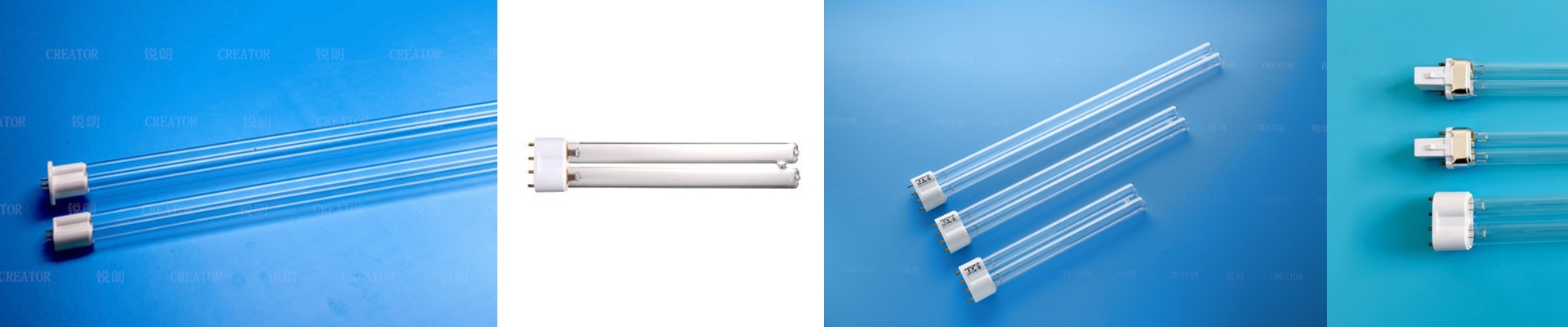
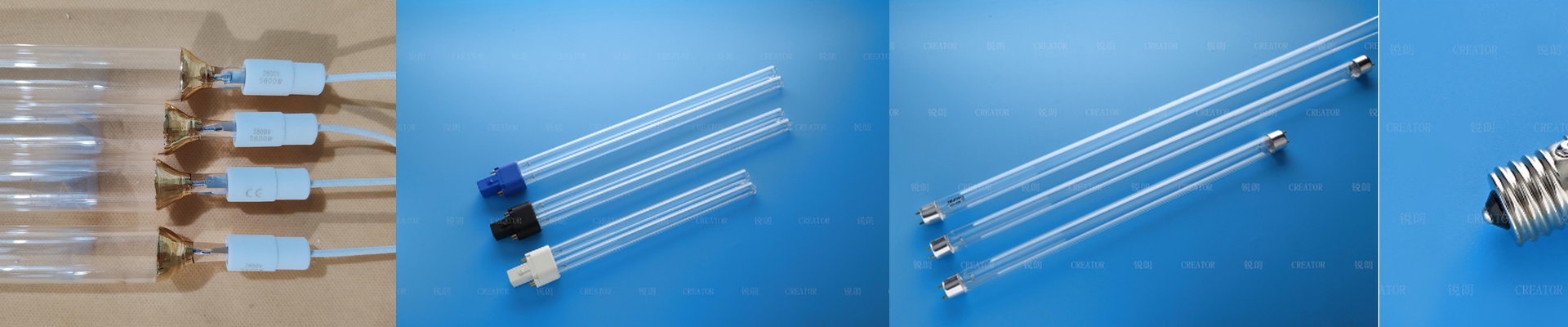
You can’t just buy parts off a shelf and expect this kind of precision. To get that tight 0.5% window, we have to get creative with the gas mixture inside the quartz envelope and tweak the electrode geometry. It’s a bit like tuning a guitar. We’re forcing the energy into a tight spectral peak so you don’t waste power on infrared or other UV bands that don’t do anything for your product. The result? Your cure speeds jump. More importantly, you stop dealing with that frustrating “tacky bottom” where the surface looks cured but the underside is still a mess.
The trade-offs (because there’s always a catch)
We use high-purity synthetic quartz for a reason. Standard quartz has impurities that act like sponges, soaking up the very wavelengths we’re trying to concentrate. But here’s the thing: precision isn’t free. When you narrow the spectral peak, you lose some of that raw, brute-force wattage you get from broad-spectrum lamps. You’re trading raw power for a surgical strike. And you’ll need a rock-solid power supply. If your voltage jumps around, that spectral peak shifts. Suddenly, your 0.5% concentration is gone, and you’re back to square one.
Getting it onto your shop floor
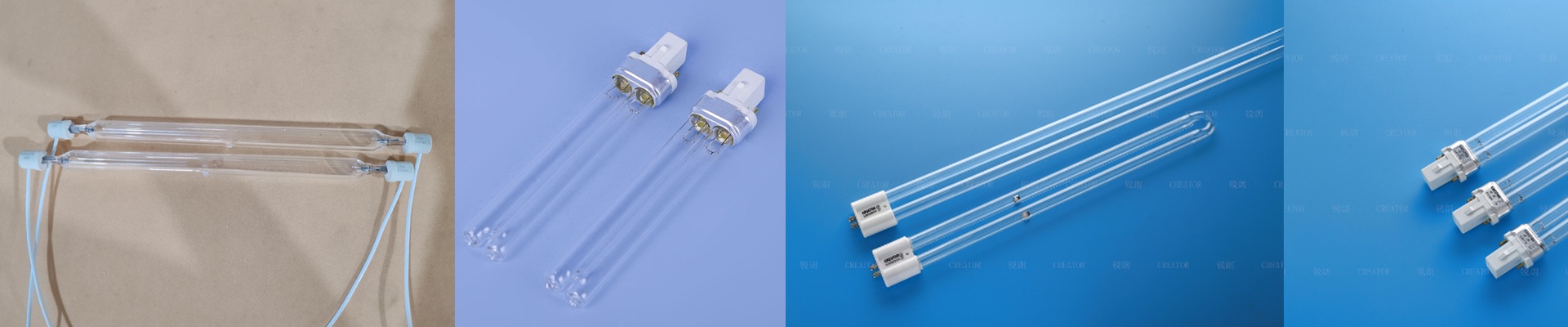
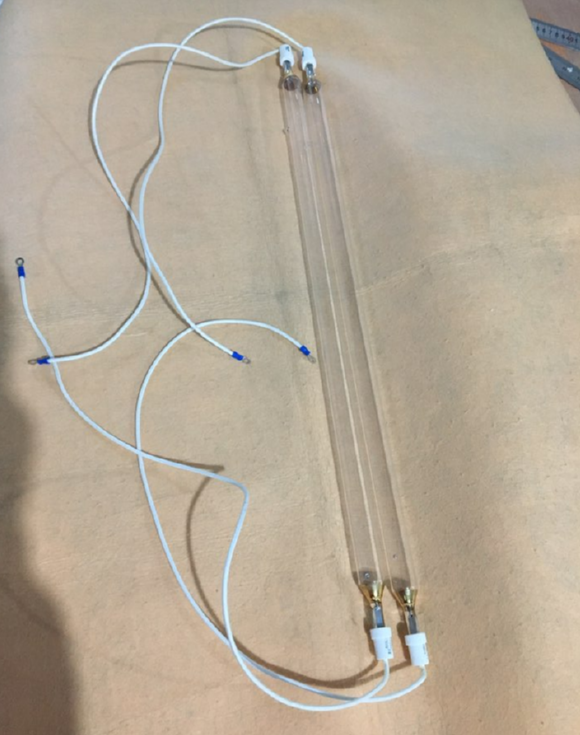
We didn’t want you to have to tear apart your entire setup just to use these. We built these lamps to be drop-in replacements. They fit your existing footprint, so your racking stays exactly where it is. Easy. One quick tip for when you wire them up:check your cooling blowers. Because the energy is so concentrated, these lamps create intense localized heat. If your airflow dips, the temperature spikes. When that happens, the spectral peak shifts, and your chemistry goes off-track. Keep the air moving. Keep the cooling steady. That’s how you keep your results consistent.