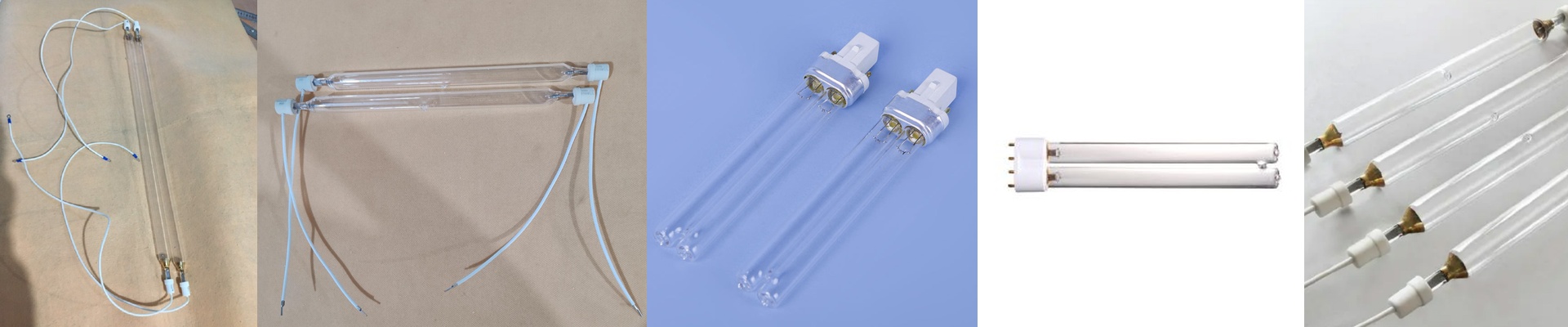
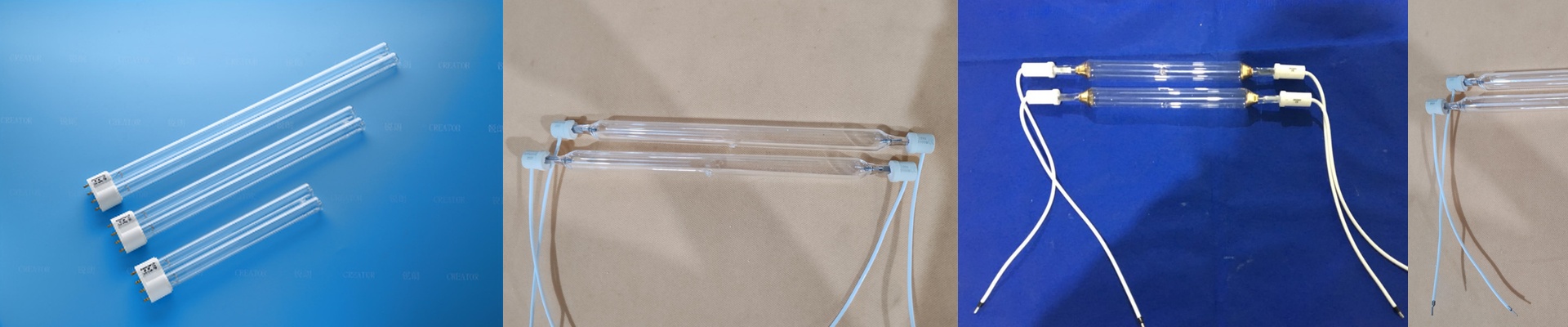
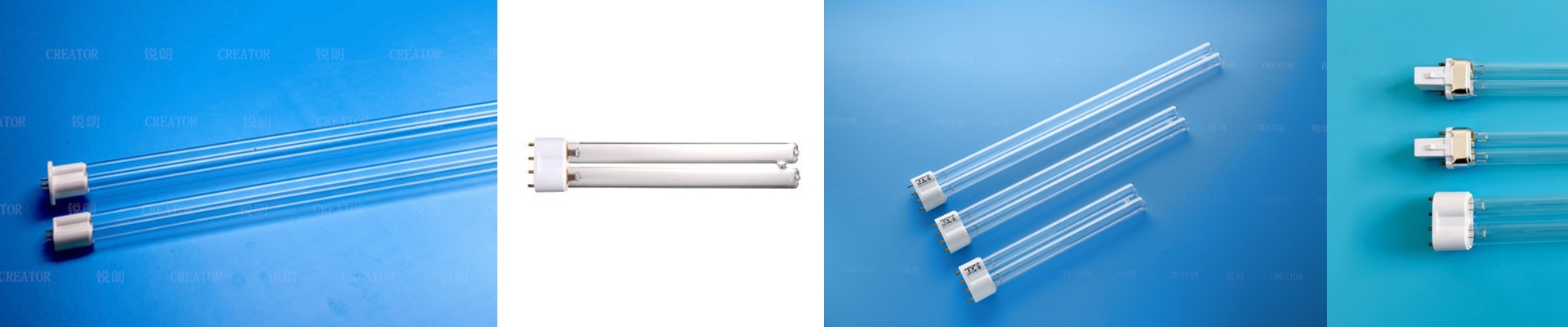
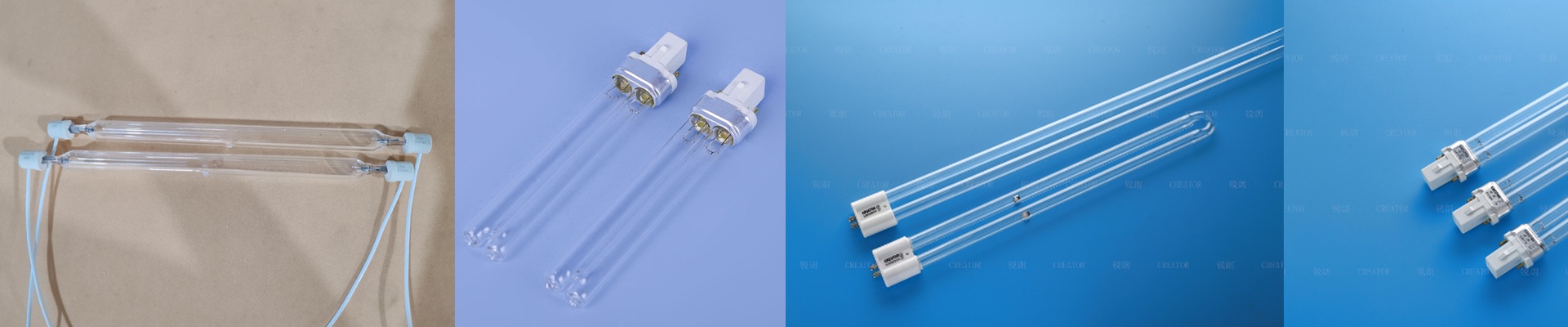
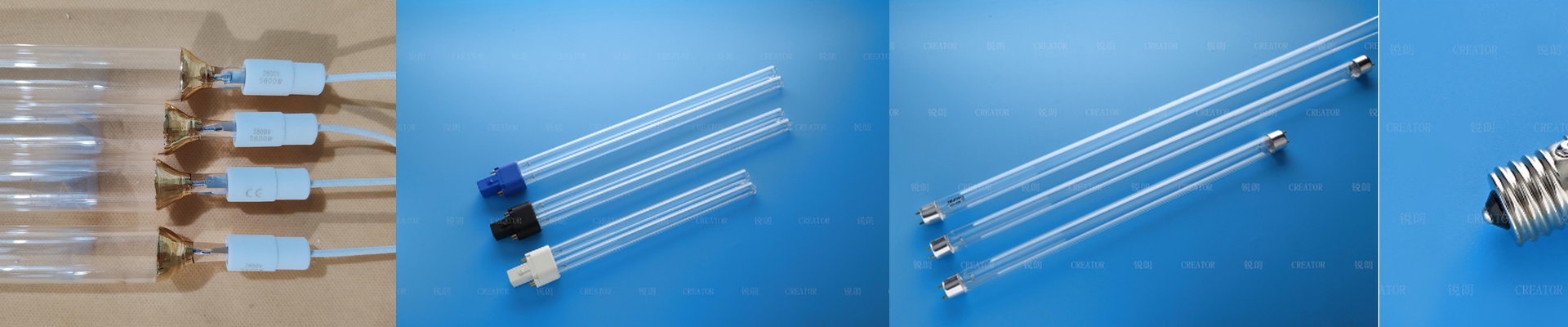
We spent some time visiting 3,000 different printing plants. Why? Because we wanted to know why standard UV lamps keep dying the moment they hit a real production line. It turns out that most off-the-shelf units are built for a lab, not a shop floor. They aren’t ready for the constant shaking or the oppressive heat of a high-speed press. After seeing it all, we realized the problem usually boils down to three things: heat, light quality, and the connectors. Getting the power right You need a specific dose of UV energy to dry your ink without burning the material. It’s a delicate balance. We look at the photoinitiator in your specific ink to figure out the specs. If you’re dealing with thick coatings on PET or plastics, you need more punch to make sure the cure goes all the way through. But here’s the catch: high wattage means high heat. If your cooling blowers aren’t moving enough air, that quartz glass will crack under the stress. It’s that simple. We spend a lot of time balancing voltage and amperage so your electrodes don’t just burn out and leave you stranded. The hardware side of things We got tired of seeing flimsy contacts. You know the ones—they wiggle loose the second the machine hits top speed. So, we switched to reinforced connectors that actually stay put. Then there’s the glass. We use high-transmission quartz because we want every bit of energy to hit the ink, not get trapped in the bulb. We’ve seen way too many shops use generic replacements that lose 15% of their power just because the glass isn’t pure. It’s a waste of electricity and time. The trade-offs Let’s be honest: if you crank up the intensity to speed up your line, your lamps won’t last as long. You’re trading lamp life for throughput. That’s just the physics of it. To make the switch easier, we kept the footprint tight. We made sure the dimensions are exact so you can just slide them in. No one wants to spend their weekend rewiring an entire conveyor system just to get their curing speed up.