More Than Just a Sticker: The Real Deal with CE Certification for GaI Lamps
Let’s be honest. In the world of industrial lighting, a CE mark often feels like just another piece of paperwork. Something you check off a list so the lawyers are happy. But when you’re dealing with Gallium Iodide (GaI) lamps—the kind we use for semiconductor lithography and high-end curing—that little logo actually means something. For us, it’s not a formality. It’s the bare minimum.
What’s actually happening under the hood?
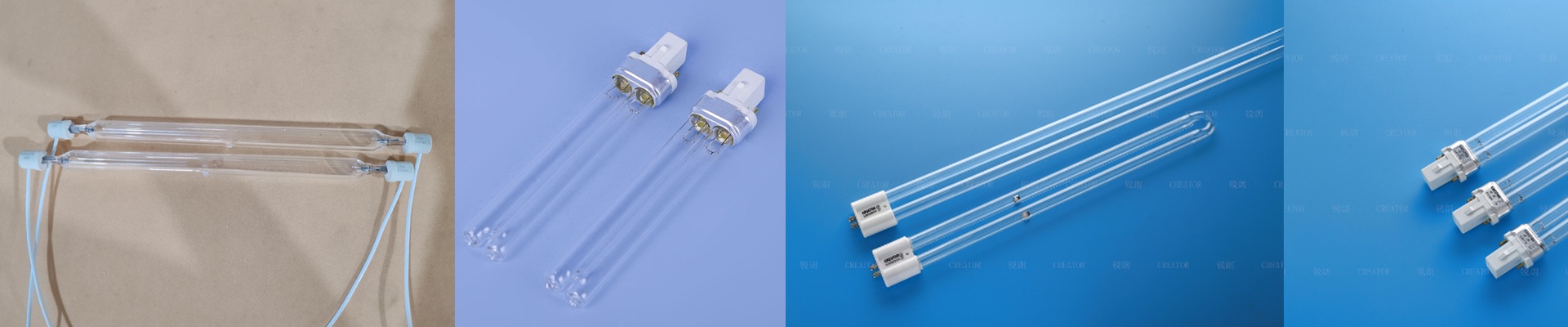
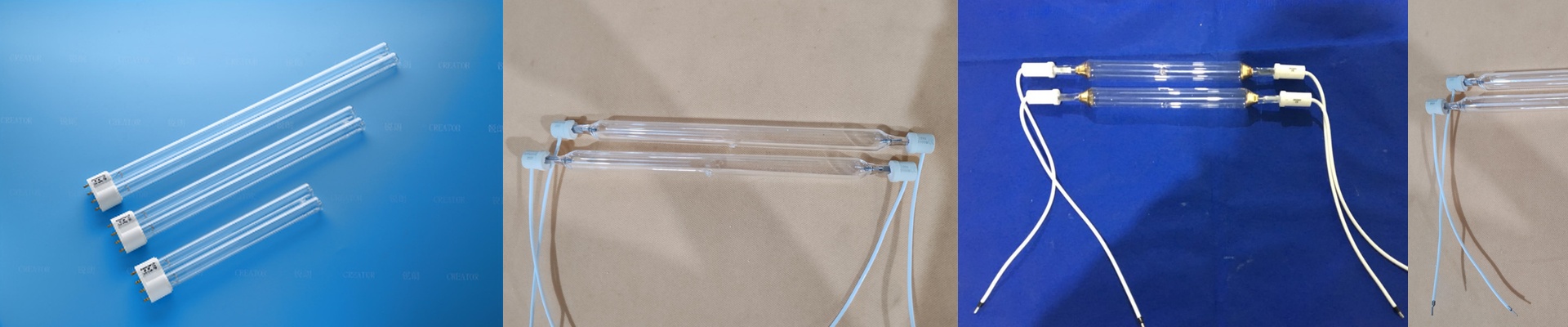
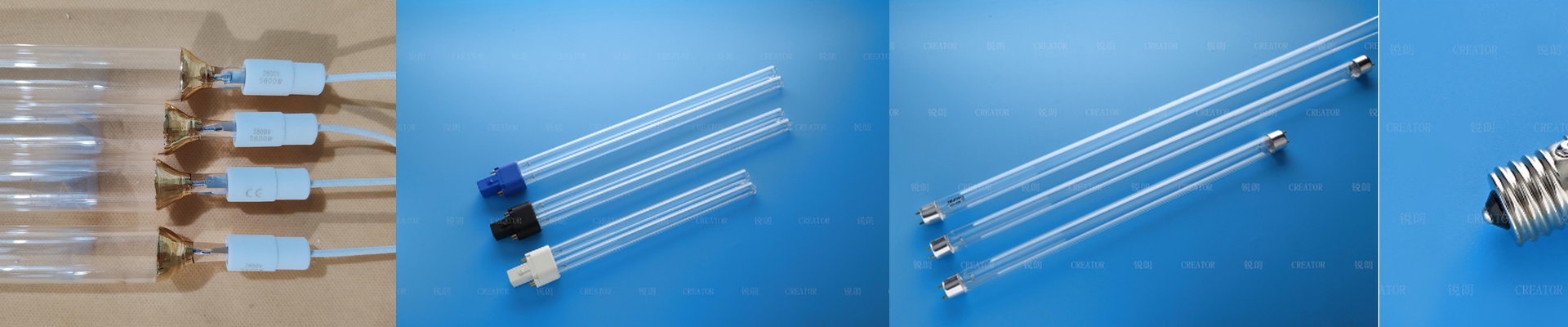
GaI lamps are beasts. They push out specific UV-C and UV-V wavelengths, but they do it under intense thermal stress and heavy electrical loads. Here is the thing: if your insulation is sloppy or the ballast starts acting up, you aren’t just looking at a dead bulb. You’re looking at a blown control board or, worse, an arc flash right in the middle of your machine. Not exactly the kind of day anyone wants to have. That’s why we obsess over dielectric strength and leakage current. We make sure the lamp can handle a 220V or 380V system without shorting out. Because let’s face it, one bad electrode is all it takes to trip your entire production line and bring everything to a screeching halt.
Trust, risk, and the “shop floor” reality
If you’re buying gear for a high-end facility in Europe or North America, you aren’t just shopping for a price tag. You’re shopping for peace of mind. When we hand over a CE-certified lamp, we’re telling you it won’t play tricks with the other sensitive sensors on your floor. It just works. Plus, there’s the lifespan issue. GaI lamps burn out faster than your standard mercury vapor bulbs because gallium iodide is chemically volatile. Since you’ll be swapping these out more often, you need connectors and housings that actually fit every single time. The CE standards force that kind of consistency. It saves you from the headache of “almost fitting” parts.
A quick reality check
Now, don’t get me wrong. A certification isn’t a magic wand. These lamps gethot. Like, really hot. CE certification handles the electrical safety side of things, but it can’t rewrite the laws of physics. Thermal expansion is still a thing. You still need to get your cooling fans and heat sinks right. If your airflow is weak, it doesn’t matter how many certificates the lamp has—it’s going to overheat and die early. Keep it cool, keep it certified, and you’re good to go.