Making High-Output UV Actually Work in a Modern Factory
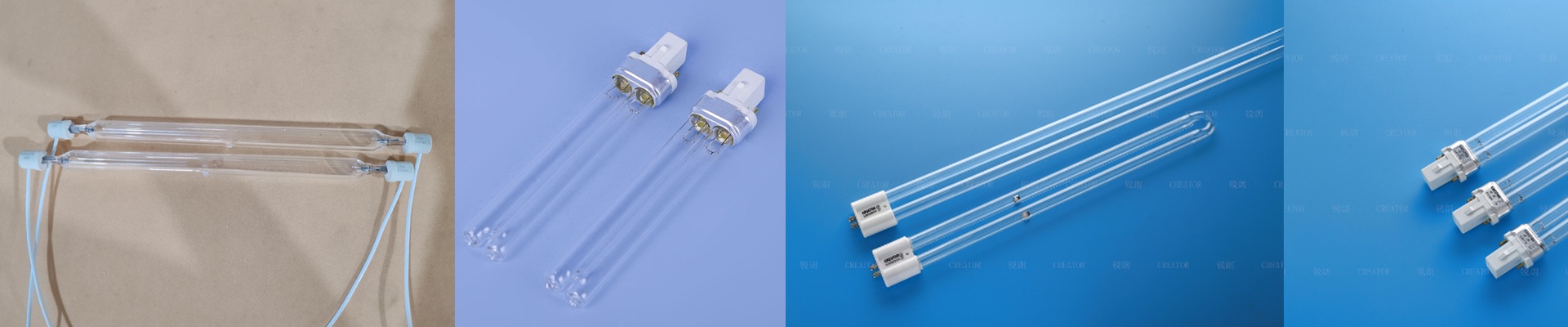
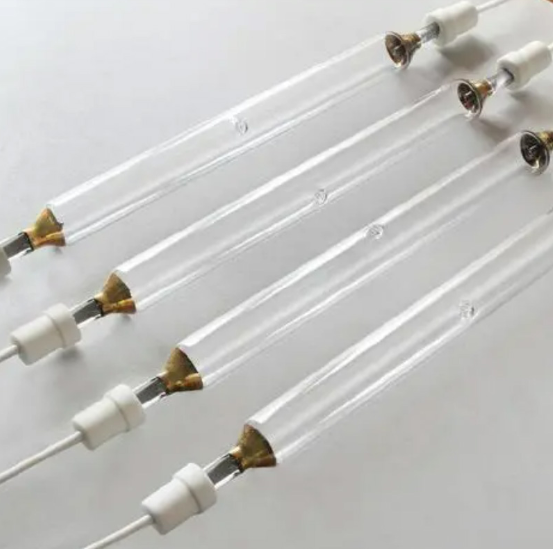
Let’s be honest: UV curing isn’t just about drying ink anymore. These days, it’s more like treating light energy as a precision tool in a massive, automated machine. If you want to hit those crazy production speeds, you can’t just throw raw wattage at the problem. You need lamps that stay steady, cycle after cycle, without drifting. The heat is the real enemy. When we build these lamps, we’re thinking about the stress of running them 24/7. Here is the thing: when you crank up the power to speed up your line, the quartz envelope takes a beating from the heat. If the glass isn’t built for that kind of expansion, it’s going to burn out way too soon. That’s why we use high-purity fused quartz. It lets the UV-C and UV-B wavelengths slide right through instead of getting trapped in the glass. It just needs to work. In a fully automated setup, “reliable” is the only word that matters. You can’t afford to have the whole line grind to a halt because a connector wiggled loose or a lamp shifted an inch in its housing. We obsess over the tiny stuff—the electrodes and the pins. We keep the tolerances tight so that when you plug it in, the connection is solid. If it’s loose, you get arcing. And arcing doesn’t just kill the lamp; it can fry your ballast, and then you’ve got a much bigger headache on your hands. Finding the sweet spot. More power means faster curing. Simple, right? Well, not exactly. There’s a catch. If you blast a thin piece of plastic with too much energy, it starts to warp or turn yellow. It’s a balancing act between how much power the lamp puts out and how fast your conveyor is moving. We give you the raw power, but you’ve got to make sure your cooling system can pull that heat away from the product before things get messy. At the end of the day, we aren’t just shipping you bulbs. We’re giving you the engine for your automation. Get the specs right, and the whole line basically runs itself.