Making Industrial UV Lamps That Actually Last
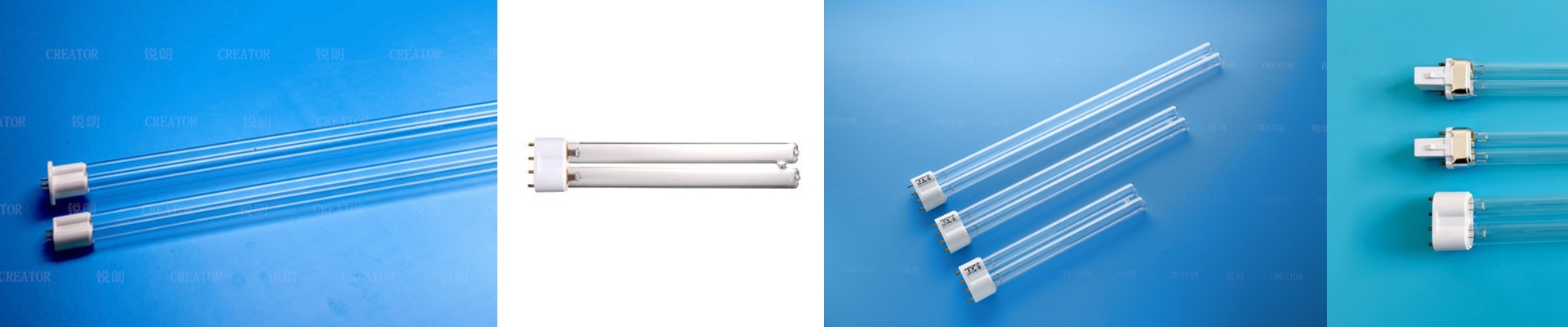
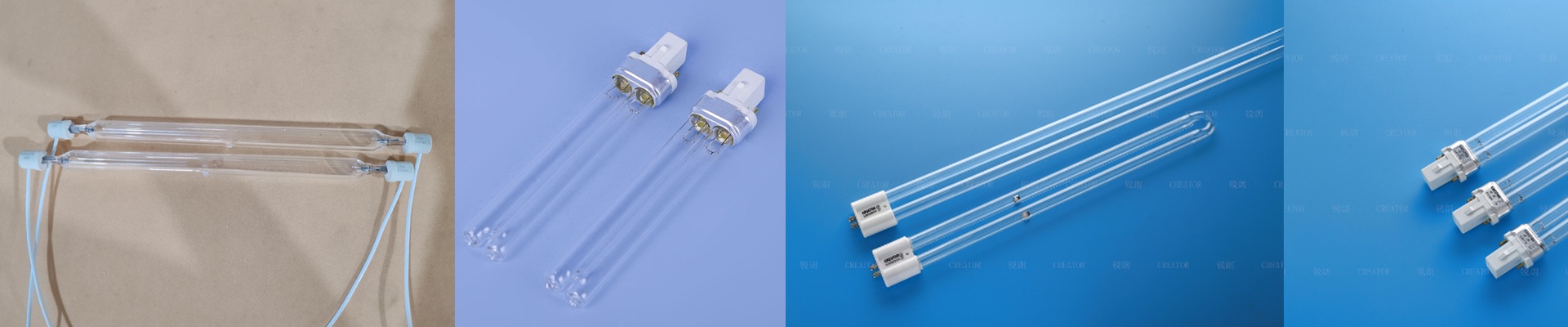
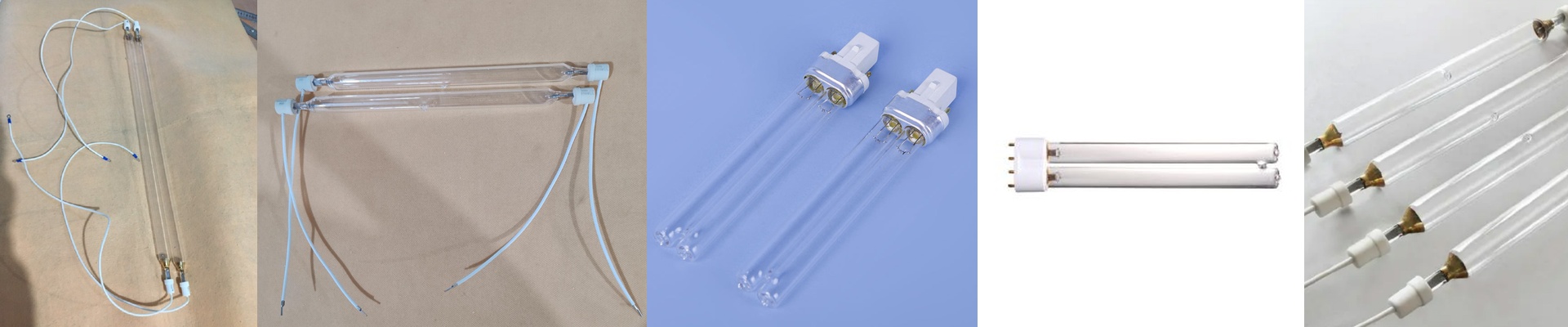
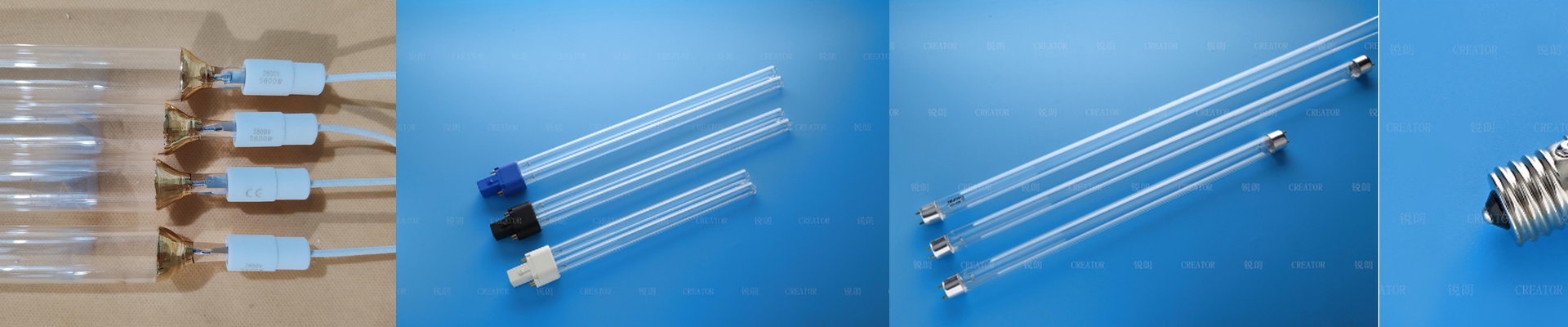
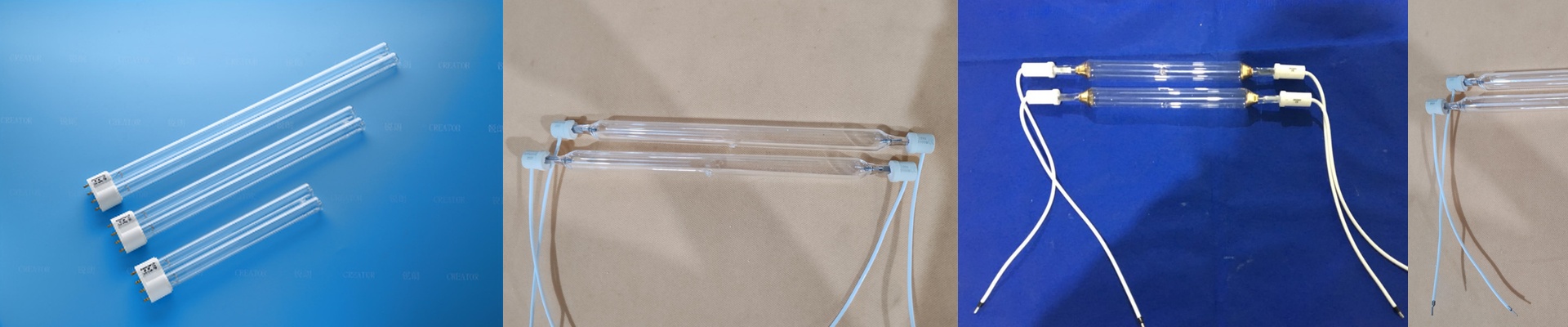
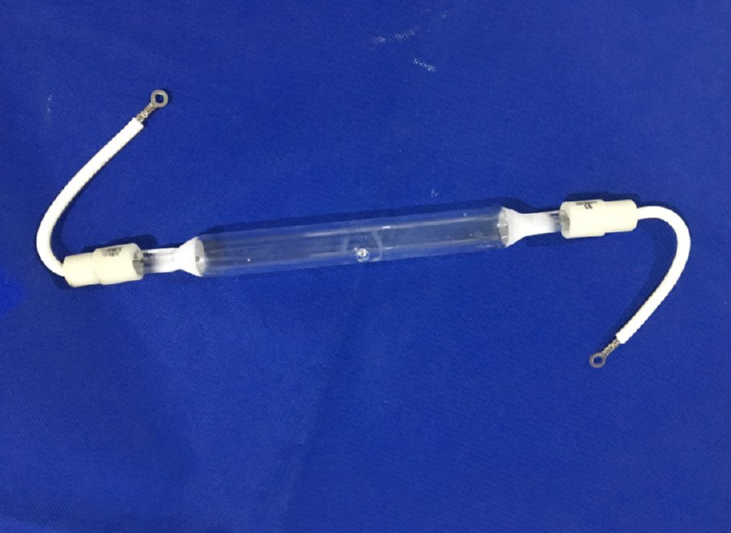
We spent 15 years in the trenches, moving from supplying other brands to finally building our own. Why? Because we were tired of seeing high-pressure mercury lamps give up the ghost the second they were pushed to their limits. Most of the stuff you find on the market just can’t handle the heat of a real industrial cycle. They burn out. They fail. We fixed that by obsessing over two things: the quartz envelope and the chemistry of the electrodes. The reality of high-pressure discharge Here is how it works: you’ve got a plasma arc jumping between two tungsten electrodes. We pack a ton of wattage into a tiny space to give you a concentrated punch of UV-C. That intensity is what makes your curing or sterilization happen fast. It’s powerful. But there’s a catch. These lamps runhot. Like, really hot. If your cooling fans are dusty or your water jackets aren’t doing their job, that quartz will soften and your lamp life will plummet. It’s as simple as that. What goes into the build We don’t cut corners on materials. We use high-purity fused quartz because cheaper glass actually blocks the UV wavelengths you’re paying for. It’s basically a waste of electricity. Then there are the electrodes. We engineered ours to stop “sputtering”—that annoying black gunk that builds up at the ends of the tube. We’ve run these through the wringer against international standards to make sure the light stays steady for thousands of hours. No fading. No surprises. Getting them into your line We designed these to be simple drop-in replacements. The dimensions are tight, so you don’t have to spend your weekend rebuilding reflectors or messing with conveyor heights. Just one tip: make sure your ballast matches the lamp’s voltage and current. If they don’t play nice, you’ll get flickering or the electrodes will just pop. As long as your power is stable, these lamps are built to take a beating in a loud, messy factory environment. They just work.