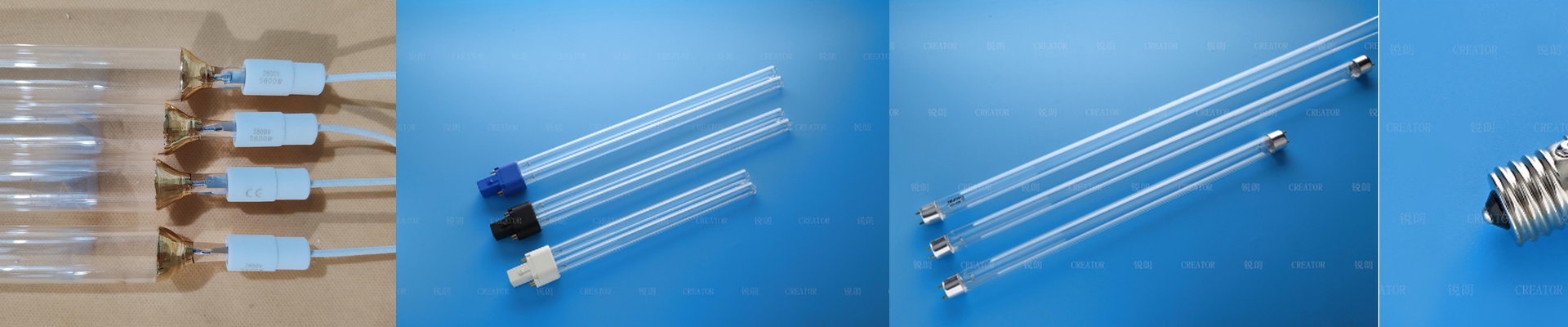
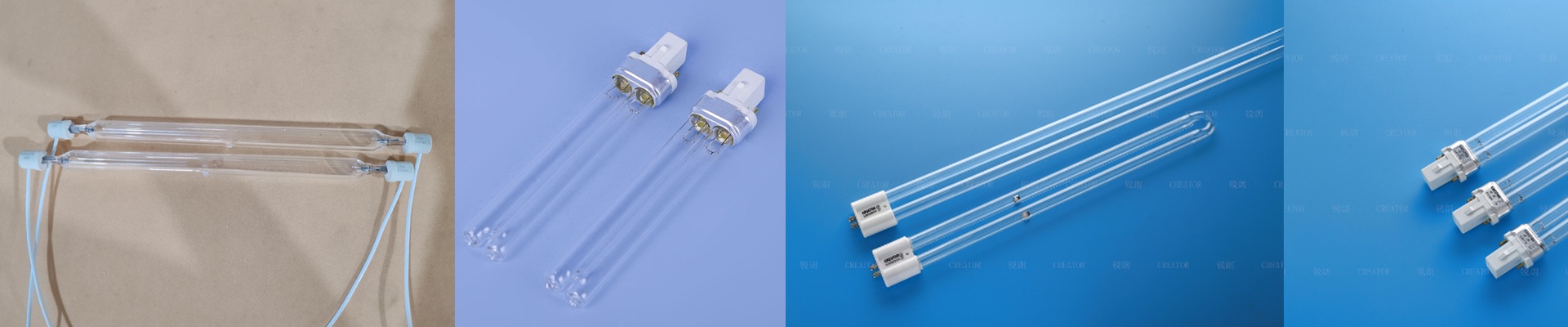
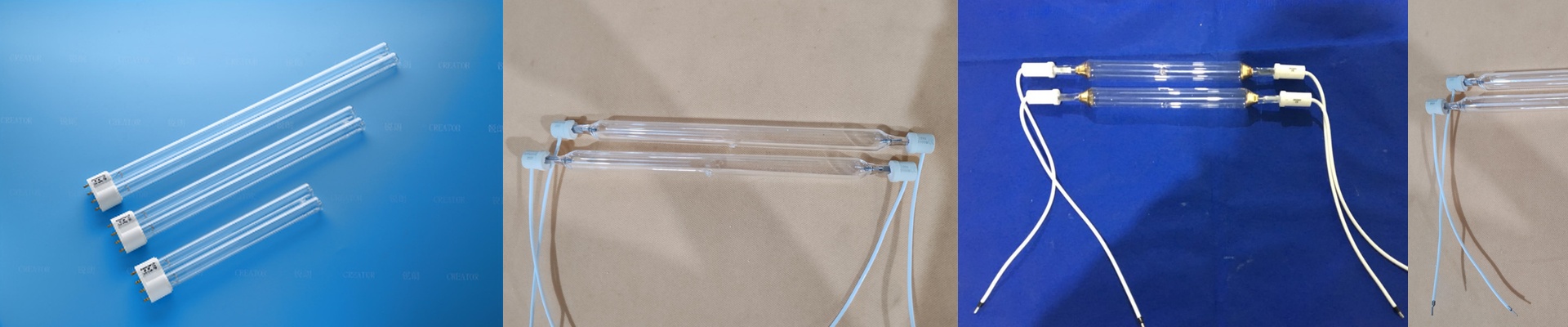
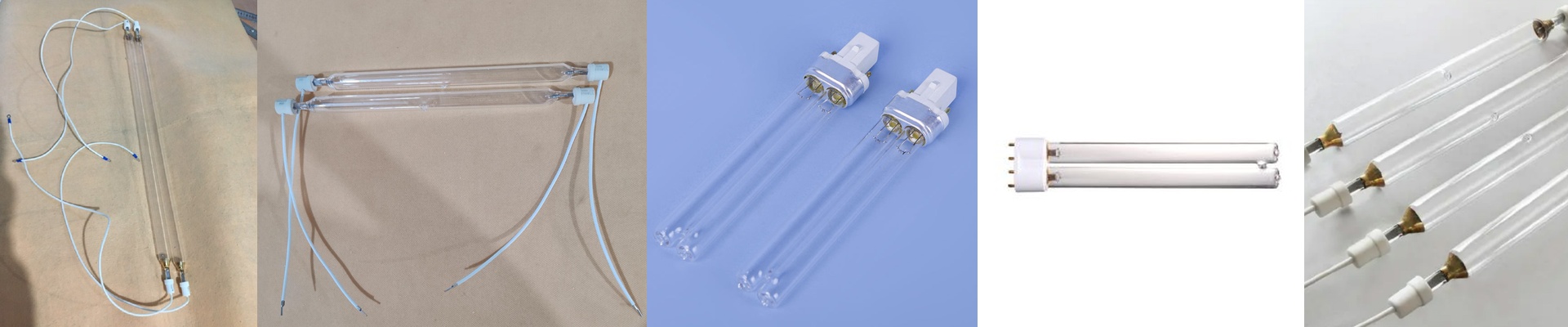
Making the 80W/cm Mercury UV Lamp Actually Work for You
Most folks look at a UV lamp and see a basic tool for drying ink. We see it differently. To us, it’s all about how you deliver energy. When you’re running an 80W/cm mercury lamp, you’re playing a high-stakes game of speed and depth.
Dealing with the Heat
Packing 80W/cm into a small space is a lot of power. It’s exactly what you need if you’re running a conveyor belt at full tilt or dealing with thick, stubborn coatings that just won’t set. The broad spectrum of UVC and UVB light makes sure your resins actually react instead of just sitting there. But here’s the catch:that much power gets hot. Seriously hot. The quartz glass reaches temperatures that can be brutal. This is where a lot of people mess up. If your cooling fans aren’t up to the task or your water-jackets aren’t dialed in, you’re asking for trouble. Your lamp will burn out way too soon, or worse, you’ll end up warping your product.
The Secret is in the Glass
We use high-purity fused quartz for a simple reason: we don’t want the glass soaking up the UV rays. We want those rays hitting your product. Inside, we keep the mercury vapor pressurized. It keeps the arc stable. Why does that matter? Because stability means no flickering. And no flickering means you don’t get those annoying “stripes” or patchy curing across your surface. It just looks clean.
Stop Guessing, Start Measuring
For a long time, the rule was “set it and forget it.” You’d change the lamp every few months because the calendar told you to. That’s a waste of money. Now, we’re hooking these lamps up to real-time sensors. Instead of guessing, you can see the actual mW/cm² output on a screen. When the intensity starts to dip, the system lets you know. It’s a simple shift, but it changes everything. You stop throwing away perfectly good lamps and you stop the line from crashing because a bulb died unexpectedly. It just makes the whole day run smoother.