Stop Guessing Your UV Curing: A Better Way to Handle Lamps and Power
Most UV curing lines are basically “black boxes.” You turn them on, walk away, and hope for the best—right up until a lamp burns out or a batch of parts fails quality control. It’s a stressful way to run a floor. We decided to fix that. By putting remote energy monitoring right into the lamp architecture, we’re taking the guesswork out of the equation. You can actually see what’s happening in real-time.
Why we went modular
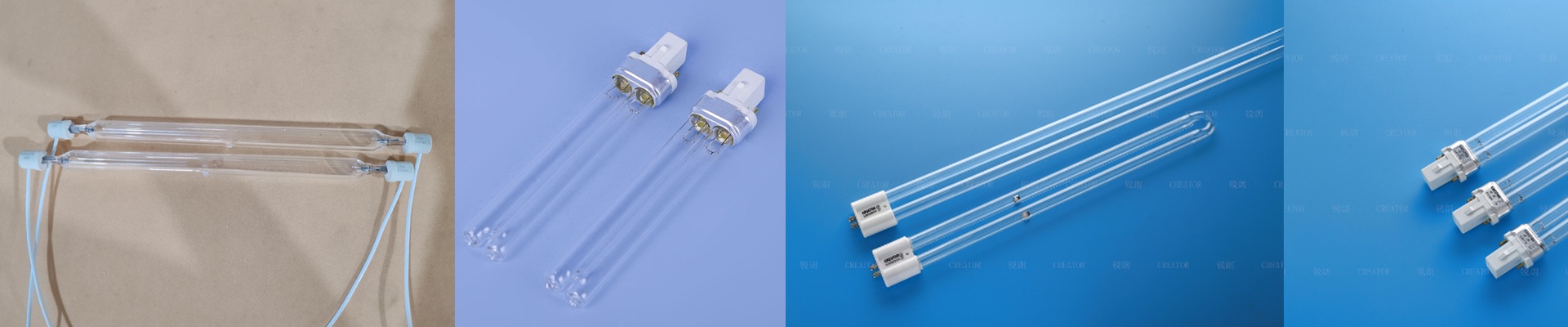
Nobody likes a full-line shutdown. It’s a nightmare. That’s why we build these systems in modules. If one lamp section gives up the ghost, you don’t have to spend your afternoon rewiring the entire conveyor. You just swap the module out. Since the footprint and electrical connections are all standard, it’s a simple drop-in replacement. It turns a multi-hour headache into a few minutes of work.
Tracking the actual power draw
Here is the cool part: smart sensors. Instead of relying on a timer to tell you when a lamp is “old,” we track the actual wattage. UV lamps degrade. It’s just physics. When the energy output dips below a certain point, the system flags it. You aren’t guessing based on a calendar anymore; you’re reacting to the actual health of the lamp. Now, there is a trade-off. To get this kind of insight, your control cabinet will be a bit larger. You also can’t just plug this into a wall outlet and expect it to work. You’ll need a stable network and a dedicated PLC or IoT gateway to handle all that data. It’s an investment, but the visibility is worth it.
What this actually does for your day
When you know exactly how much energy is hitting every square inch of your surface, you can stop wasting power. If a specific part of your substrate doesn’t need a heavy hit of UV, you just dial it back. This keeps the heat down and stops those annoying warped plastics. We stick to the raw numbers—amps, volts, and hours. It makes it much easier to plan your power needs so you aren’t constantly worrying about tripping a breaker during a peak load. It’s just a smoother way to work.