Getting the Hang of UV Curing and Sterilization
Ever wonder how we get ink to stay put on fabric without it smudging the second it leaves the printer? We use UV technology. Basically, we’re using light to “snap-cure” the ink and sterilize the fabric at the same time. The goal is simple: the fabric moves down the conveyor, hits the light, and the ink turns solid instantly. It locks right into the fibers. No smears. No mess.
How it actually works
It all comes down to short-wave ultraviolet radiation. Think of it like a trigger. When those photons hit the photoinitiators in the ink, they start a chemical chain reaction that turns liquid into a solid polymer. But here’s the catch: you have to get the math right. We look at the irradiance (the power of the light) and how fast your conveyor is moving. If you crank up the speed but don’t have enough wattage, you get “under-cure.” That’s the nightmare scenario where the print just rubs right off the fabric.
The gear and the trade-offs
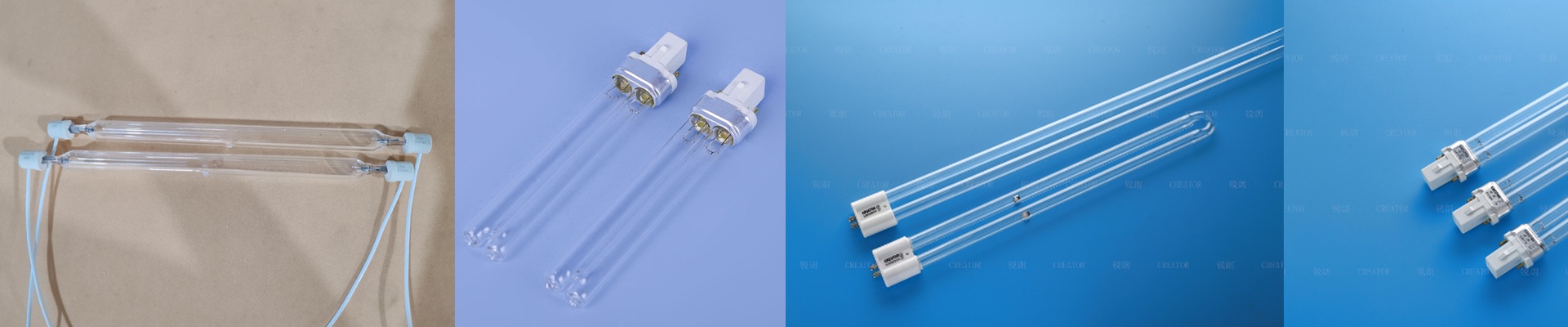
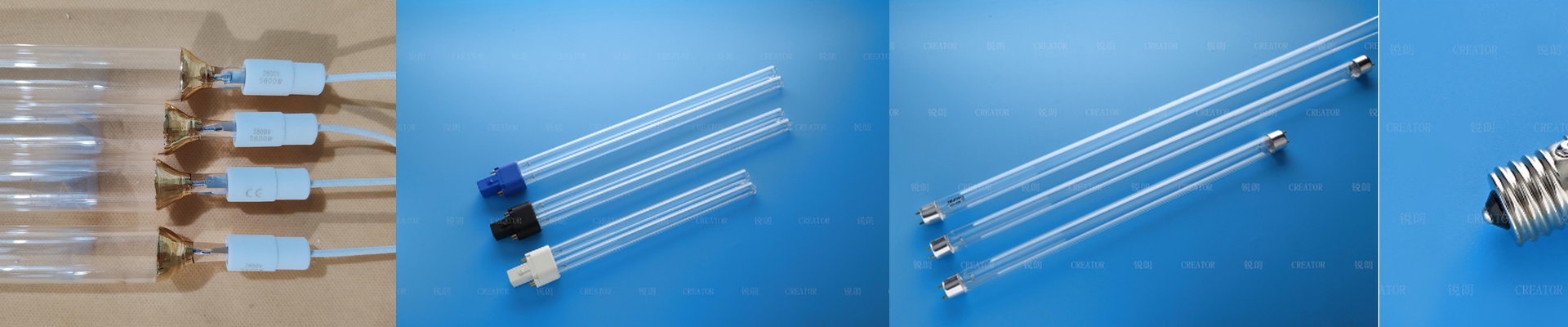
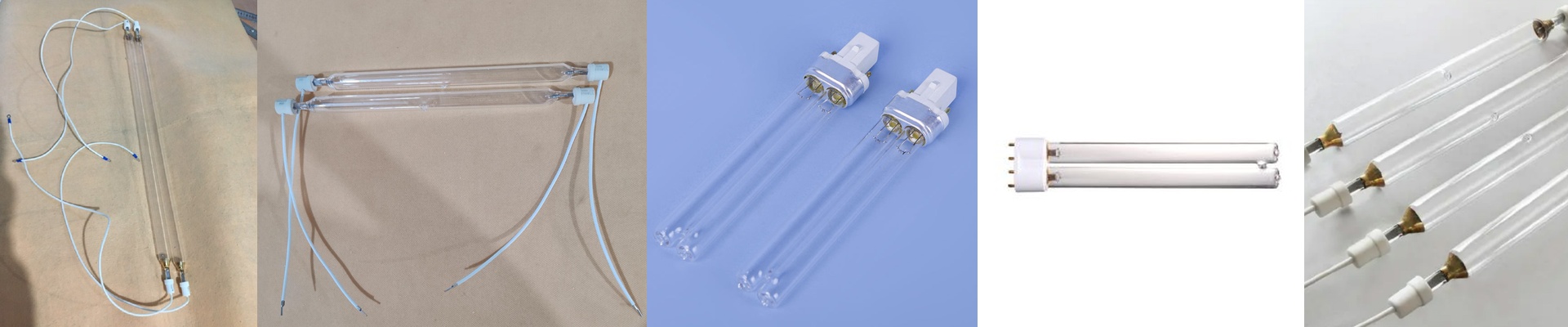
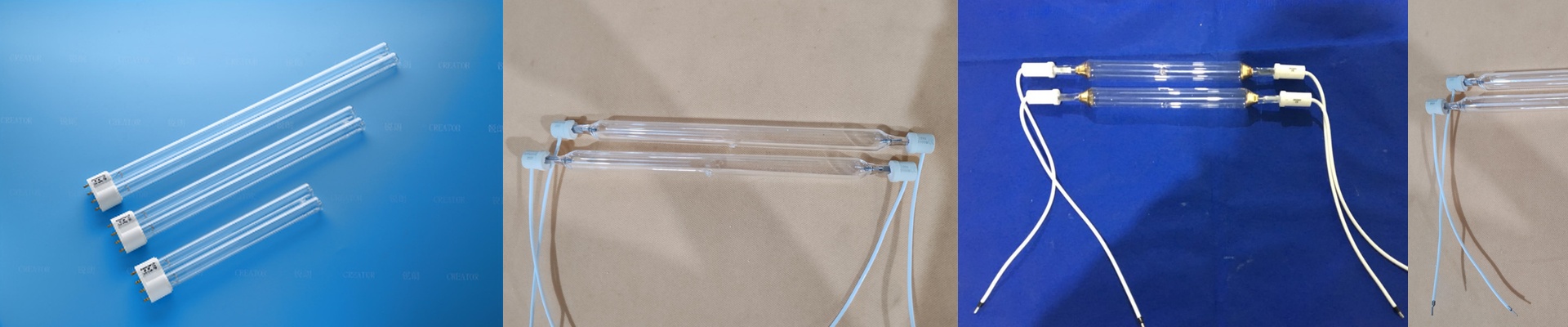
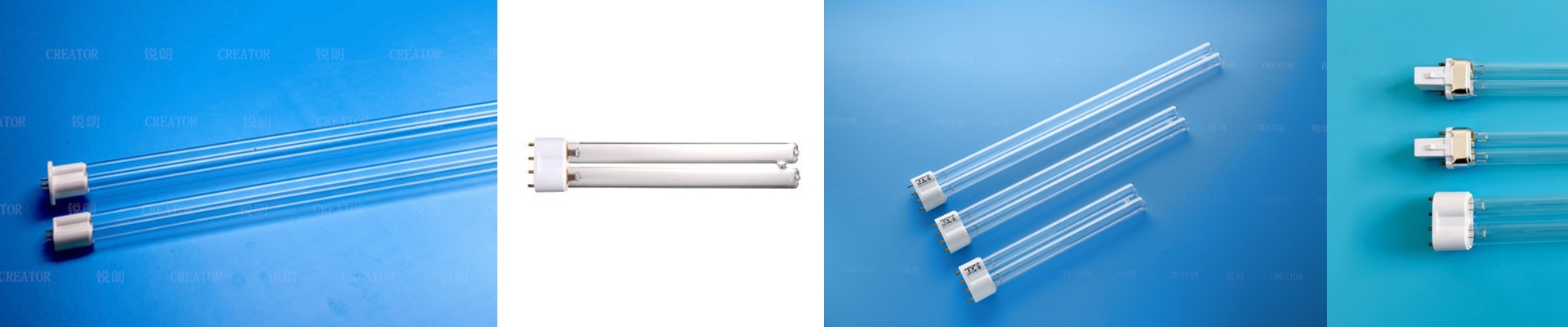
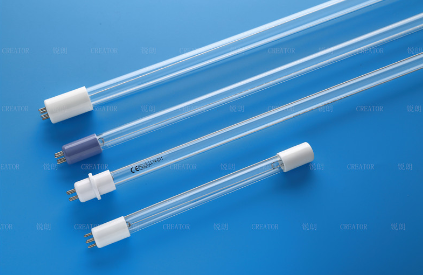
Most of our industrial setups use LED arrays or high-pressure mercury vapor lamps. We house them in quartz sleeves because quartz lets the UV light pass through without blocking it. We also use quick-swap connectors. Why? Because when you’re on the shop floor, the last thing you want is a long outage just to change a part. But you can’t just throw max power at everything. There’s a tug-of-war between power and heat. A high-wattage lamp cures the ink fast, but it also dumps a ton of IR heat into the material. If you’re working with a delicate fabric, it might shrink or even scorch. In those cases, you’ll need a filtered lamp or a cooling system to keep things chill.
Keeping it running
Wiring these systems is a bit finicky. You need a very stable voltage. If the power fluctuates, you get flicker, which leaves these annoying, uneven curing stripes across your fabric. And please, keep an eye on the quartz tubes. Dust and ink splatter happen. But if you let that grime build up, it creates hot spots that can actually crack the glass. My advice? Give them a weekly wipe-down with some isopropyl alcohol. It keeps the output steady. Just remember that these lamps don’t last forever. Once the gas inside starts to degrade, the light shifts and your cure times will start to drift. Keep a close eye on it.