

Getting the Spectrum Right: The Fight for 0.5% Precision
Most UV lamps you’ll find on the market are “close enough.” They give you a general range of output, and for a lot of people, that works. But if you’re doing precision curing or working with semiconductors, “close enough” is a nightmare. We spent a long time in R&D trying to tighten that spectral energy concentration down to a 0.5% tolerance. Basically, we wanted to pack all that energy into one narrow band instead of letting it bleed across the spectrum. It’s the difference between a flashlight and a laser.
How we actually did it
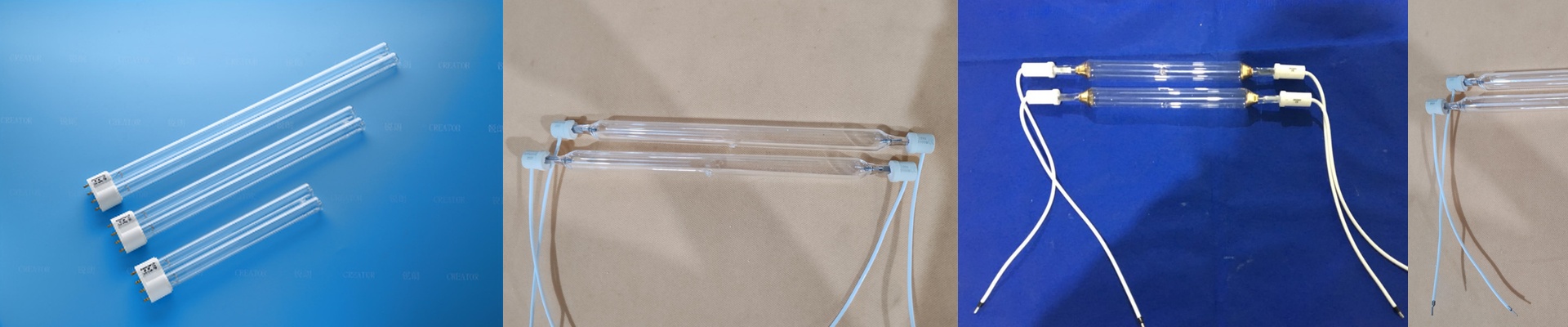
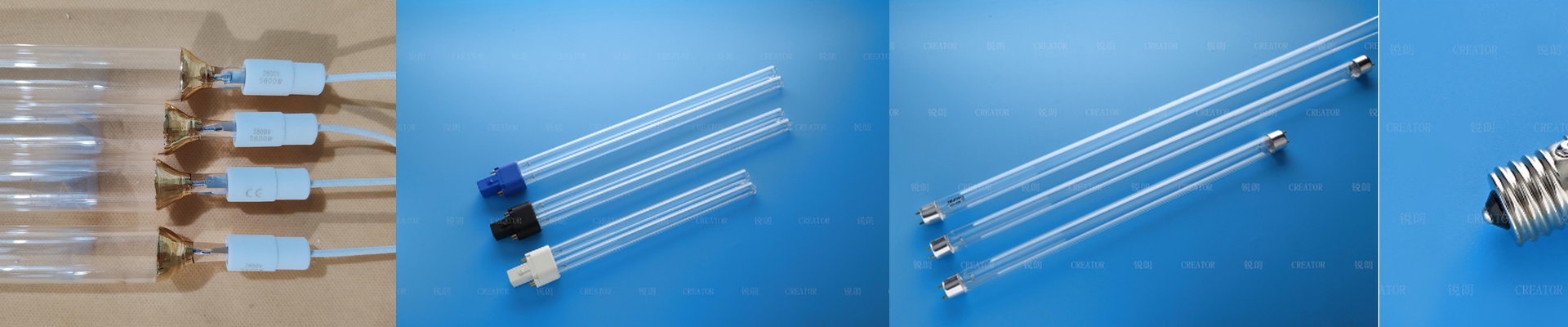
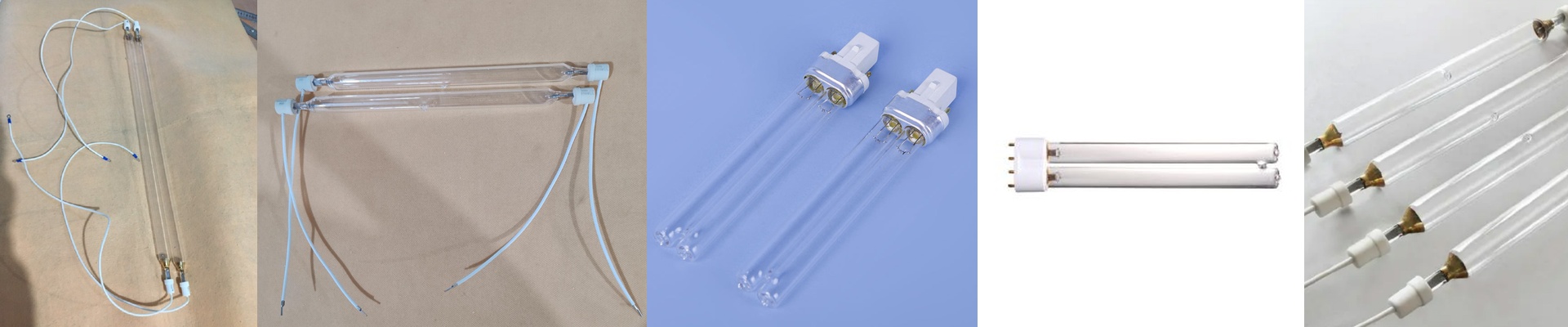
Hitting that 0.5% mark wasn’t easy. We had to rip apart the way we handled the gas mixture and the electrode geometry. We switched to high-purity synthetic quartz because standard glass just eats too much UV. If there are impurities in the quartz, the whole spectrum shifts. We also got obsessive about the electrode materials. Why? Because if the arc drifts, the energy concentration vanishes. We keep the plasma column dead-center to stop “hot spots” from widening the spectral peak.
The tricky part (and the trade-offs)
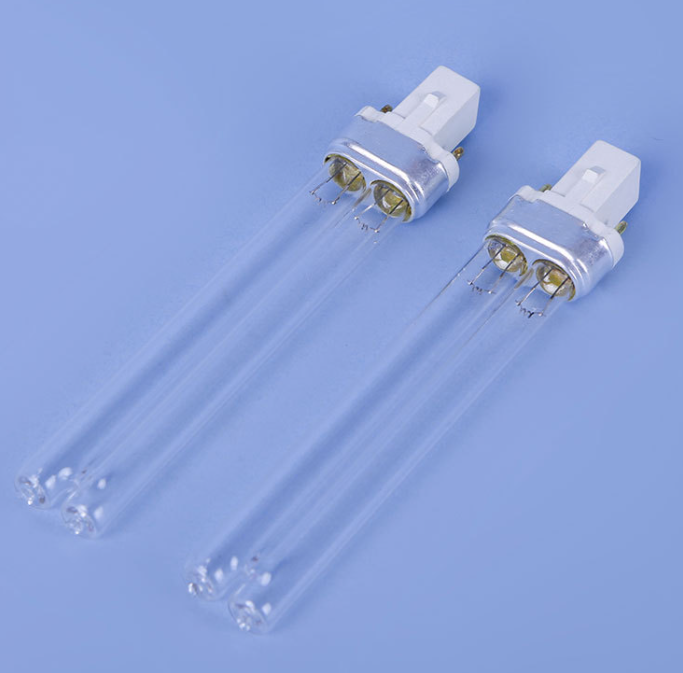
We use fused silica for the envelope. It handles the heat beautifully, but it makes the tubes incredibly brittle. Pro tip: Do not touch these with your bare hands. The oils from your skin create tiny stress points. You won’t see them, but the moment the tube heats up for the first time, it can crack. We also tightened the tube diameter tolerances. We’re talking 0.1mm. If the diameter is off by even that much, the internal pressure changes and your wavelength shifts.
Making it work on your floor
Here’s the thing: you can have the perfect tube, but if your ballast is shaky, it doesn’t matter. A fluctuating power supply will kill that 0.5% precision instantly. You need a regulated power source to keep that energy band tight. If your current ripples, your spectral peak drifts. These lamps fit right into your existing setups as drop-in replacements, but they’re a bit more demanding. Give them clean power, and they’ll do exactly what they’re supposed to do.