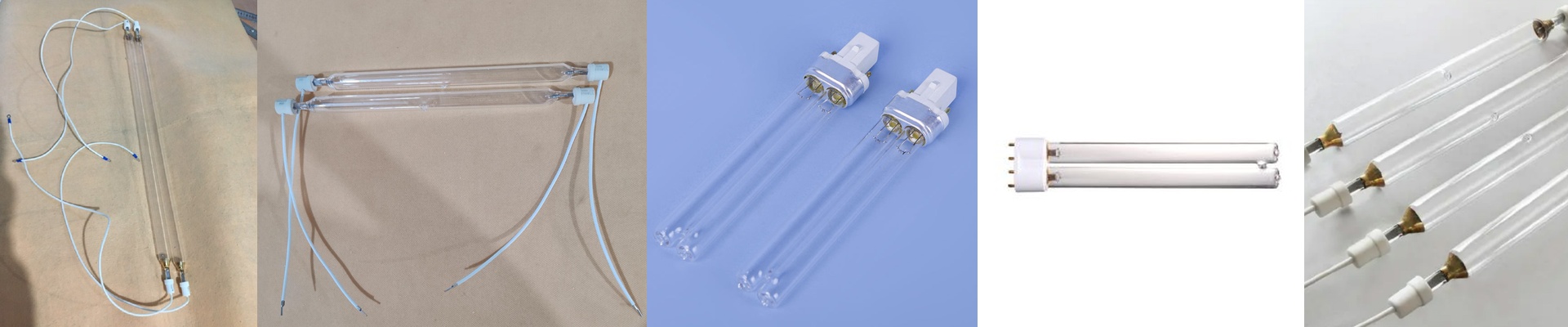
Getting Your UV Wavelength Exactly Right
Most UV lamps you can buy off the shelf are kind of… messy. They throw out a broad spectrum of light, which sounds great until you realize that for most OEM projects, that extra light is just waste. Whether you’re curing resins or killing germs, the chemistry only cares about one thing: hitting a very specific nanometer peak. If you miss that mark, the lamp isn’t doing its job.
Tuning the Light
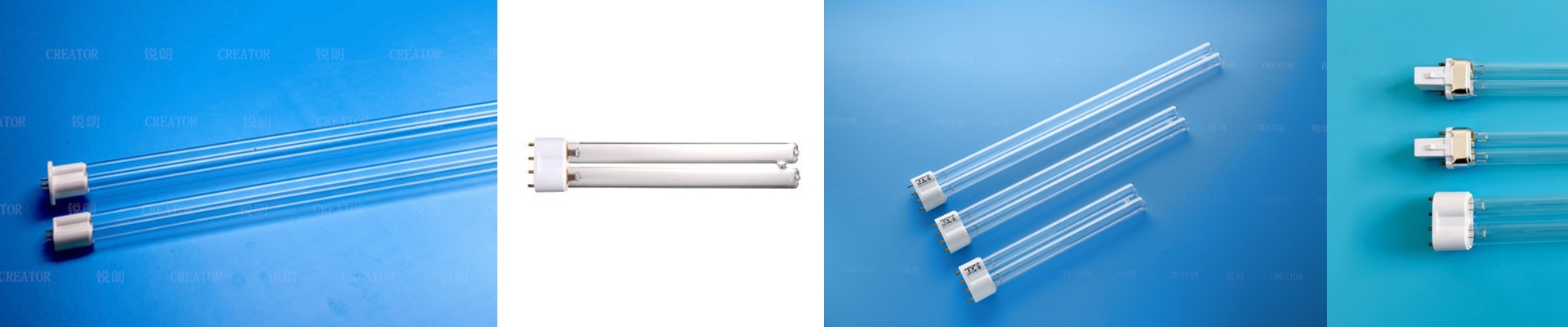
We don’t just stick a filament in a tube and hope for the best. In the lab, we mess with the gas mixtures and the electrode materials to shift where that light peaks. Take germicidal work, for example. If you need a sharp 253.7nm hit to actually kill pathogens, we tweak the mercury vapor pressure and the tube diameter. We do this to cut out the “noise”—those parasitic lines that don’t help the reaction but do make your chassis run hot. It’s about putting the energy where it actually belongs.
Heat and Hardware
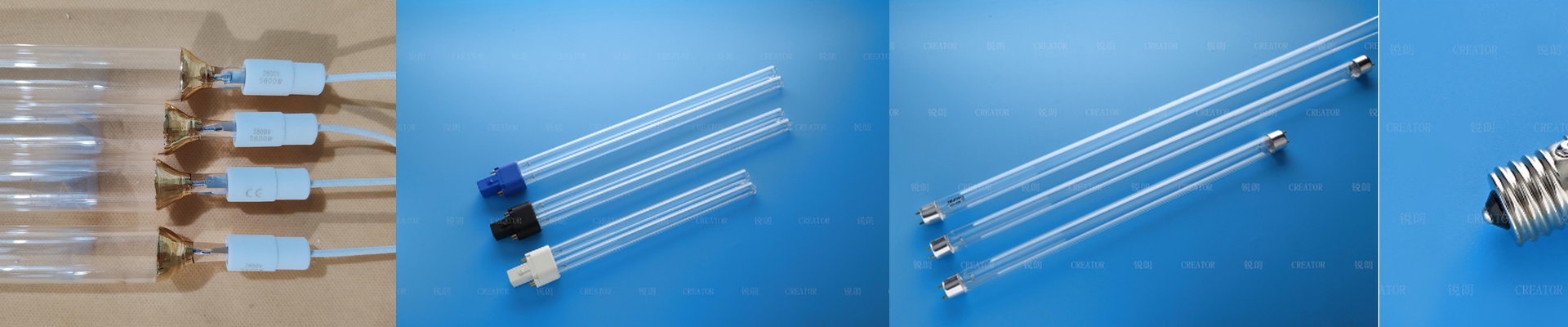
Fitting these lamps into a tight custom space is always a balancing act. You want power, but power creates heat. The end-caps on high-wattage tubes get incredibly hot. To stop the gas from leaking during those heat cycles, we use reinforced quartz seals. They hold up. But here’s a heads-up: you’ve got to get your cooling fans right. If the airflow is weak, a high-intensity array will literally bake its own reflectors. We’ll give you the raw thermal dissipation data so you can pick the right heat sinks before you spend time and money on a prototype.
Making it Work in the Real World
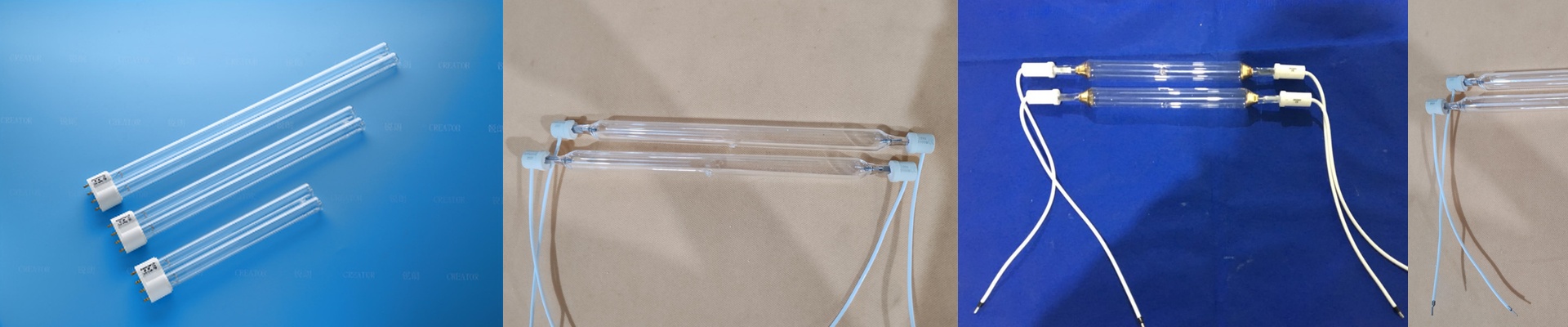
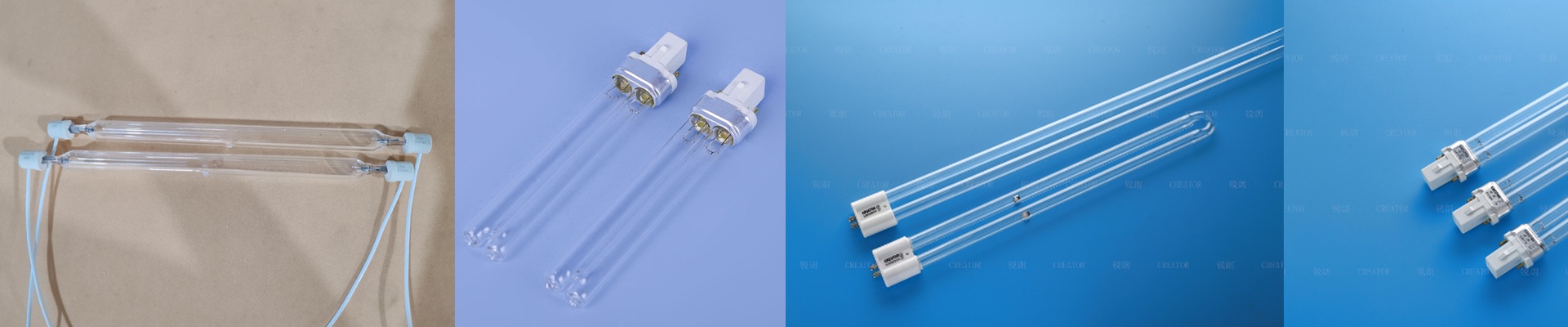
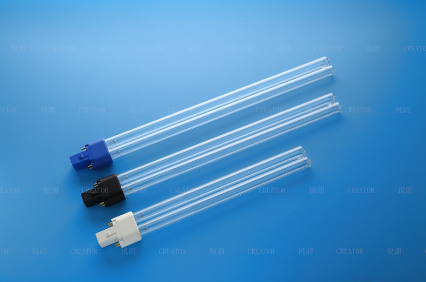
We design these to be easy to drop into your system. Custom lengths, specific pin setups—whatever you need. We keep the tolerances tight so nothing drifts out of alignment over time. We also obsess over “burn out” rates. If you’re running 24/7, your UV output is going to dip slowly over thousands of hours. That’s just physics. Instead of leaving you to guess, we provide the decay curve. You can plug that right into your system’s timers to account for the loss in intensity. That way, your production line doesn’t suddenly fail a quality check halfway through the lamp’s life because the light got too dim.