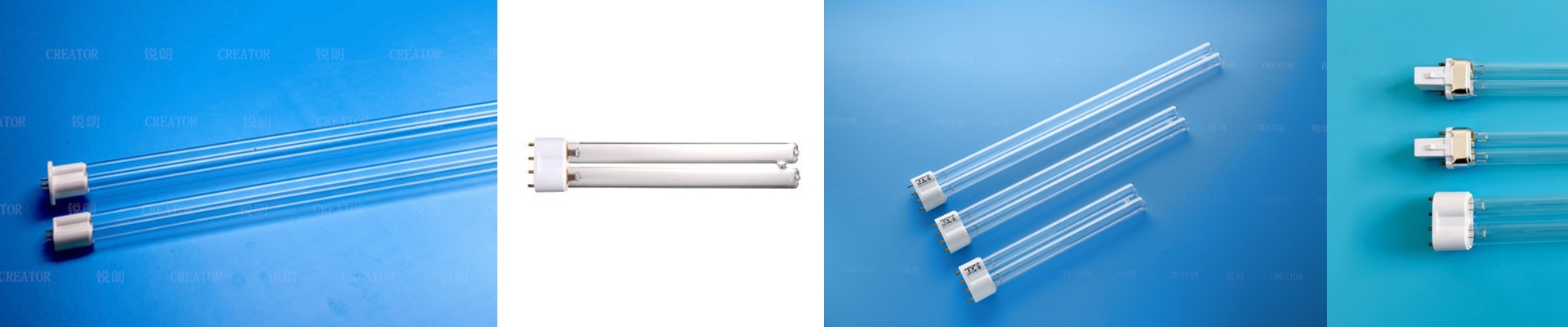
We Spent 15 Years in the Shadows. Now, We’re Talking.
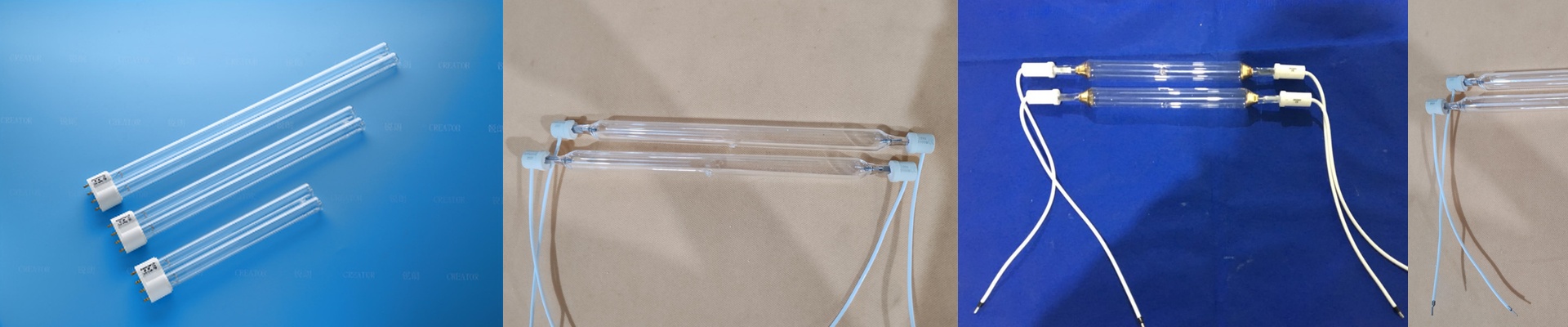
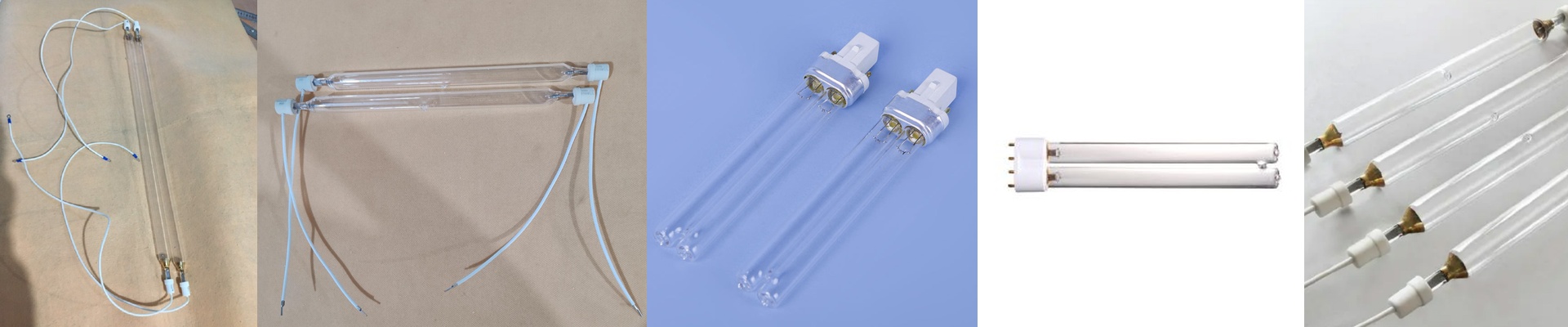
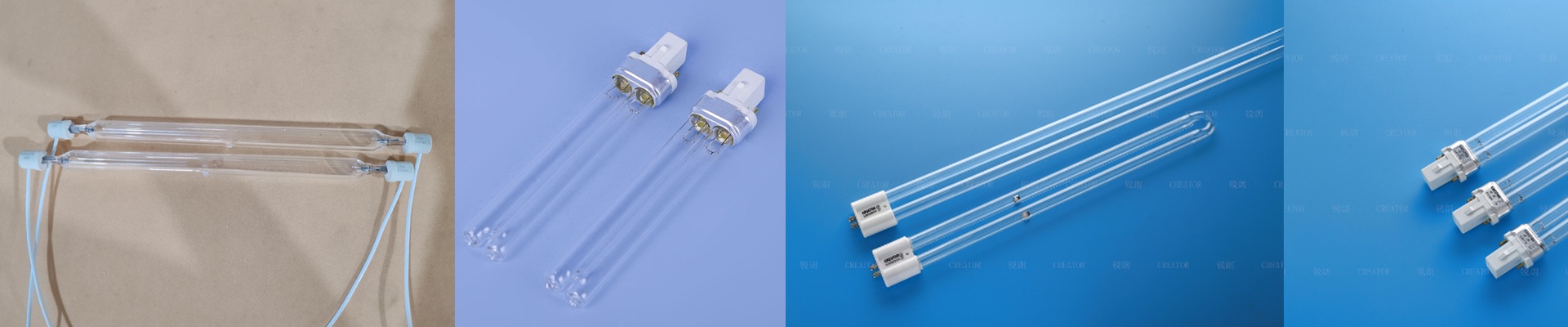
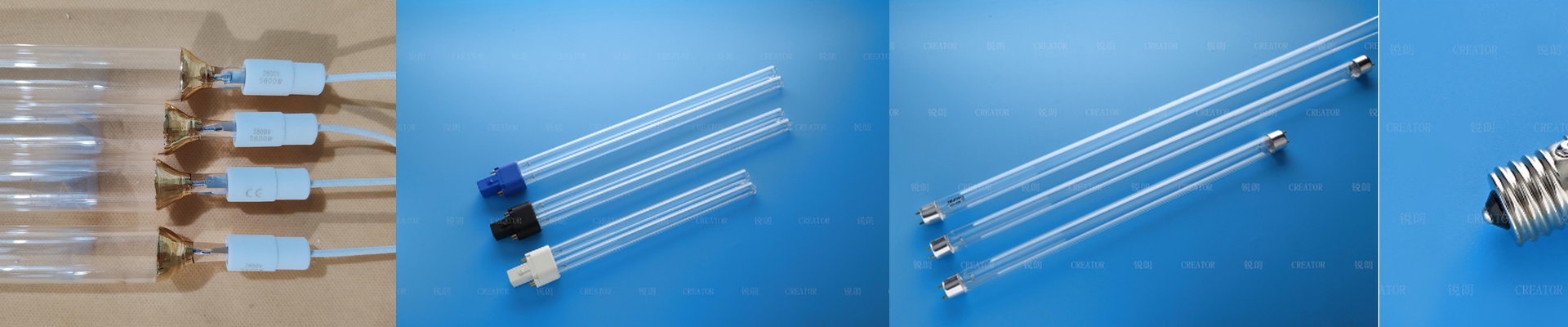
For a long time, we were the “secret sauce” for the big global brands. We spent 15 years behind the scenes, building the UV lamps that kept industrial curing lines humming along. We’ve seen it all. We know exactly why lamps die in the field, why they flicker, and how to stop it from happening. After a decade and a half of trial and error on the factory floor, we decided it was time to stop being the silent partner and just sell directly to you.
The Struggle with Heat and Light
Here is the deal with UV lamps: it’s a constant fight between power and heat. When you push a high-wattage lamp, you’re dealing with an insane amount of heat density. If the quartz glass isn’t pure, it starts to darken—what the engineers call “solarization.” Suddenly, your UV rays are getting trapped inside the glass instead of hitting your product. That’s why we use high-purity fused quartz. It keeps the light moving and the lamp clear.
The Parts That Actually Matter
Most wholesale lamps fail at the electrodes. It’s the weakest link. To fix that, we use specialized alloys that can handle the stress of being turned on and off all day without burning out. Whether you need a weird length or a custom wattage, we’ve dialed in the internal geometry to kill off those annoying hotspots. And the gas? We’re obsessive about it. If the fill pressure is off, you get flickering and uneven curing. We keep it tight so the arc stays rock steady.
Making it Work in Your Shop
You don’t need to rewire your whole plant to use our stuff. Our lamps are designed to be simple drop-in replacements for the big-name brands. They fit the same footprints and plug right in. But a quick heads-up:watch your cooling. These lamps put out a ton of heat. If your conveyor fans are clogged with dust or just aren’t strong enough, the lamp is going to burn out faster—no matter how well we build it. Physics is a stubborn thing. We build our lamps to take a beating, but they still need to breathe.