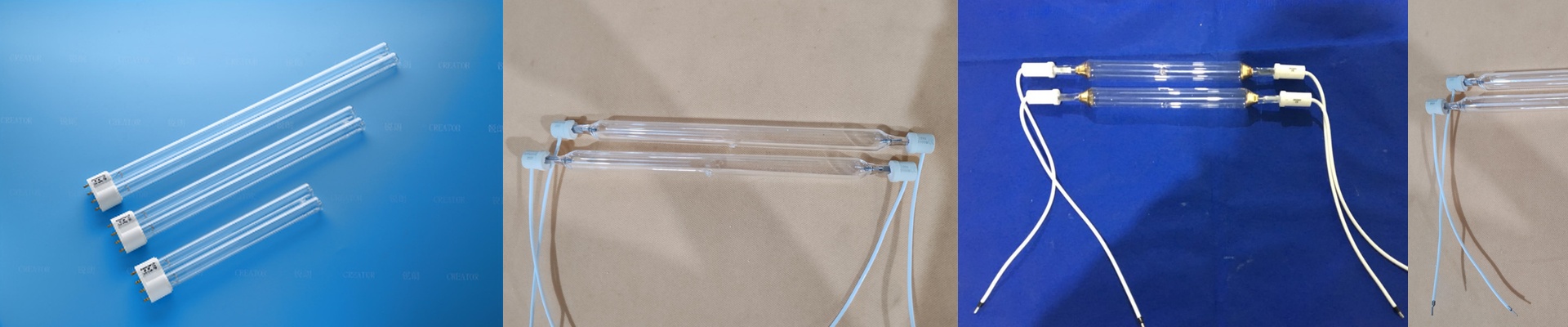
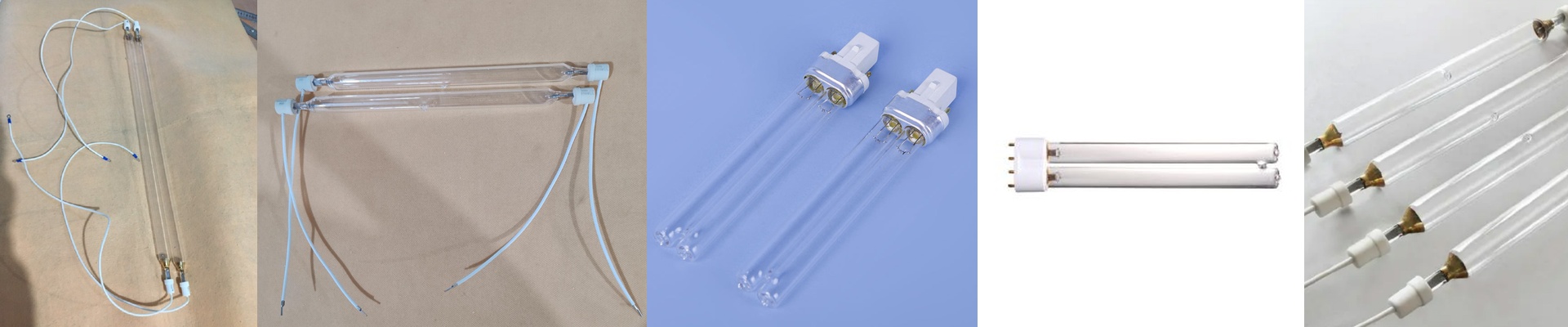
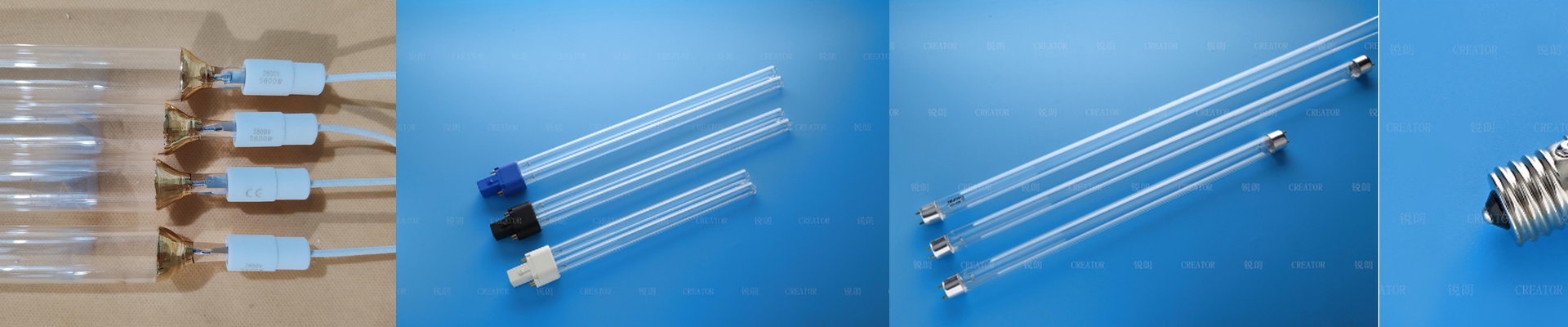
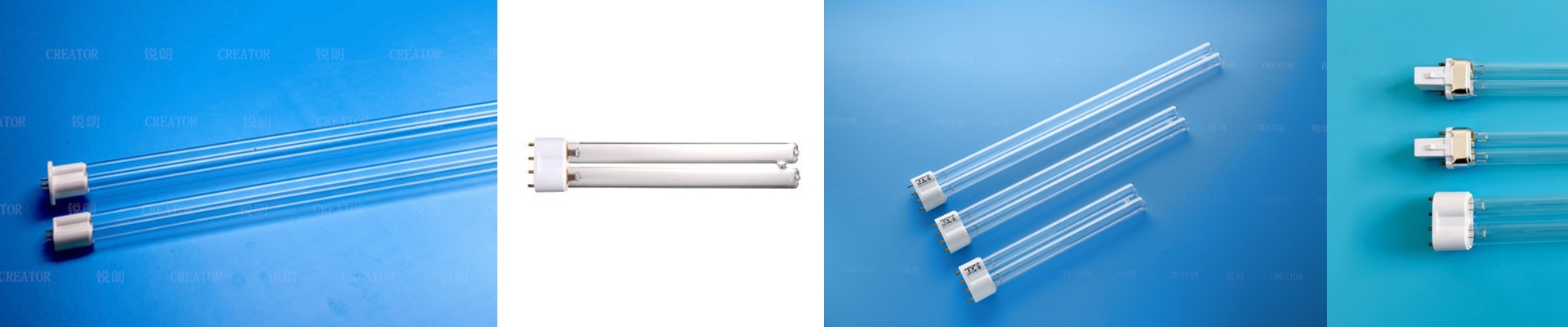
Getting High-Speed Printing Right with Gallium Iodide Lamps
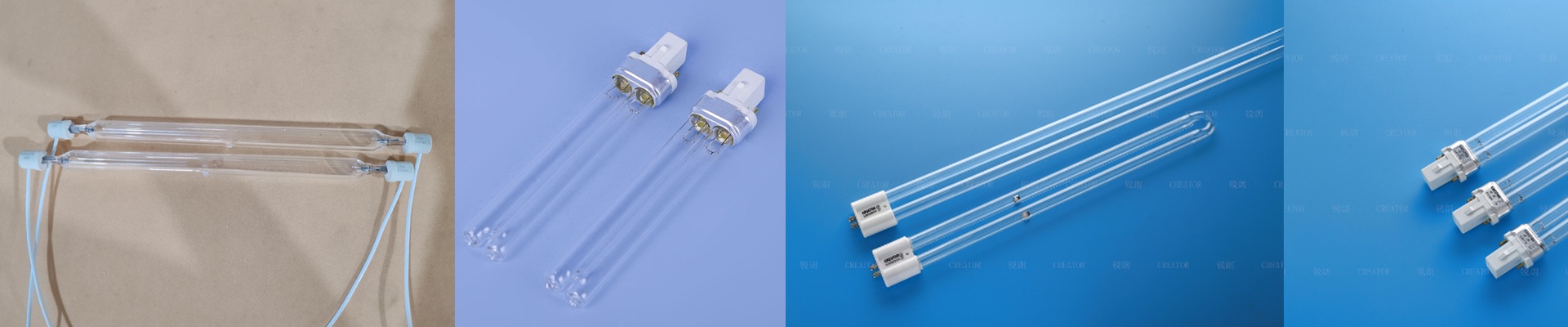
We didn’t build our custom gallium iodide UV modules just for the sake of it. We did it because we kept seeing the same headache in industrial printing: standard mercury lamps just couldn’t cut it. If you’re dealing with thick ink layers or those stubborn specialized coatings, you need a specific kind of punch. You need that short-wave UV-C and UV-B output to actually penetrate the material, not just sit on the surface. The heat is the real challenge. Here’s the thing about gallium iodide. We can tune the wavelength to match your photoinitiators perfectly, which is great. But high wattage means heat. Lots of it. If your cooling fans or water jackets aren’t up to the task, you’re going to have problems. Undersized heat sinks put too much stress on the quartz envelope, and before you know it, your lamp life plummets. It’s a simple balance: more power equals a faster cure, but you’ve got to keep it cool. Making it actually work in your shop We design these as custom modules or simple drop-in replacements. The wiring is easy enough, but don’t cut corners with the ballast. If the impedance doesn’t match the lamp, you’re looking at a premature burnout. We also use high-grade quartz. Why? Because nobody wants “solarization”—that annoying clouding of the glass that slowly kills your UV output. Real-world results We saw this in action at the 2026 printing exhibition. In a high-speed line, the window between the ink hitting the page and the cure happening is just a few milliseconds. It’s a blink of an eye. Our modules provide that instant “freeze” for the ink. No smudging, and more importantly, no scorching the substrate. Now, look, these will pull more power than an LED array. There’s no way around that. But when you’re running high-volume industrial jobs and need raw, heavy-duty irradiance, this is still the way to go.