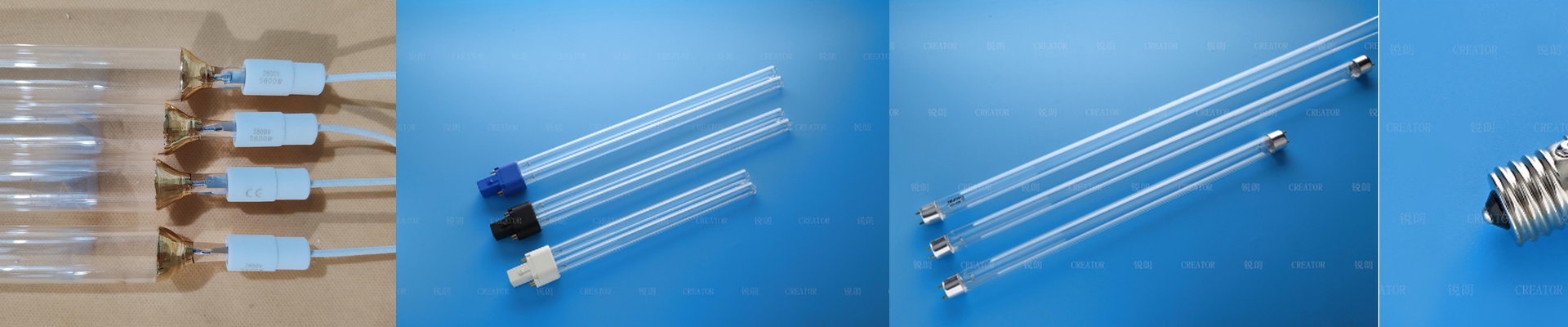
Making Gallium Iodide Lamps Work for Your Shop
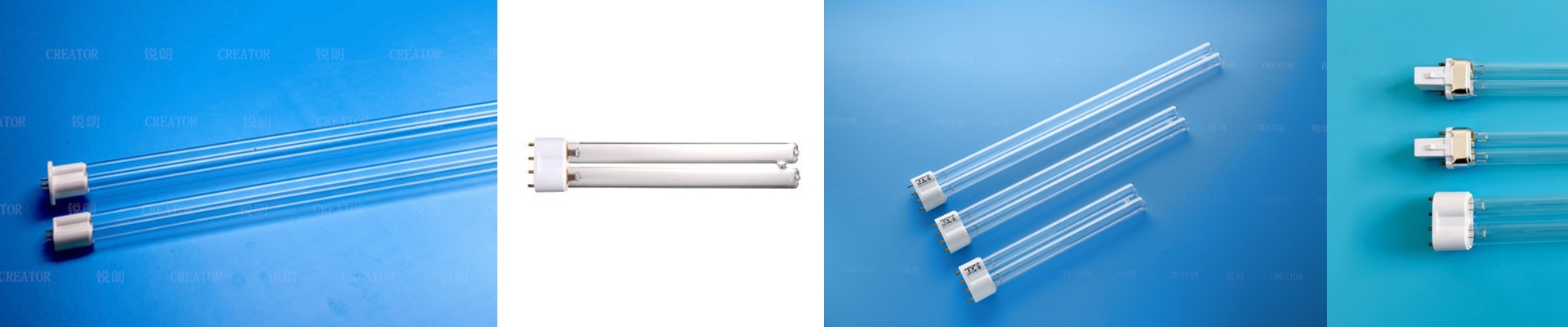
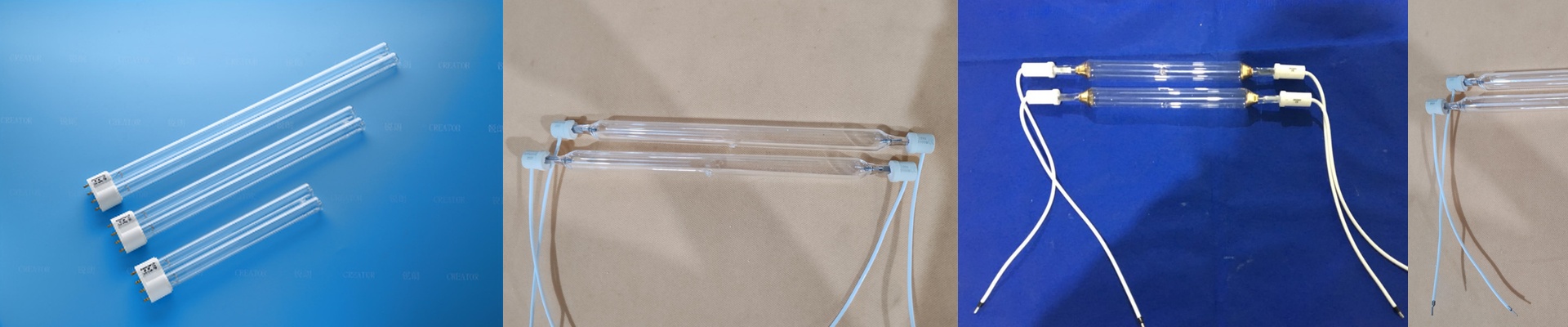
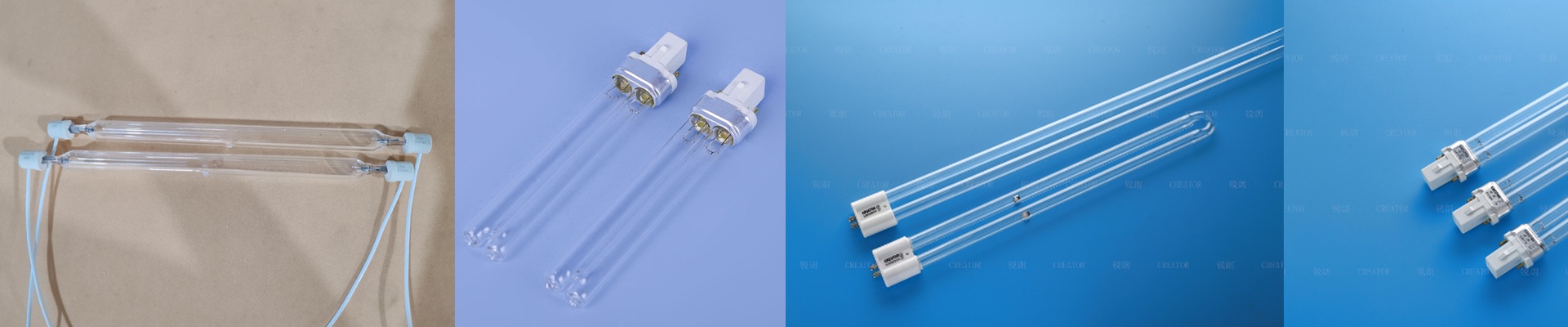
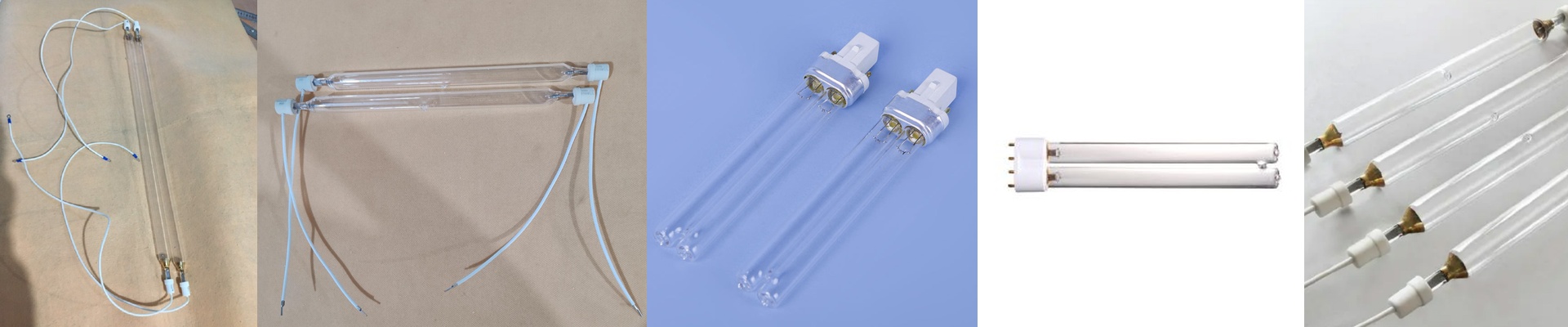
If you’ve been using standard mercury lamps, you know they’re the old reliable. But sometimes, they just don’t cut it. Maybe you’re working with thick ink layers or some stubborn adhesives that just won’t set. That’s where Gallium Iodide (GaI) lamps come in. We build these specifically for the smaller shops that need a bit more punch without having to rip out their entire power system and start from scratch.
The Heat and the Hustle
Here’s the deal: GaI lamps shift the light spectrum. They hit that long-wave UV range much harder, which means those pigments that usually stay tacky actually cure. The result? You can crank up your line speed. It’s a huge win for productivity. But there’s a catch.**These things run hot.**Like, really hot. If your cooling fans are choked with dust or your heat sinks are too small, you’re going to have a bad time. You’ll either see your output tank or your bulbs will pop way sooner than they should. Keep them cool, and they’ll keep working.
The Nitty-Gritty of the Build
We spend a lot of time obsessing over the quartz envelope and the electrodes. Why? Because a tiny leak in the seal means the gas escapes, and your expensive lamp becomes a paperweight in a few weeks. We also know that older printing presses can be temperamental with voltage spikes. We build our lamps to take those hits without flinching. Plus, we can customize the length to fit your exact machine. There’s nothing worse than “zebra striping”—those annoying uneven cured lines on the edges of your print. A perfect fit means a perfect cure across the whole sheet.
Getting It Up and Running
Look, most of you don’t need a million-dollar curing line. You just need something that wires up fast and actually lasts. We make these to work with the ballasts you already have. You just swap the tube, tweak your conveyor speed, and you’re back in business. One last tip:**Keep your reflectors clean.**It sounds simple, but dust on the mirror kills your UV dose. When that happens, you’re forced to either slow down your production or pump up the power, and that’s a quick way to kill your lamp’s lifespan. Just keep it shiny.