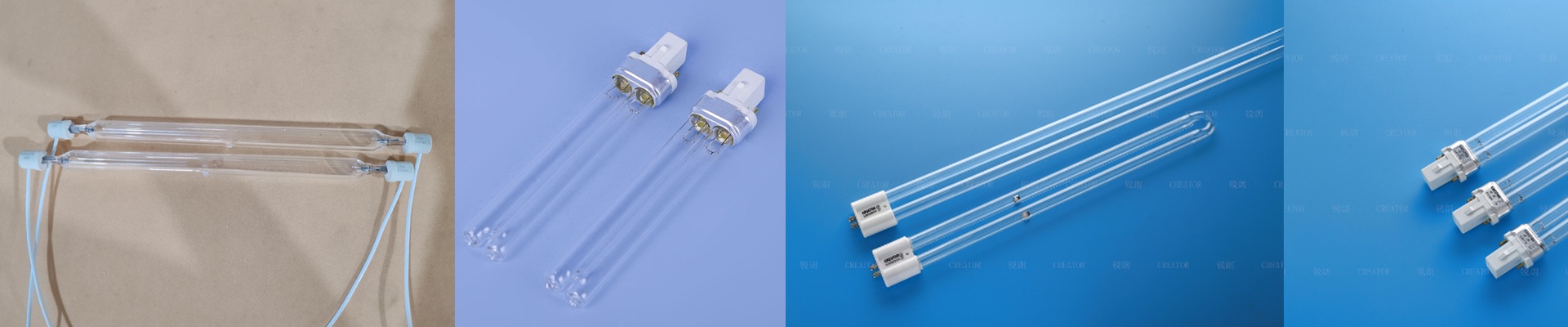
Getting Your Custom Gallium Iodide UV Lamps Right
If you’ve been using standard mercury lamps, you know they have their limits. That’s where Gallium Iodide (GaI) comes in. We basically shift the UV light toward the longer end of the spectrum. Why bother? Because it lets the light sink deeper into your materials. If you’re working with thick resins or tricky coatings, this is the way to go.
The Nitty-Gritty on Power and Light
Most UV lamps hit their peak at 254nm. By adding gallium to the mix, we push that output toward 310nm and 405nm. It’s a different kind of punch. But here’s the thing: you have to be careful with your power specs. More wattage means more heat hitting that quartz glass. We can tweak the voltage to fit your current ballast, but don’t try to cram too many watts into a short tube. If you do, you’ll just burn out the ends prematurely. Not a great way to spend your budget.
Heat, Glass, and Staying Clear
We use high-purity fused quartz. We do this so the glass doesn’t “solarize”—which is just a fancy way of saying it won’t get cloudy and useless over time. If you’re building these into your own brand’s gear, we can even add coatings to the envelope to bounce the UV light right back into your workpiece. One warning, though.Watch your cooling. These lamps put out a lot of infrared heat along with the UV. If your airflow is weak, the tube overheats. When that happens, the light spectrum shifts and your lamp life plummets. Keep it cool, and it’ll last.
Making it Fit Your Gear
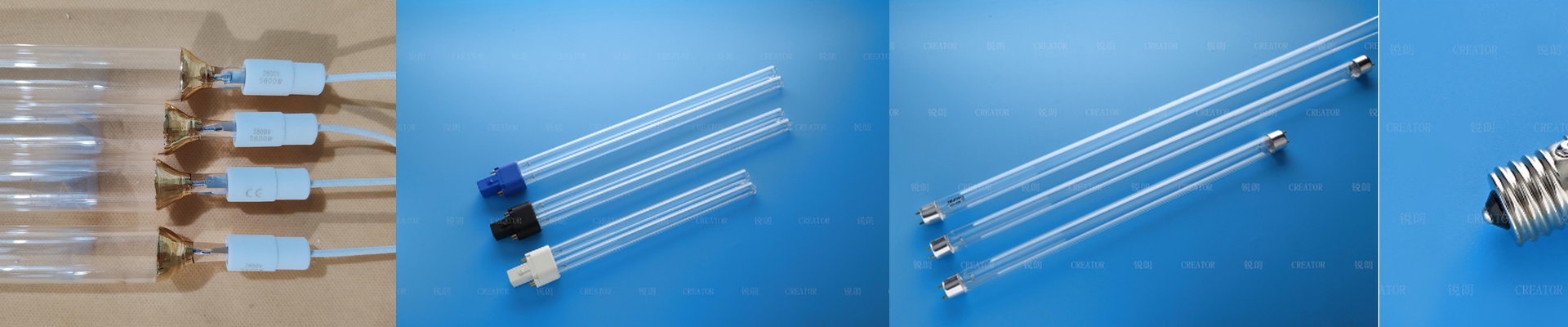
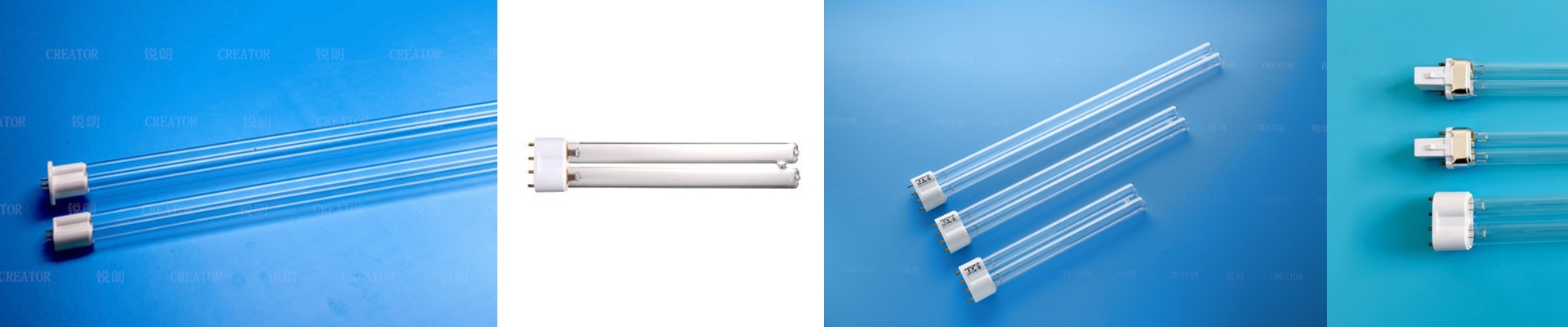
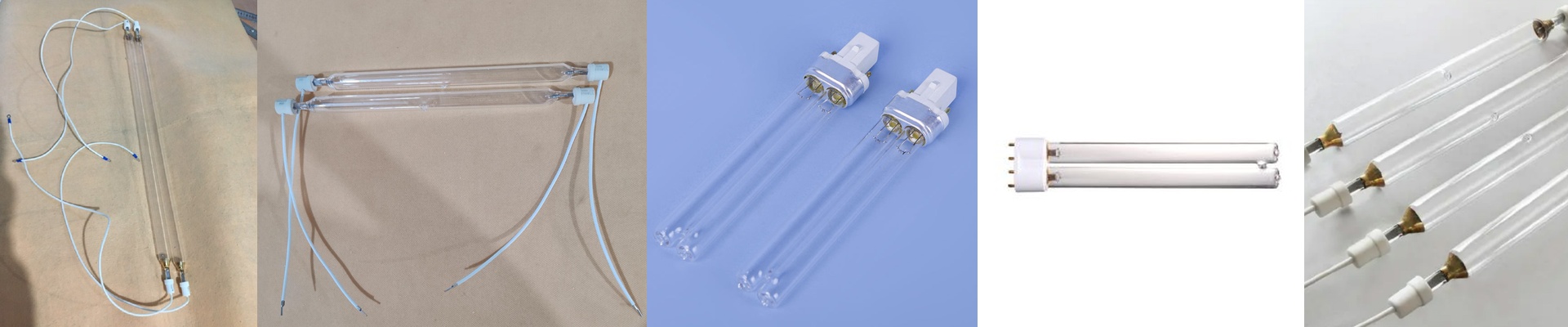
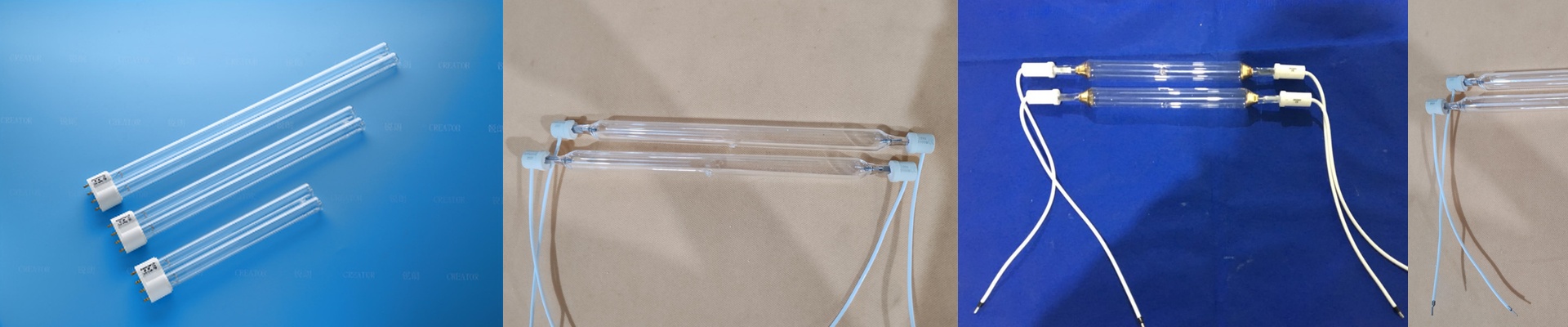
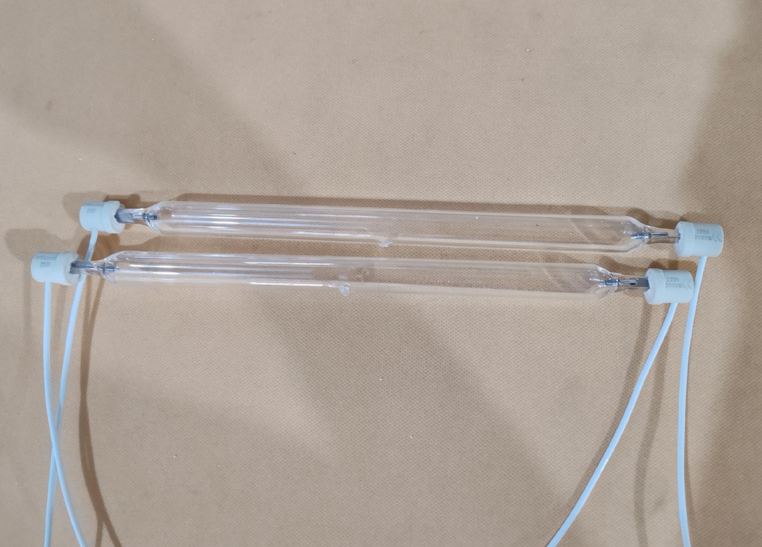
We don’t just sell “off the shelf.” We can build these as simple drop-in replacements or design them from scratch to fit your specific machines. Need a weird length? Specific end-caps? A certain wiring setup? We’ve got you. We can handle all the labeling and brand authorization, so when the hardware ships, it looks like it came straight from your own factory. Whether it’s a custom footprint for a conveyor belt or a specific connector to make wiring a breeze, we build it to your CAD drawings. Just a heads-up: if you ask for incredibly tight tolerances on the length, remember that the glass needs a little room to breathe and expand when it gets hot. Give it a bit of space.