Getting UV Curing Right in Your Textile Shop
Most people don’t think about what happens behind the scenes of a finished garment. But if you look closely, UV curing lamps are basically the secret sauce. They handle the heavy lifting—bonding chemicals and finishing surfaces—without anyone even noticing they’re there. We don’t just sell you a bunch of bulbs and wish you luck. We help you figure out the whole radiation setup, whether you’re trying to dry ink fast or keep synthetic fibers from acting up.
The tricky part of textile lines
Here’s the thing: you can’t just throw one light source at a full production line and call it a day. Different stages need different wavelengths. Take polyester ink curing. You need high-intensity UV lamps to kickstart that polymerization process. If you get it right, the ink locks in instantly. It won’t migrate, and it definitely won’t wash out in the first laundry cycle. But there’s a catch. You have to be careful with the power. Crank the wattage too high? You’ll scorch the fabric or end up with thermal shrinkage. Too low? The ink stays tacky and ruins everything. We spend our time balancing the lamp length and output so it actually matches how fast your conveyor is moving.
Hardware that can actually take a beating
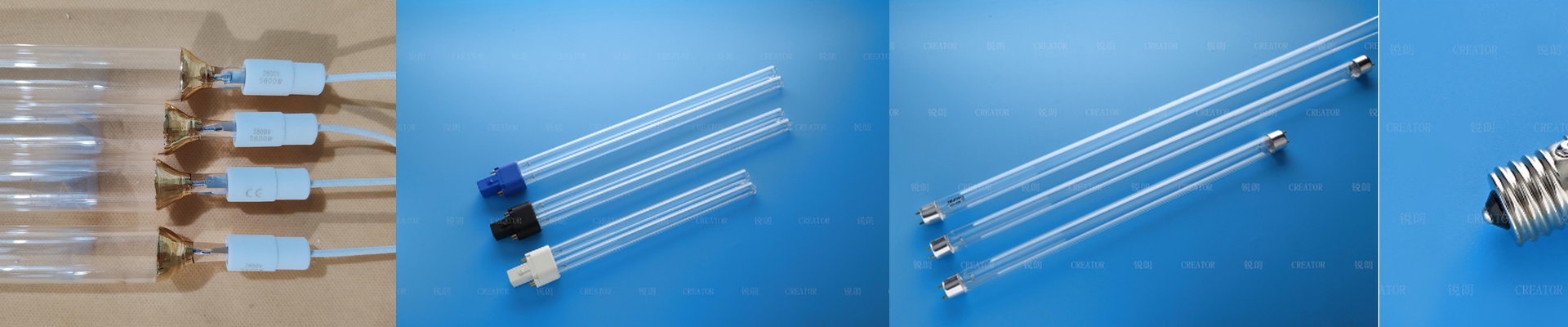
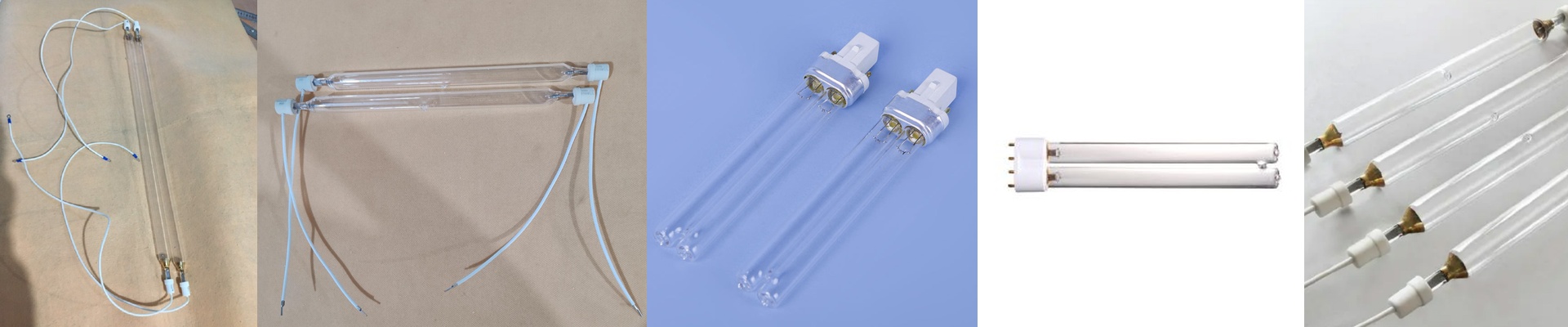
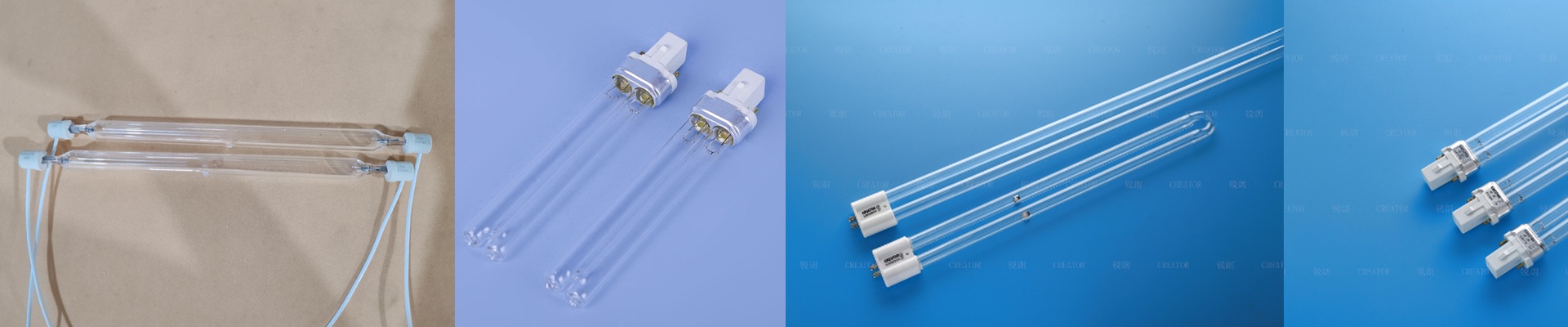
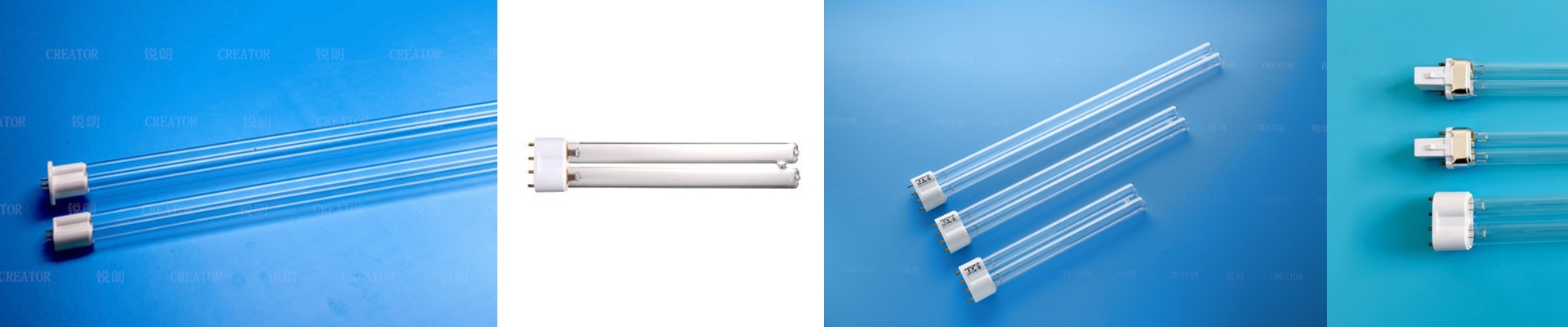
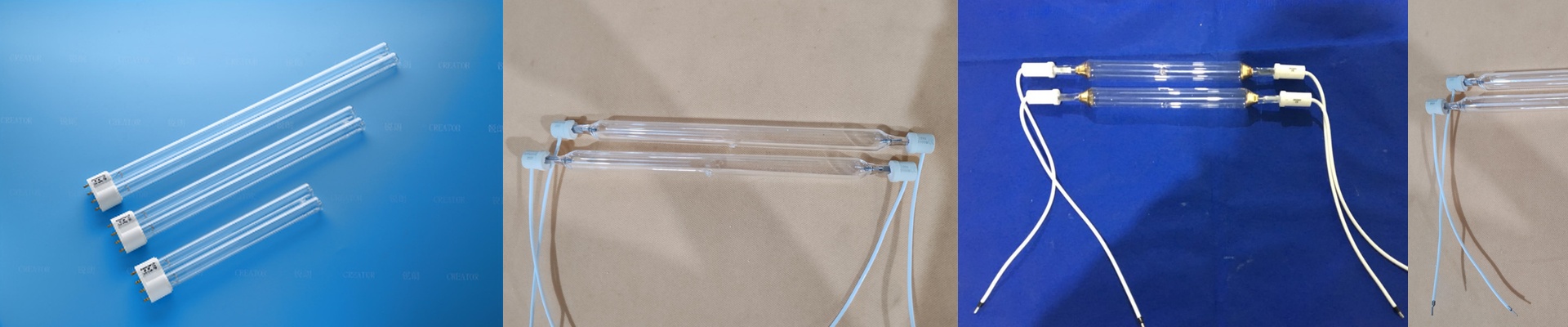
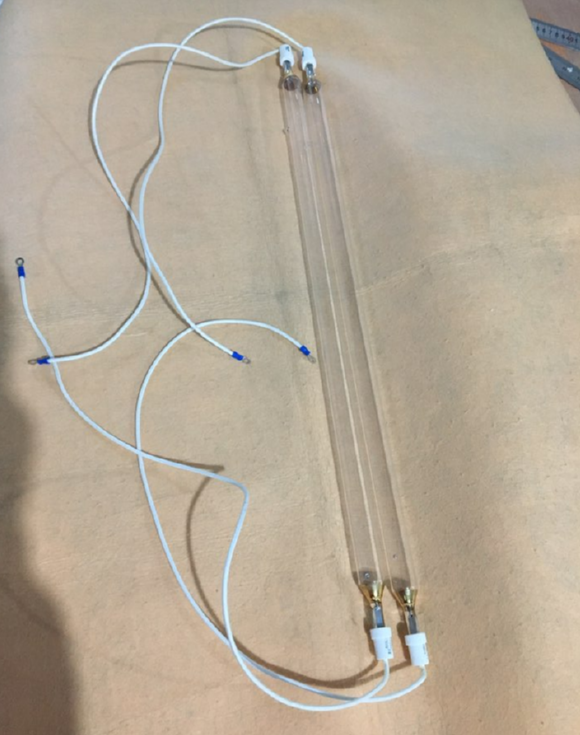
Factories are dusty. They’re messy. Your gear needs to handle that. We use quartz glass envelopes for our lamps. They let the UV light through perfectly but can stand up to those nasty chemical vapors floating around the shop. And we know how annoying it is when a part doesn’t fit. That’s why we offer a ton of connector options. Whether you’ve got specific pins or need heavy-duty sockets, we make sure the lamps just drop right in. No fuss, no long delays during a swap. One more thing: heat. High-output lamps get hot. Really hot. If your cooling fans or water jackets aren’t up to the task, your bulbs are going to burn out way faster than they should. We make sure the thermal footprint makes sense for your setup.
Finding the sweet spot
It’s tempting to just crank up the intensity to speed up the line. More speed equals more money, right? Not always. If you over-cure, those coatings can become brittle. The second someone stretches that garment, the finish cracks. It’s a balancing act. You want the line moving fast, but you can’t sacrifice the flexibility of the fabric. You’ve got to find that middle ground where throughput and quality actually shake hands.