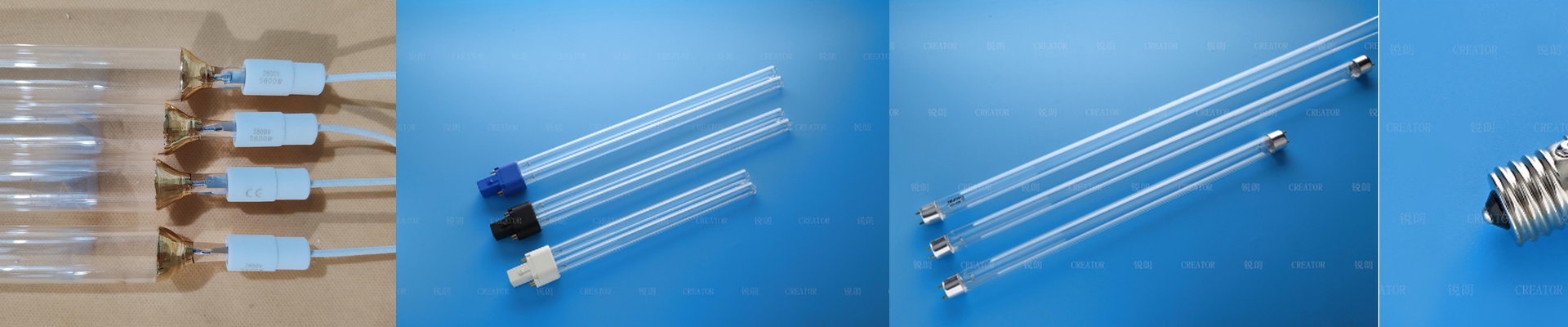
Getting the Most Out of Your 120W/cm Mercury UV Lamps
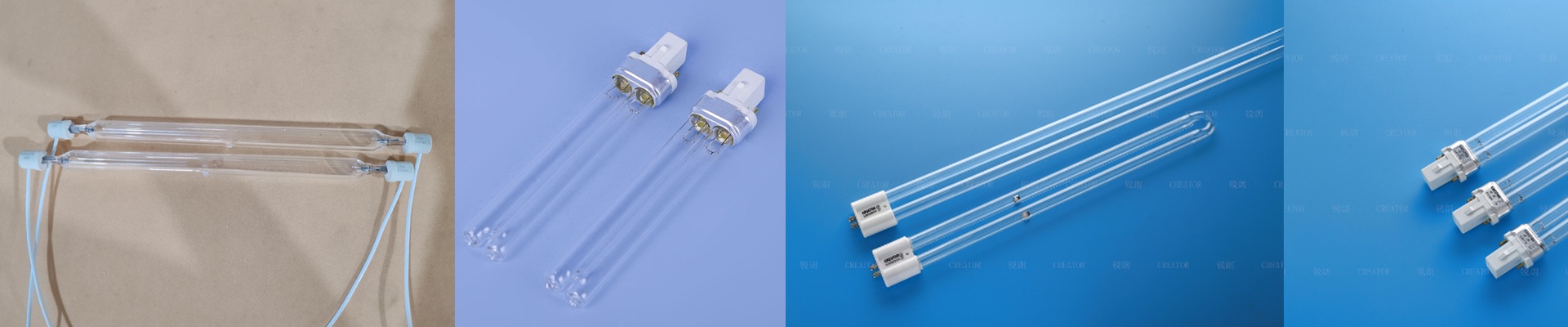
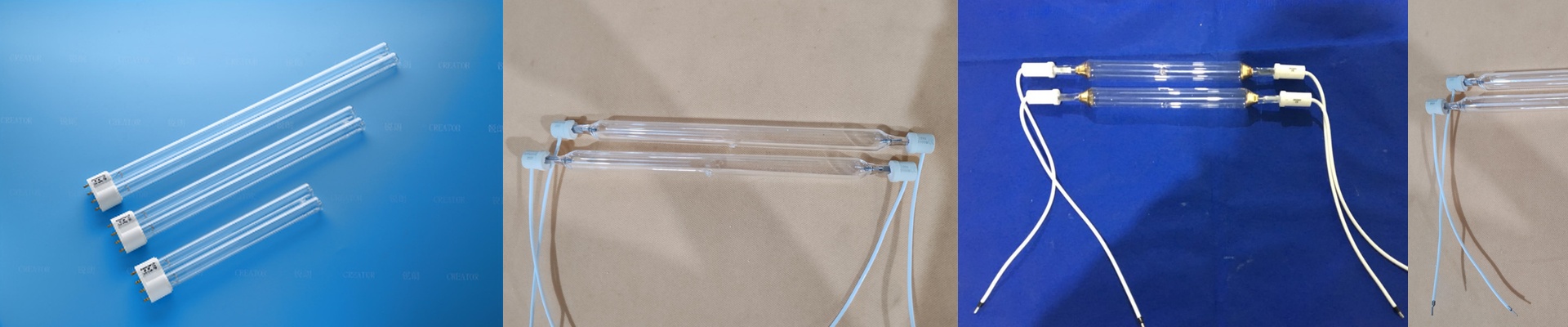
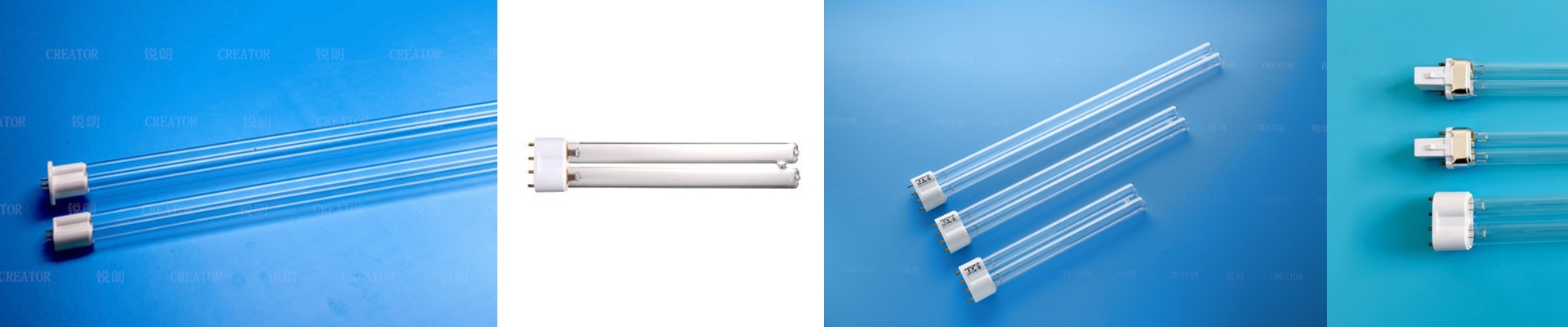
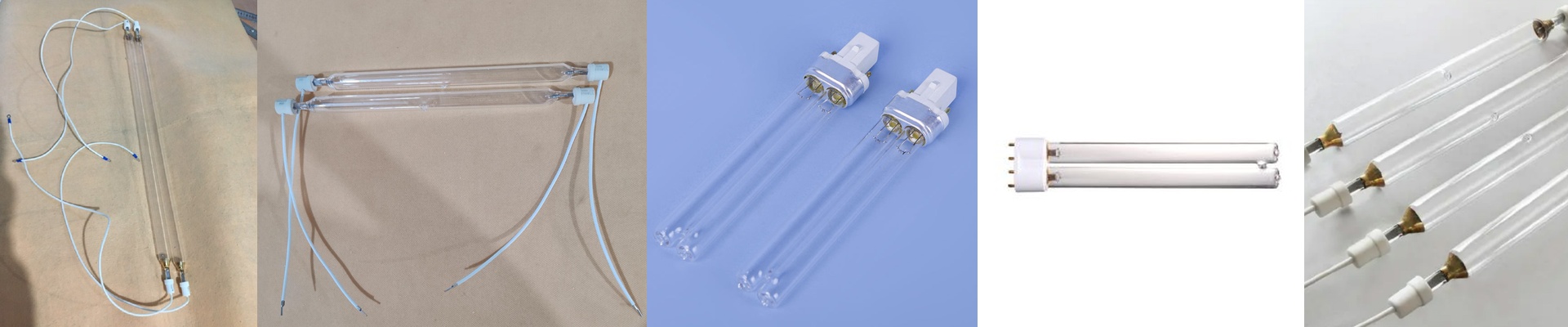
If you’re running high-intensity curing, you already know the drill. You need raw power to get the job done fast. That’s why we build our 120W/cm mercury lamps—they’re designed to take a beating and still deliver the heat needed for rapid photopolymerization. Let’s talk about that power density. Packing 120W into every centimeter means a ton of energy in a tiny space. The upside? Your conveyor can move faster, and your inks or adhesives cure in a snap. It’s a massive win for your throughput. But here’s the catch: these tubes gethot. Like, really hot. If your cooling blowers aren’t up to the task, you’re looking at premature burnouts or warped reflectors. It’s a classic trade-off. High speed requires high heat, and you’ve got to manage that heat or it’ll bite you. What’s happening inside the glass? We use high-purity mercury vapor to get a broad UV spectrum. This is the secret sauce for those thick coatings that need a deep cure, not just a surface skin. We also pick a quartz glass that won’t crack under the internal pressure or the searing operating temps. And if the standard setup doesn’t quite fit your needs? Just let us know. We can tweak the gas mix or the tube diameter to hit the exact wavelength you’re after. Making it your own (OEM) If you’re buying wholesale, you probably don’t want a generic tube with someone else’s name on it. We get that. We can handle all the labeling, the custom packaging, and the specific connector setups. The goal is to make these a “drop-in” fit for your machines. Whether you need different end-cap materials or specific lead-wire lengths to fit your jig, we’ll make it happen. No fuss. A few tips for the install When you’re wiring these up, keep an eye on your ballast. You want a stable arc. If the voltage jumps around, you’ll get flickering and uneven curing, which is a nightmare for quality control. Also, do yourself a favor: check your reflector alignment every 500 hours. It only takes a minute, but it ensures that all that 120W/cm power is actually hitting your substrate and not wasting away.