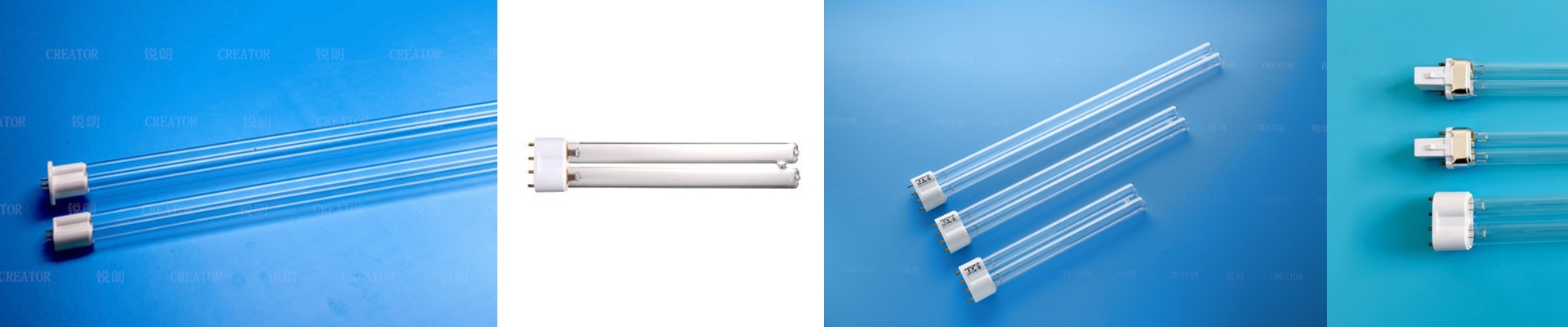
Getting Your Head Around Mercury UV Bulbs
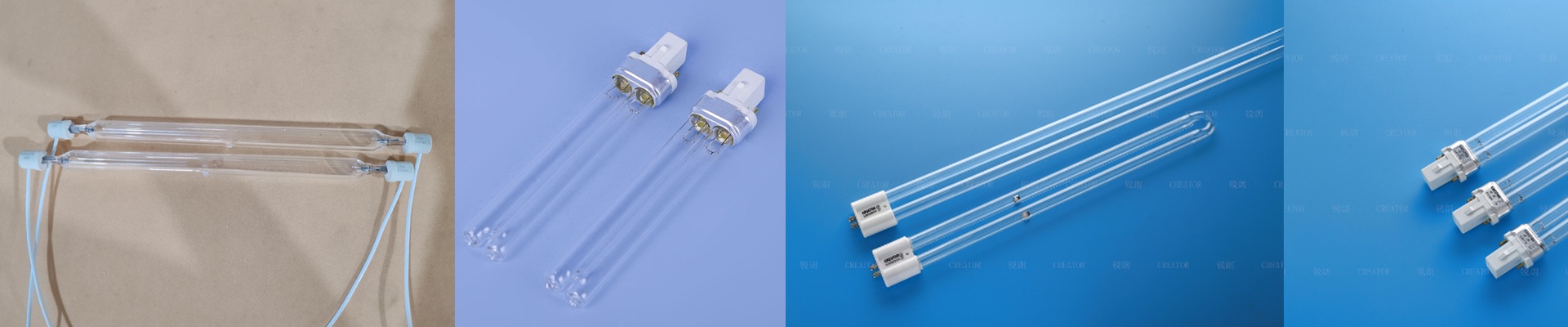
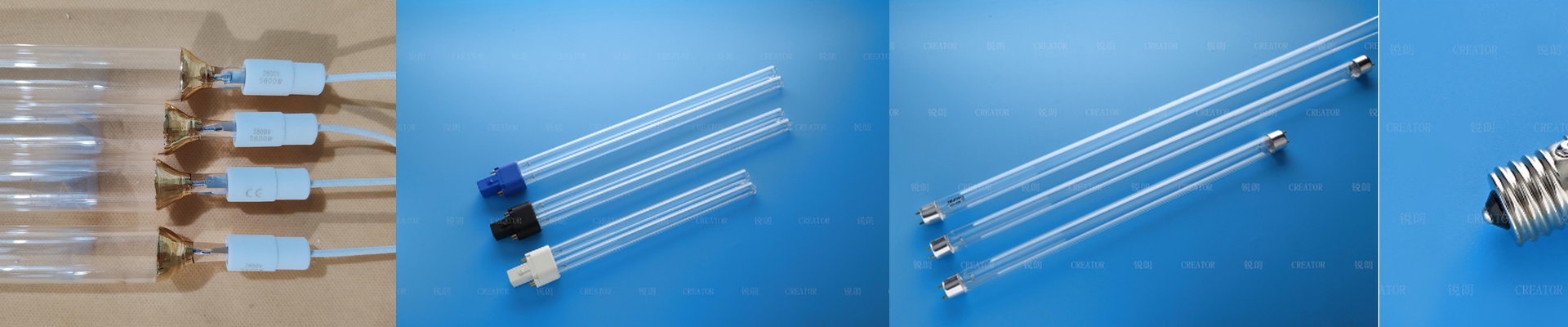
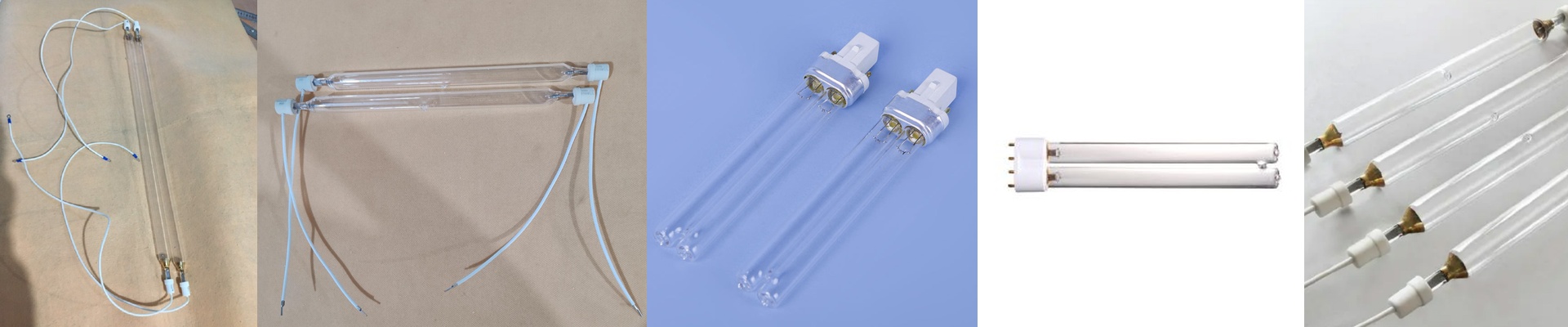
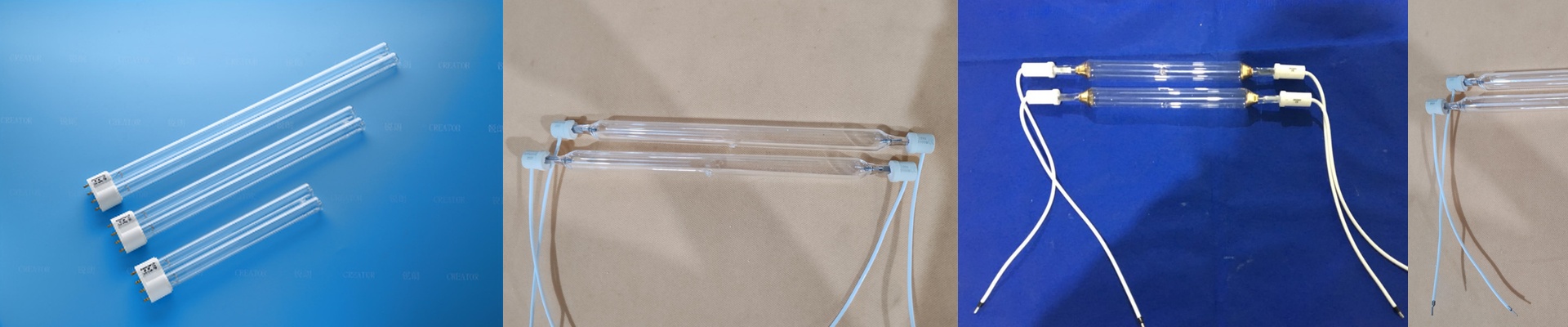
Let’s be honest: most people just see a UV lamp as a light bulb. But if you’re running a production line, you know it’s more like the engine of the whole operation. These bulbs do the heavy lifting, turning electricity into the exact kind of UV light needed to make your resins and inks snap from liquid to solid in a heartbeat.
How the Magic Actually Happens
Inside the tube, we’re basically creating an electric arc through mercury vapor. It sounds simple, but the details matter. When we’re picking out a lamp, the voltage and wattage are the big levers. More wattage means more “punch” (or photon flux, if you want to be technical), which gets your curing done faster. But here is the catch: your bulb and your coating have to be on the same page. If the wavelengths don’t match the photoinitiator in your ink, you’re going to end up with a tacky surface or, even worse, a bottom layer that never actually cured. Nobody wants to deal with that.
The Hardware Side of Things
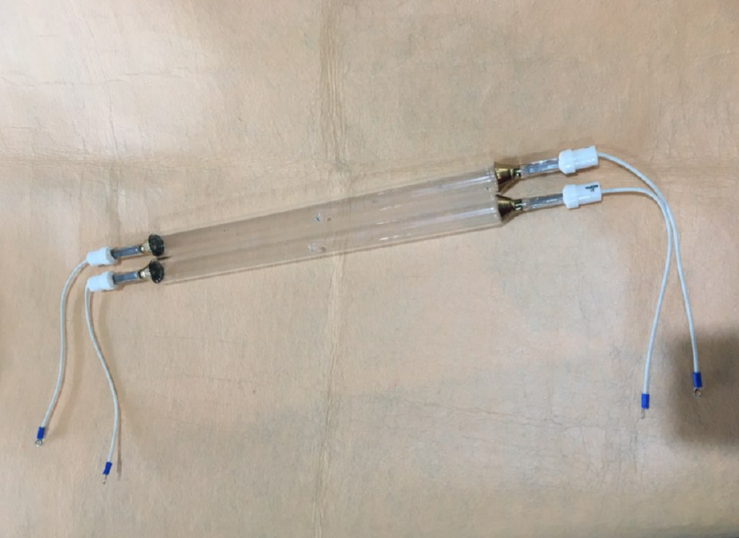
We use high-purity quartz glass for a reason. Regular glass is a wall—it blocks UV. Quartz is a window. It lets the light fly right through. We also beef up the end-caps because these things get incredibly hot, and the glass needs to be able to expand without cracking. Now, a word of advice on the wiring:watch your ballast. If the ballast doesn’t match the bulb, you’re asking for trouble. You’ll either see constant flickering or your bulb will burn out way sooner than it should. And since these lamps run hot, make sure your cooling fans or water-jackets are actually doing their job. If the heat doesn’t move away from your parts, you’ll end up with warped products.
Smart Monitoring (The “New” Way)
For a long time, the rule was “set it and forget it.” You’d swap bulbs on a calendar schedule and hope for the best. But things are changing. We’re seeing more engineers plug in real-time intensity sensors. Instead of guessing, you can actually see the mercury vapor degrading in real-time. When the microwatts per square centimeter dip below your limit, that’s when you swap the bulb. It’s a much smarter way to work. You stop throwing away perfectly good lamps, and you don’t have to worry about unexpected downtime. It just makes the whole day run smoother.