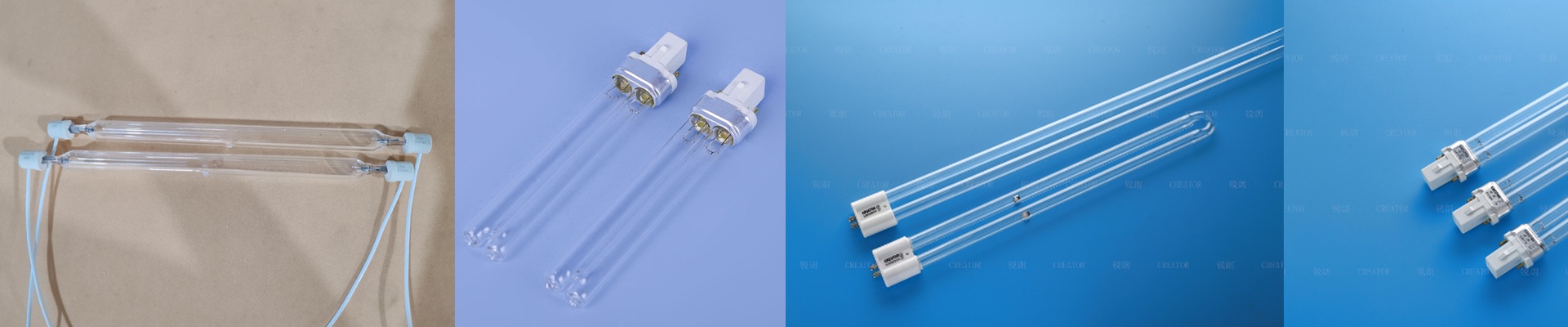
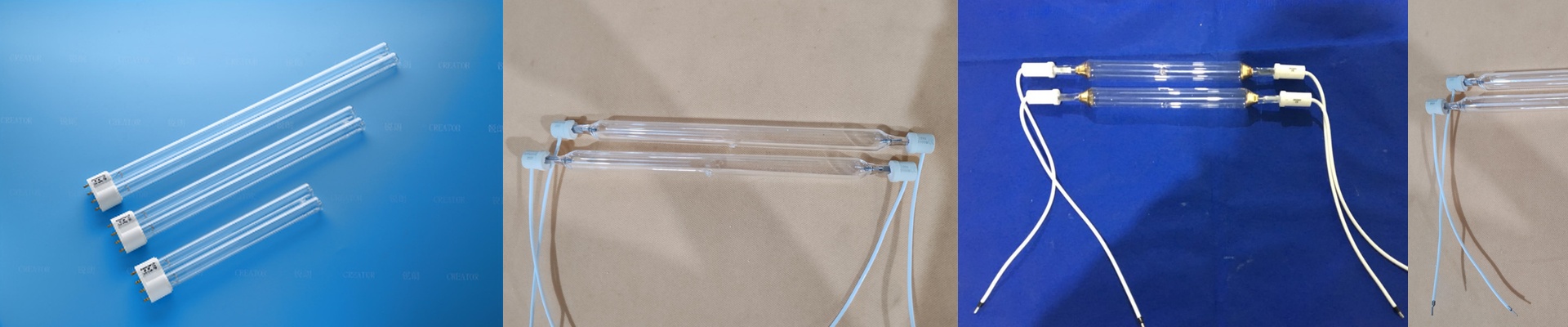
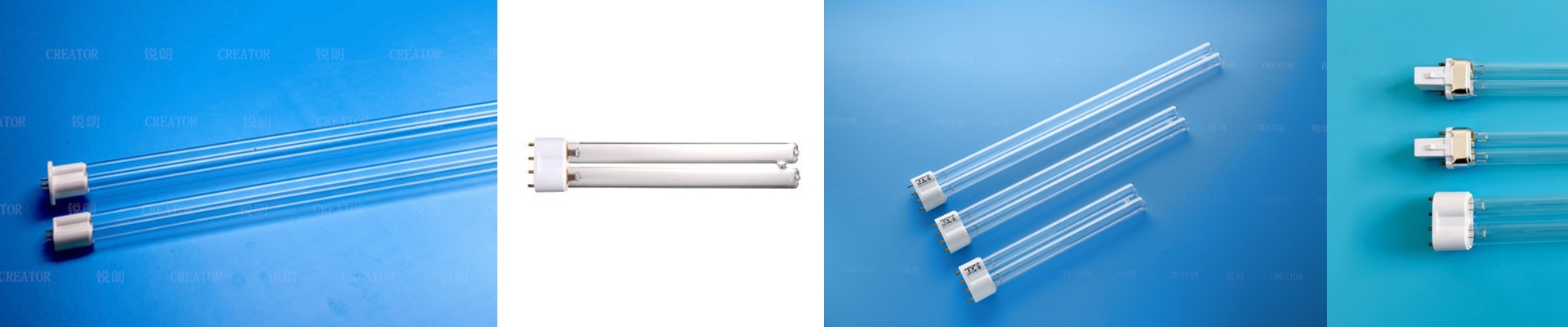
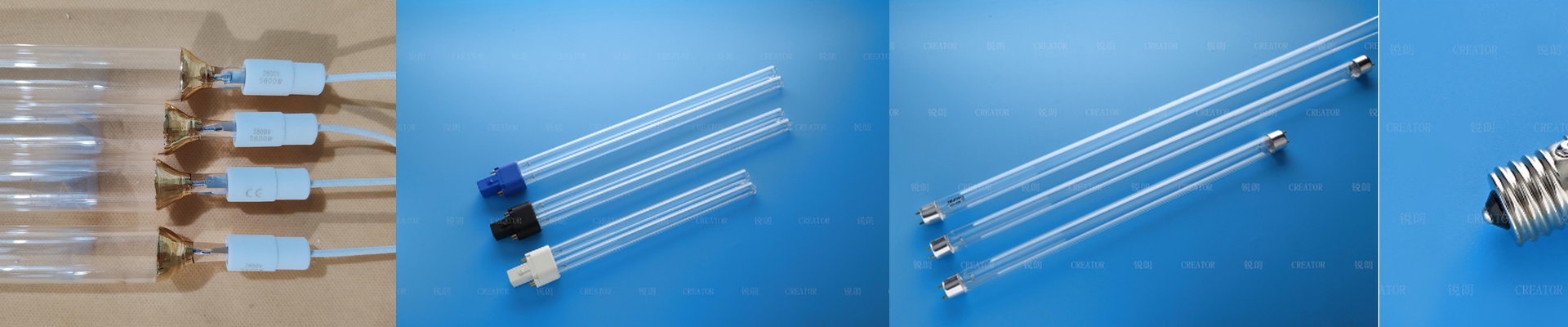
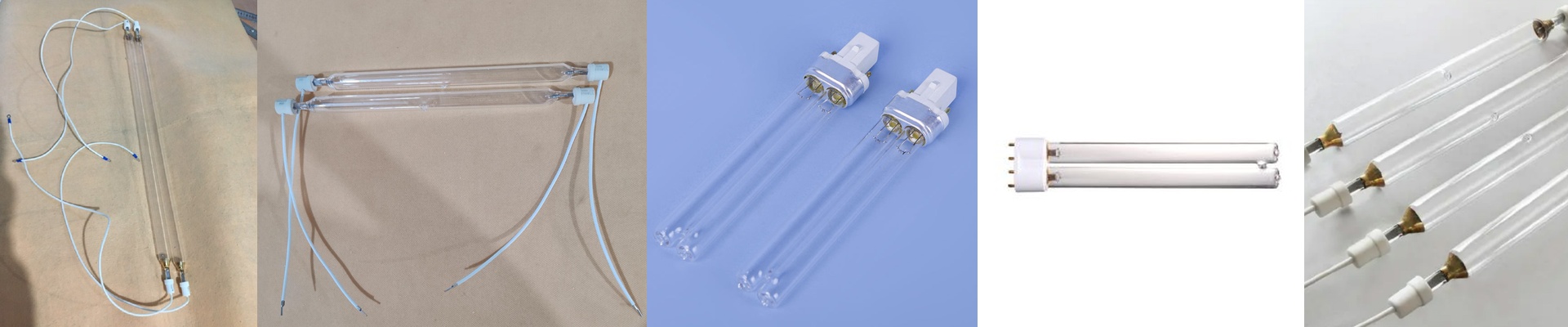
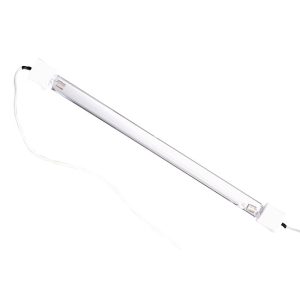
Let’s Talk About High-Pressure Mercury Lamps
Look, most people see a UV lamp and just think “light bulb.” But if you’re running a real production line, you know better. These things are basically precision power tools. The high-pressure mercury lamp is still the heavy lifter in the curing world. Why? Because it hits a wide range of the spectrum, meaning it actually gets deep into those thick coatings instead of just skimming the surface.
What’s actually happening inside?
Here is the secret: we crank up the internal pressure to shift how the light behaves. By squeezing that mercury vapor, we get a much stronger hit of UVC and UVB radiation. That’s where the magic happens. You aren’t just “drying” a coat of paint or glue. You’re triggering a chemical reaction at a molecular level that locks everything together fast.
The heat struggle
Now, there’s a catch. All that power in such a small space creates a ton of heat. It’s a lot. If your cooling fans or water-jackets aren’t up to the task, you’re asking for trouble. The lamp will burn out way too soon, or worse, you’ll warp the very thing you’re trying to cure. Keep a close eye on your reflector temperatures. If you see hotspots, you’ll see uneven curing. Simple as that.
Making it work in a modern shop
The days of clunky, standalone ballasts are over. We’re moving toward digital power supplies that actually talk to the rest of your gear. This is great because you can dim the lamp or pulse the output based on how fast your line is moving. You save on the power bill and your lamps last longer. It’s a win-win. And let’s be honest: nobody wants to spend an hour swapping out a bulb. We make our replacements “drop-in” style with standard connectors so you can get back to work in minutes. When your line is screaming along at top speed, you need a steady arc. If the power on the factory floor dips or spikes, you don’t want your product ending up in the scrap bin. We build these to stay rock-steady, no matter what’s happening with your electricity.