Getting Your UV-C Setup Right (Without Burning the Place Down)
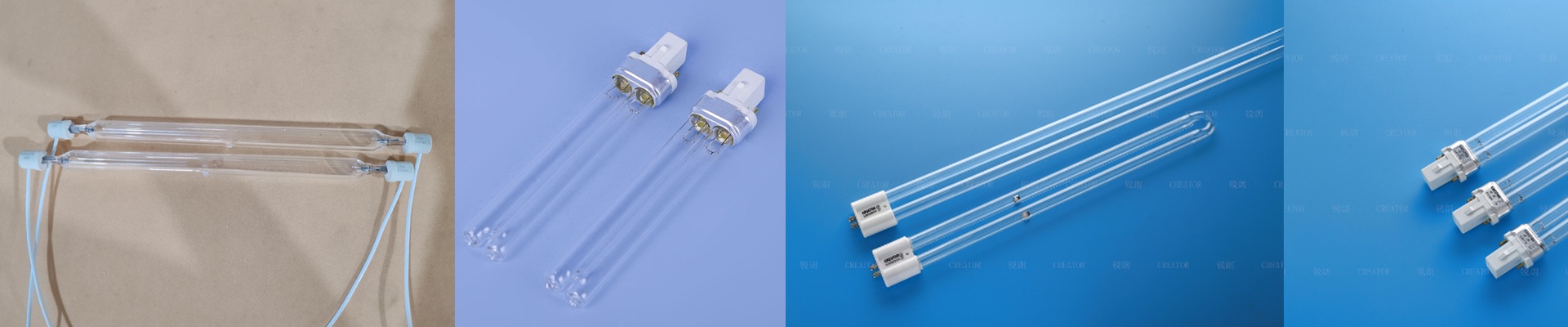
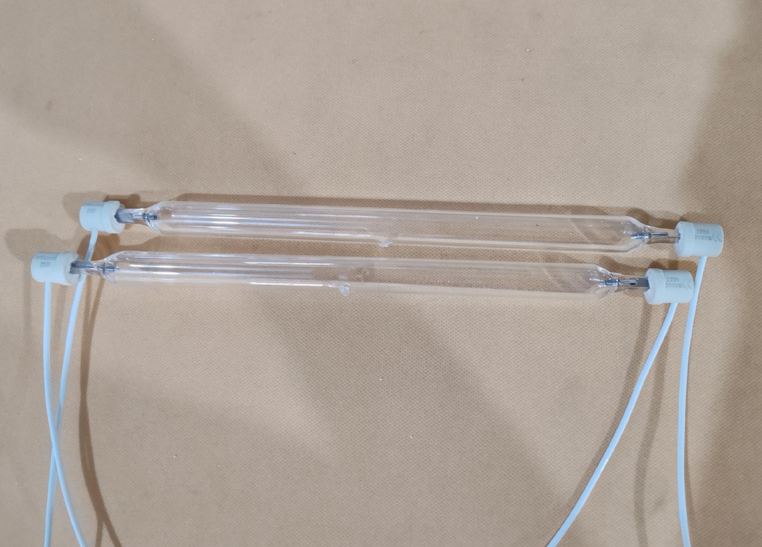
When you’re working with UV-C lamps—the kind that hit around 254nm—you’re not just “turning on a light.” You’re basically using a precision tool to scramble microbial DNA and snap those specialized inks right onto your fabric. But once you actually put these on a printing line, the conversation changes. It stops being about light and starts being about dosage and keeping your team safe. The balancing act of power Here’s the thing: if the fabric doesn’t get enough energy, the ink stays tacky. But if you crank the wattage too high just to speed up your production, you’re asking for trouble. You’ll start seeing scorched edges or that annoying yellow tint on your synthetic blends. It’s a bit of a dance. You have to tune your lamp power against the speed of your conveyor belt to hit that sweet spot—the exact mJ/cm² your ink needs to set. Don’t skimp on the glass You can’t just use any old glass here. Standard glass blocks UV-C, which basically makes your expensive lamp a very fancy, useless heater. You need high-purity quartz. And please, for the love of your staff, keep these things tucked inside reflective aluminum housings. You want that radiation pointed straight at the fabric, not bouncing around the room. But the housing is only half the battle. You need interlock switches on every single access panel. No exceptions. If someone opens a door to check something, the power needs to kill instantly. UV-C doesn’t mess around—it’ll burn skin and wreck retinas before you even realize what happened. I’d also suggest tossing a few leak detectors around the machine. It’s way better to find a failing seal through a sensor than through a safety incident. The heat problem High-output lamps get hot. Really hot. While the UV light does the heavy lifting for the curing, the infrared heat that comes with it can be a nightmare. It can warp your plastic parts or leave your textile fibers feeling brittle and dry. You’re going to need a real cooling plan. Whether you go with forced air or water-cooled jackets, you’ve got to keep those temperatures steady. If you don’t, your bulbs will burn out way faster than they should, and you’ll spend more time swapping tubes than actually printing.