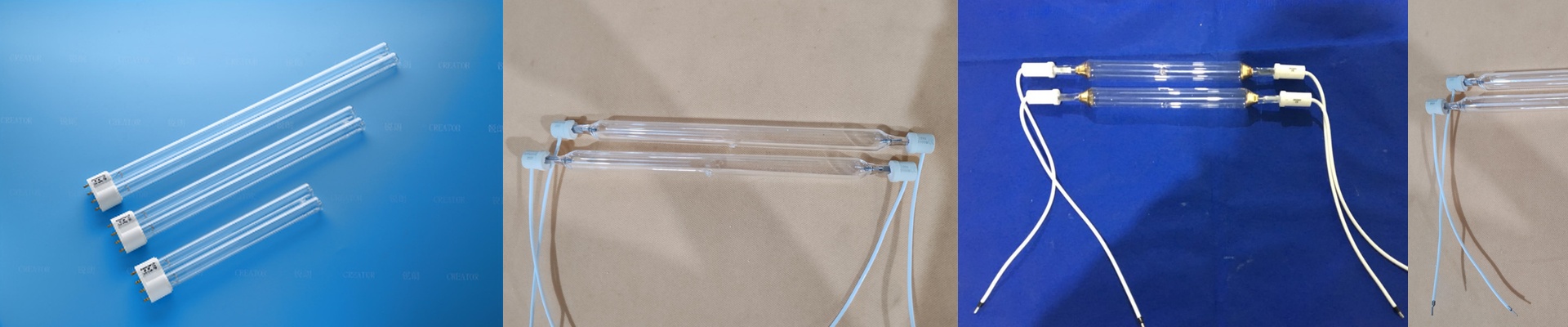
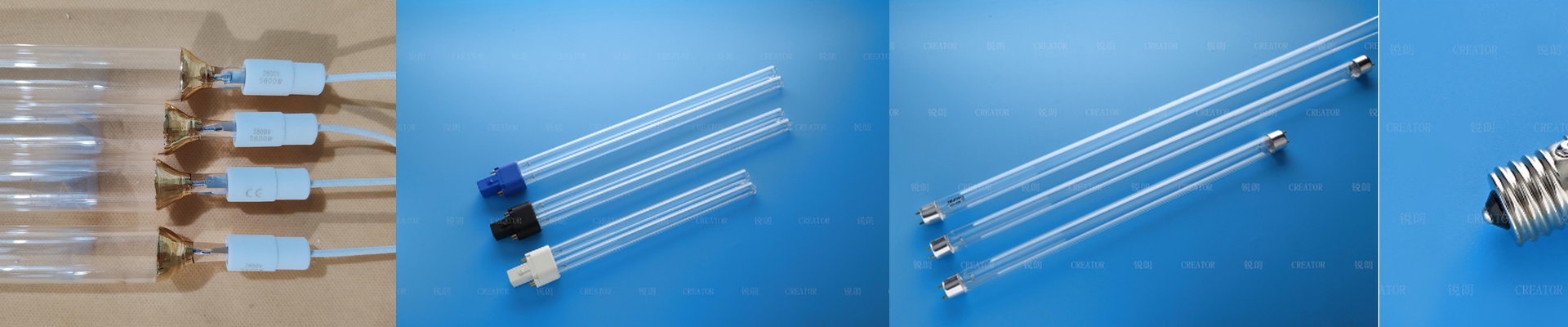
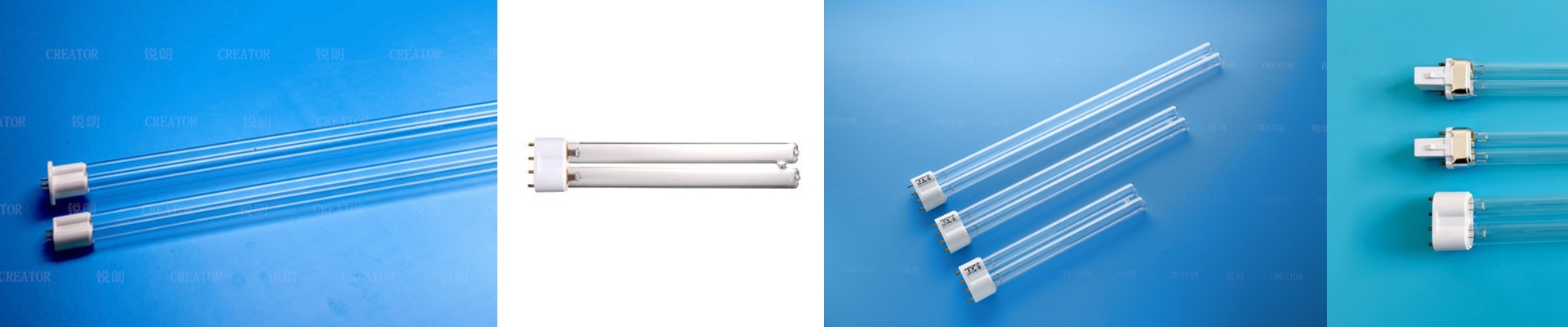
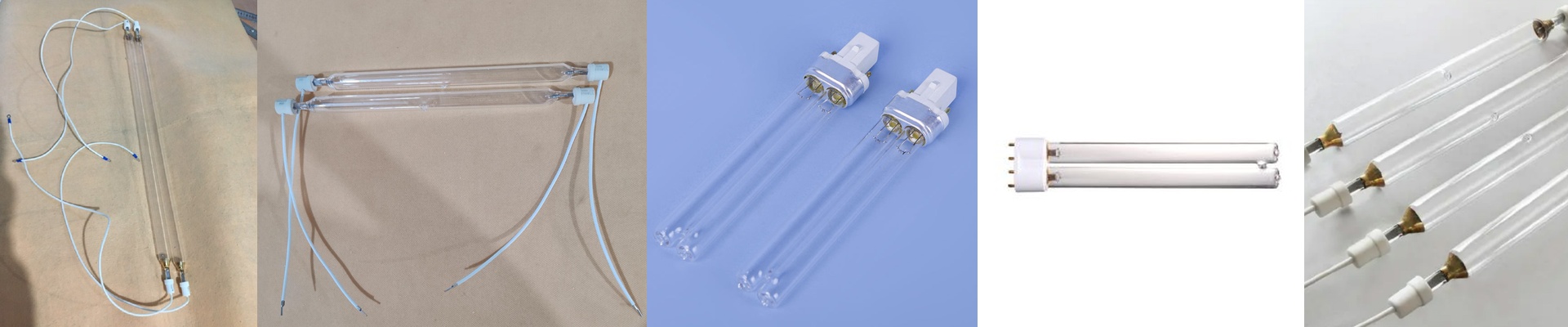
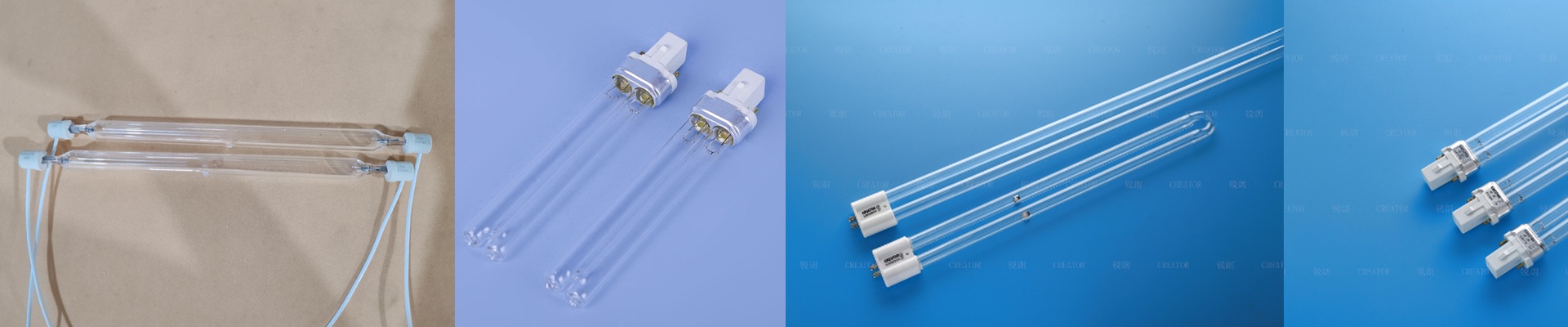
CE Certification: It’s More Than Just a Sticker
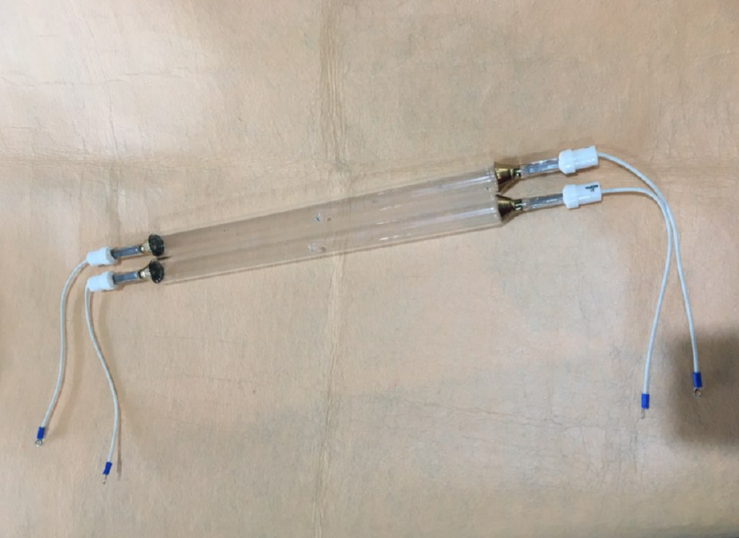
Most people see CE certification as a giant pile of paperwork and a bureaucratic headache. I get it. But when you’re building custom UV lamps, that “paperwork” is actually the floor. It’s what keeps a lamp from burning out in a week and ensures it can actually survive a brutal, high-volume production line in Europe or North America. The nitty-gritty of the tech We don’t just slap a logo on a box and call it a day. That’s a recipe for disaster. We spend a lot of time obsessing over the insulation thickness and the dielectric strength of the quartz envelope. Why? Because if you’re running a system at 400V, you can’t have the lamp arcing. The internal wiring and end-cap seals have to take that stress without leaking current into your machine’s chassis. Nobody wants a piece of equipment that shocks the operator. Dealing with the heat UV lamps get hot. Really hot. If the electrodes and the quartz tube don’t expand at the same rate when they heat up, the glass will just crack. It’s as simple as that. We test those tolerances specifically to stop that from happening during those rapid heat-up cycles. But here’s the thing: we can build the toughest lamp in the world, but you’ve still got to get your cooling blowers right. If your airflow is weak, even a certified lamp is going to overheat and die early. Staying out of trouble Let’s be honest—high-end global markets won’t even look at gear that isn’t certified. It’s all about liability. When you put our lamps into your curing system, that CE mark is your proof that the hardware is safe. It means the ozone emissions are under control and the electrical leakage isn’t a risk. It makes the lamp a simple drop-in replacement. You wire it up, hit the switch, and get back to work without worrying about a fire marshal showing up or failing a safety audit.