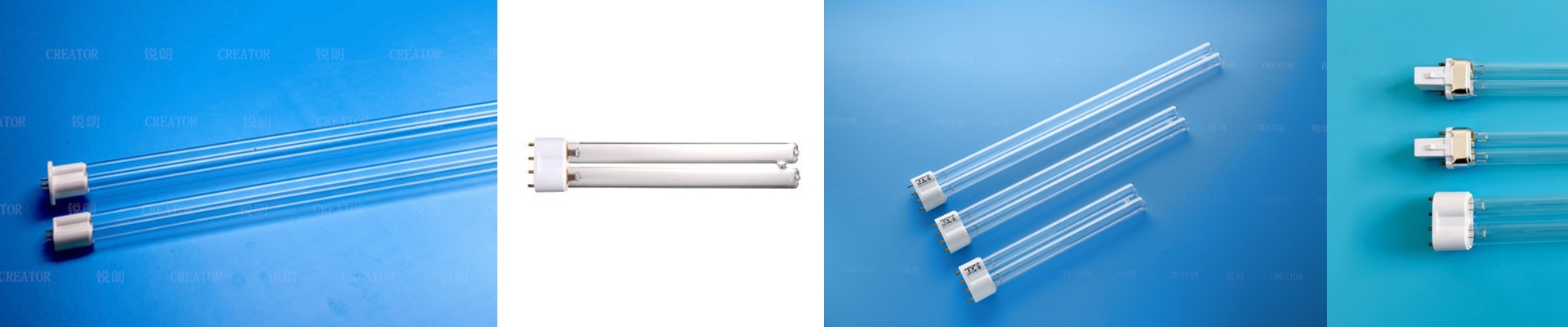
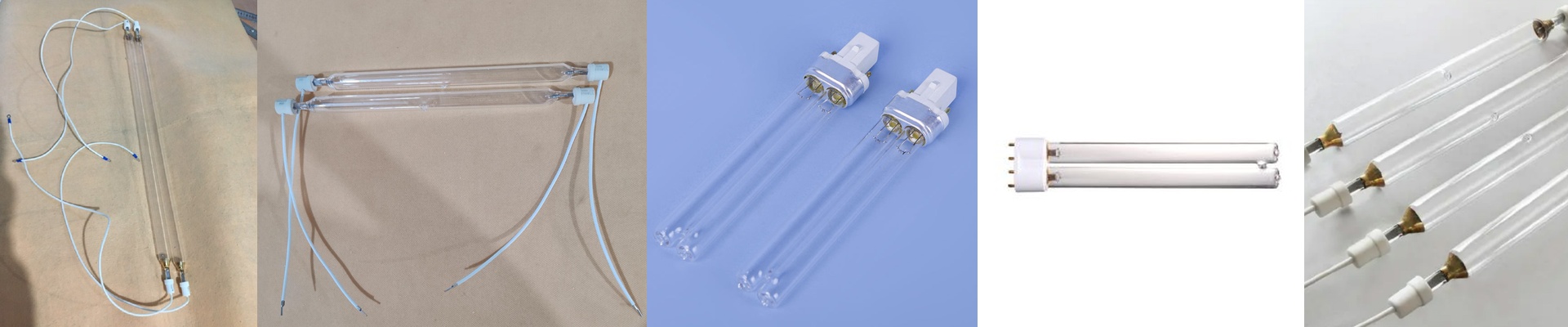
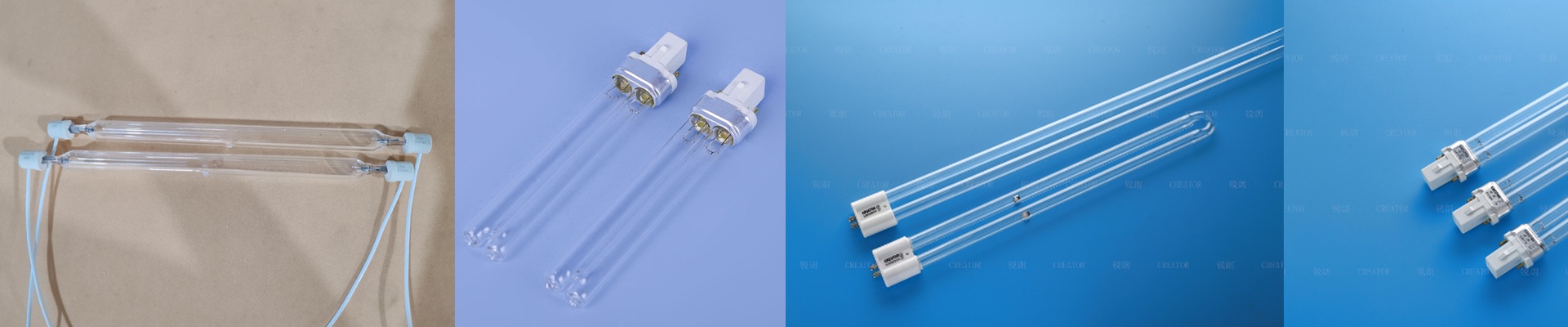
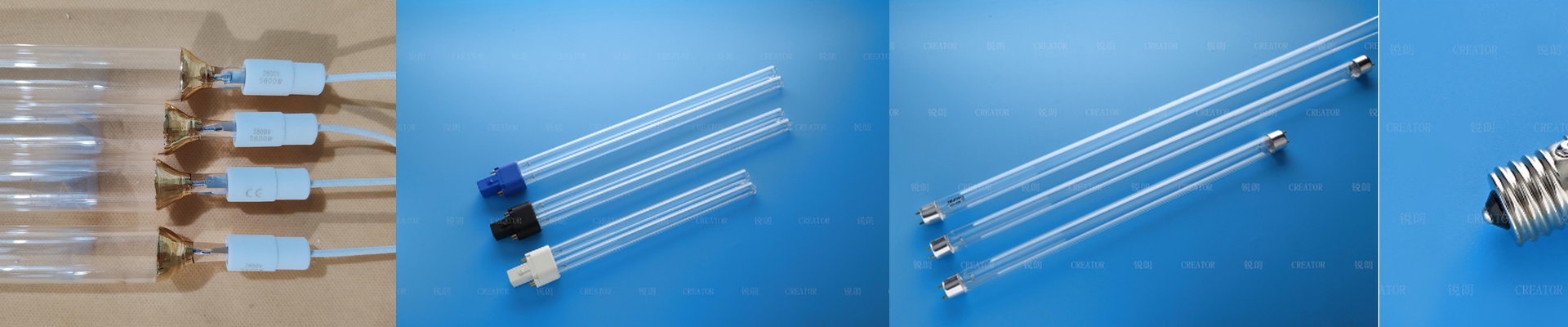
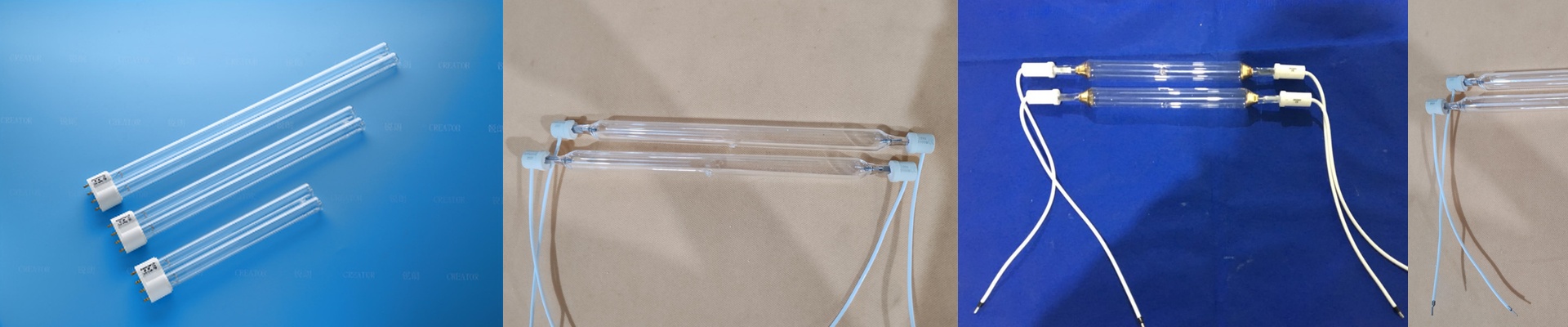
Let’s Talk About the 120W/cm Mercury UV Lamp
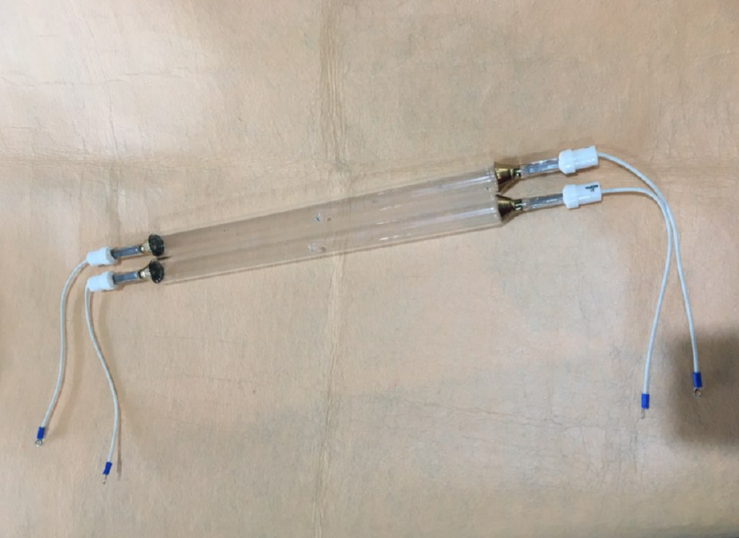
When we sat down to build our standard mercury UV lamp modules, we had one goal: hit 120W per centimeter. Now, if you’re in the printing business, you know that’s not just some random spec on a datasheet. It’s the difference between a perfect run and a total nightmare. It’s what lets you crank up the line speed without worrying about ink smudging or your substrate warping into a mess. The heat is the real challenge. Packing that much energy into such a small space is great for thick inks or resins that need to cure fast. You get that snap-cure reaction almost instantly. But there’s a catch. It gets hot. I mean, really hot. If your cooling gap is too tight, that quartz envelope can actually melt PET films or warp thin plastics. You’ve got to make sure your chilled air or water-cooling jackets are up to the task. If they aren’t, you’re not just risking your product—you’re killing the life of the lamp. How it actually works Inside, we’re using a mercury-vapor discharge. Basically, the lamp sparks an arc between the electrodes, which gets the mercury atoms excited enough to spit out UVC and UVB wavelengths. That’s the “magic” that triggers the photoinitiators in your ink. We also made sure these are drop-in replacements. We matched the electrical footprints to the industry standards because nobody wants to spend their weekend rewiring an entire electrical cabinet. Keeping things running One thing to remember: we didn’t just build a bulb; we built a module. The reflector and the housing are precision-tuned to shove as much UV light as possible straight down onto your material. But here’s the thing—if that reflector gets dirty or pitted, your cure rate just tanks. Keep those quartz sleeves clean. It sounds simple, but it’s where most people go wrong. If you let dust build up, you’ll be tempted to just crank up the power to make up for it. Don’t do that. You’ll just burn through your electrodes way faster than you should.