Getting the UV Wavelength Exactly Right
Most off-the-shelf UV lamps have a habit of drifting. One day they’re fine, the next, the spectral output has shifted just enough to mess up your surface hardness or slow down your line. It’s frustrating. That’s why we spent our R&D time obsessing over a 0.5% tolerance. We wanted to lock that energy concentration down so you don’t have to keep second-guessing your settings.
It’s more than just a bulb
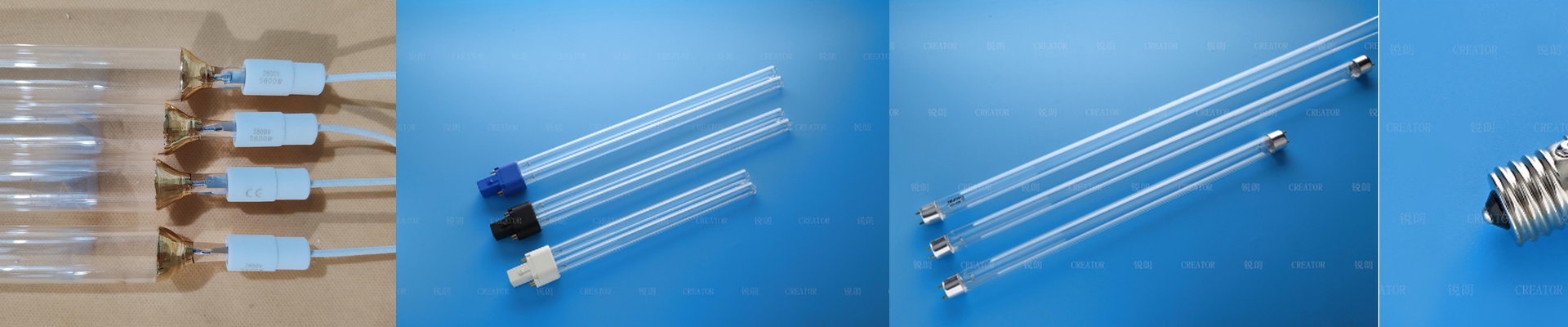
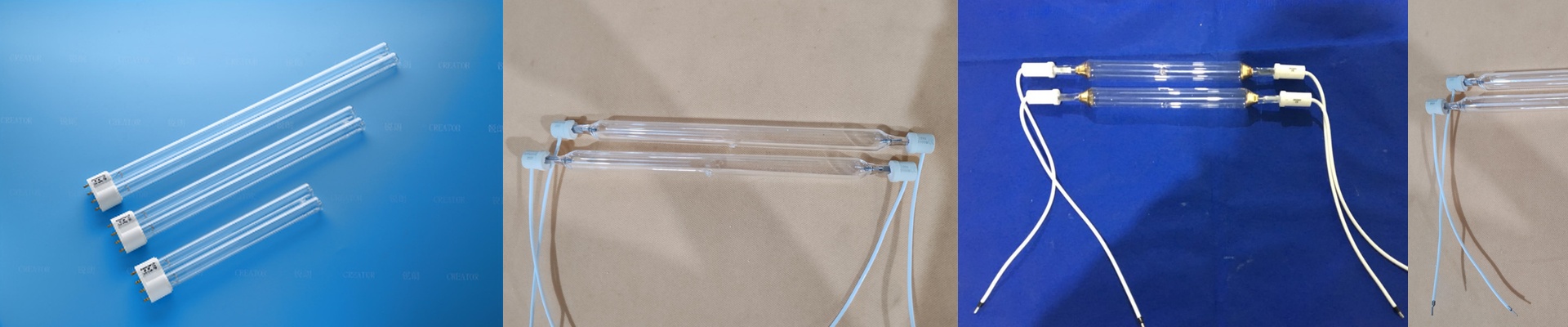
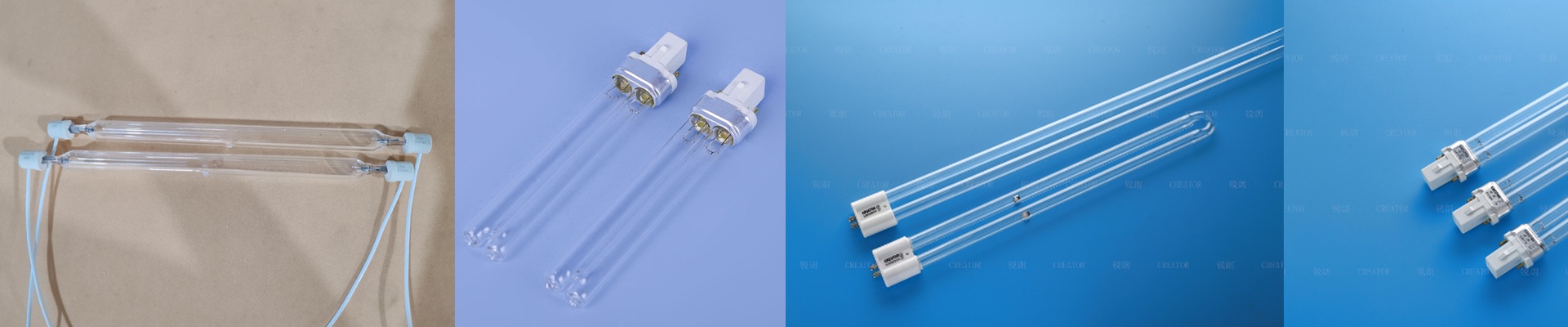
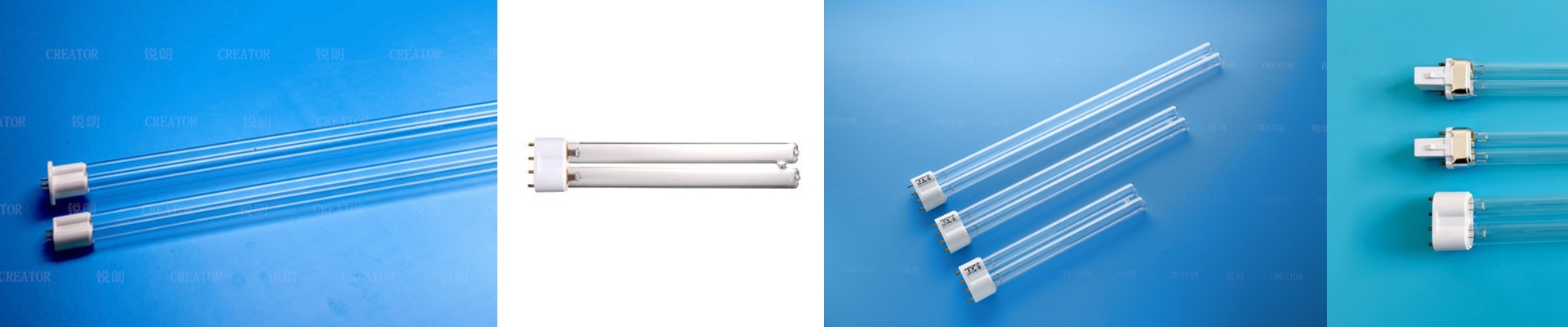
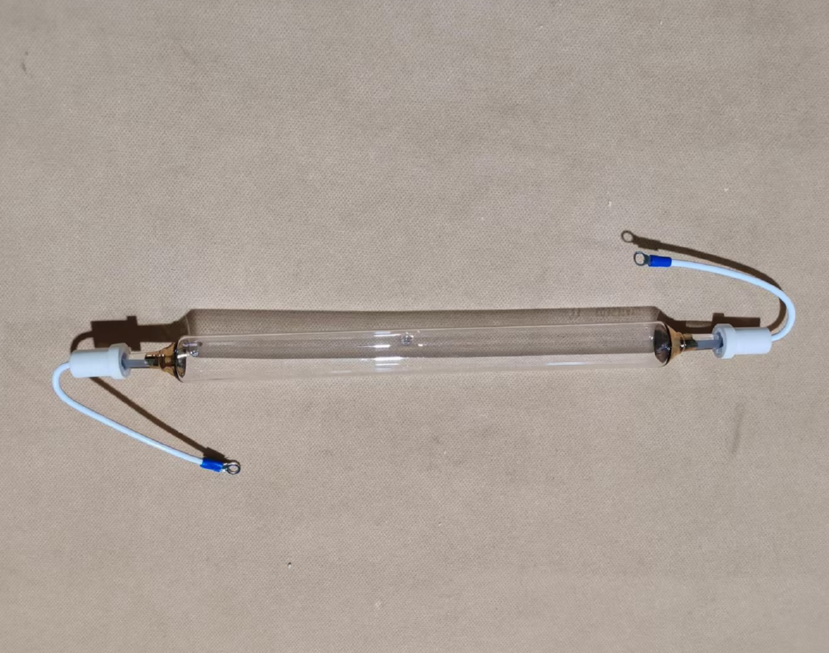
You can’t just slap in a fancy bulb and call it a day. The real magic happens in how the lamp geometry plays with the reflector optics. We use high-purity quartz envelopes because any impurity in the glass acts like a sponge, soaking up the UV energy before it even hits the reflector. It’s a waste of power. We also spent a lot of time tweaking where the electrodes sit. Why? Because “dark spots” at the ends of the tube are a nightmare. They leave you with under-cured margins and a lot of wasted parts. By flattening out that irradiance profile, you get a consistent cure from one edge to the other. No surprises.
Swapping parts without the headache
We built these into a modular chassis. If you need to swap lamp banks, you just do it. No need to tear apart your entire wiring loom or spend a whole afternoon rewiring the line. The connectors are standardized, so they just drop right in. But here’s the catch: when you concentrate energy this tightly, things get hot.Really hot. The housing takes a beating. You absolutely need a solid forced-air or water-cooling loop. If your cooling dips, the quartz tube overheats, your spectral output shifts, and that 0.5% precision we worked so hard on just vanishes.
Why this actually matters
If you’re working with high-end electronics or medical-grade adhesives, this is huge. When you’re dealing with thin-film coatings, a tiny 1% shift in energy is enough to cause bubbling or shrinkage. It’s the difference between a perfect part and a scrap bin. By locking in the spectral concentration, we take the guesswork out of your belt speed. You set it once. It stays stable. You can actually stop worrying about the curing process and just let it run.