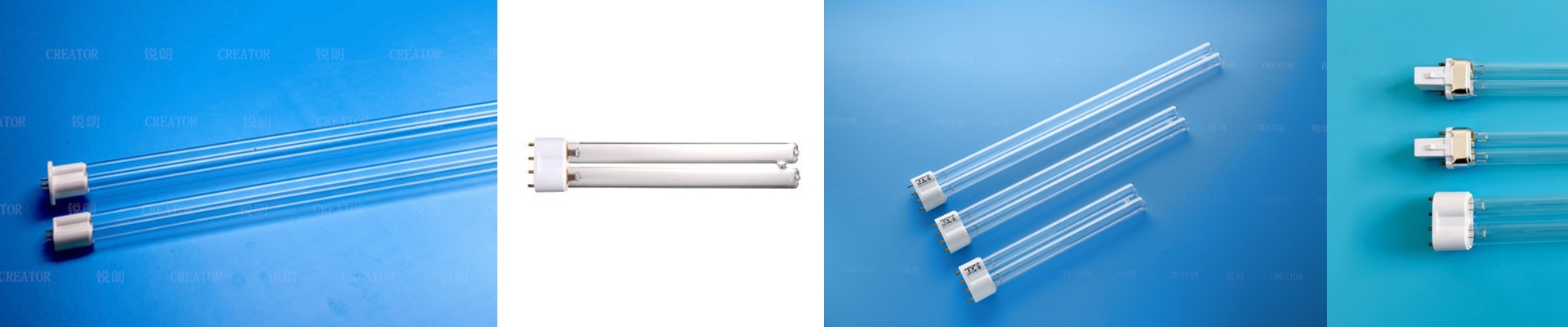
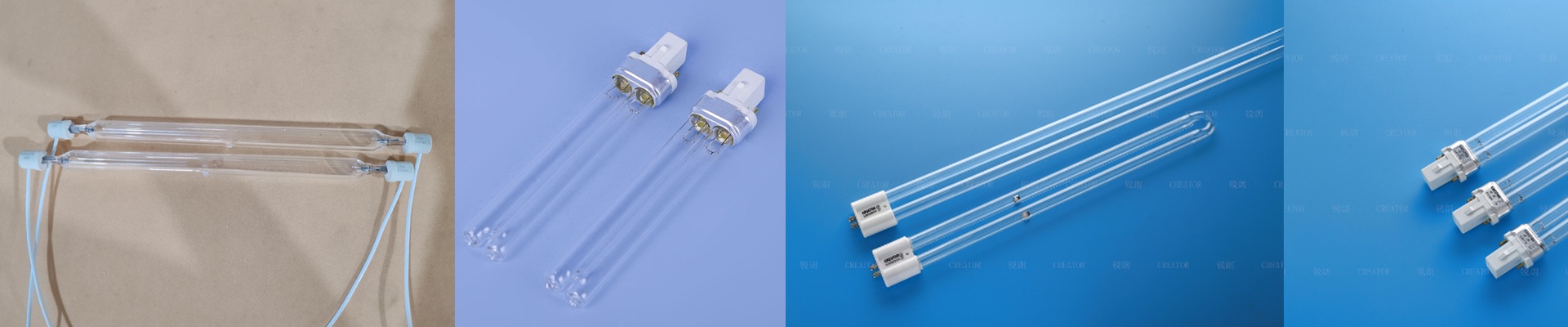
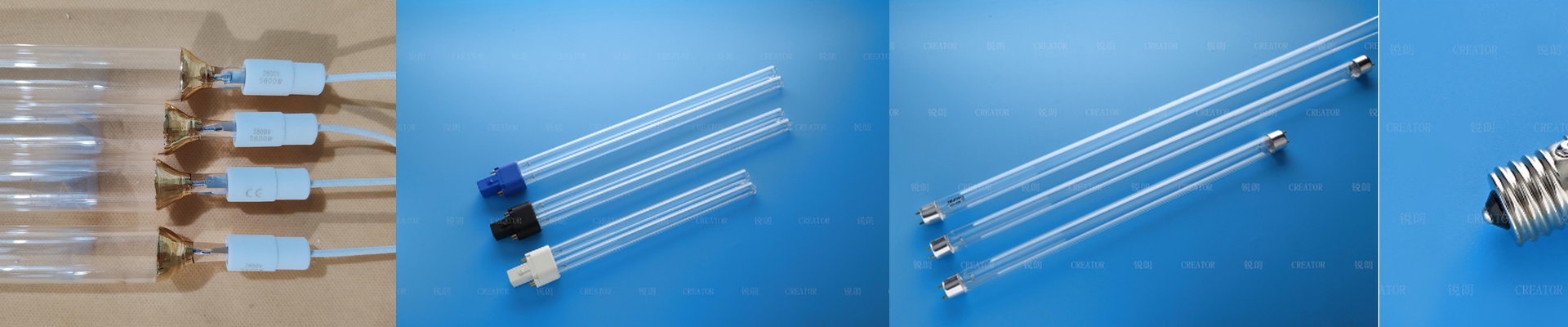
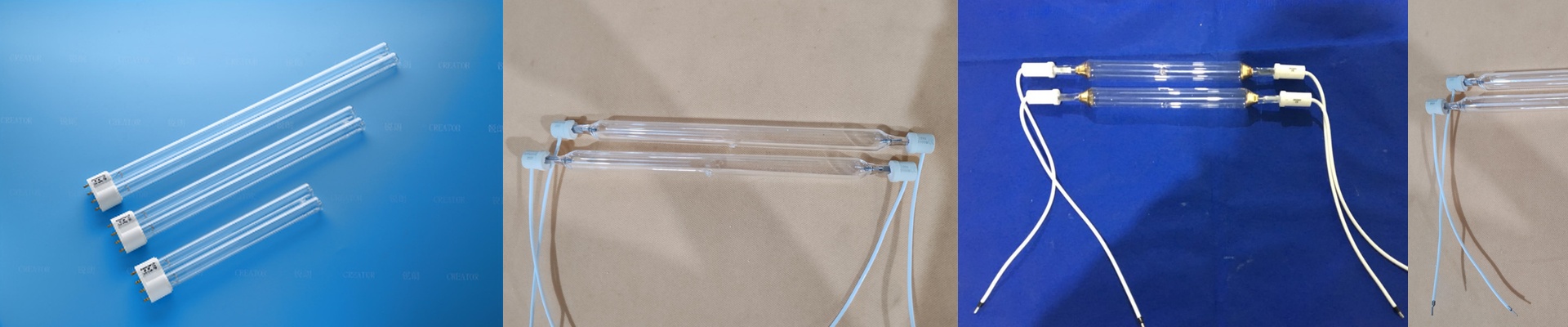
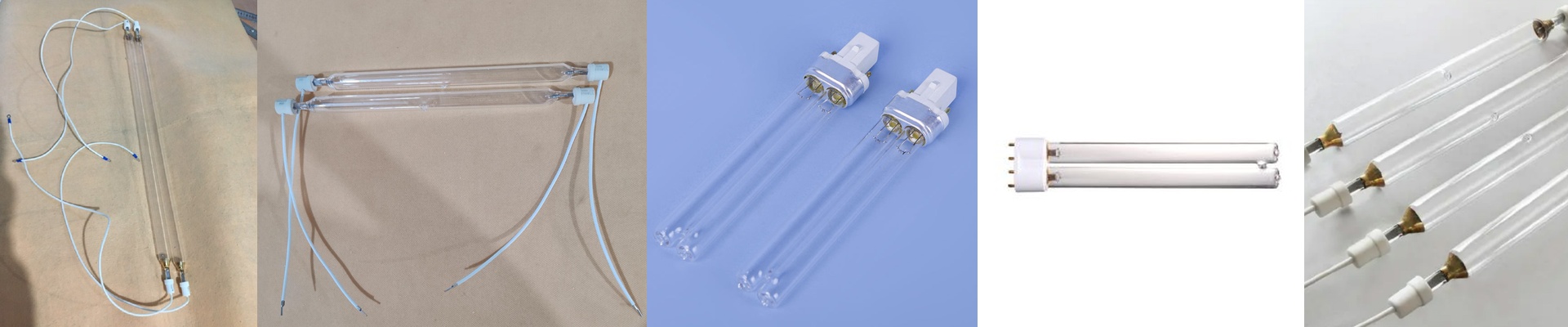

On the floor, we live by the numbers—spectral output, peak irradiance, energy density. The question we kept coming back to was simple: could we hold spectral energy concentration to 0.5%? In pond sterilization, that kind of precision is the difference between a steady kill and performance that drifts whenever the water clarity shifts. What matters, technically The Tetra UV pond sterilizer bulb is a medium-pressure mercury vapor lamp built around a stable 254nm germicidal line, with tight bandpass control to keep out-of-band energy in check. We dial in power density per unit length and set the arc spacing so the irradiance profile stays repeatable across the life of the lamp. A proprietary dichroic reflector coating boosts usable UV-C delivery by redirecting longer wavelengths, and the ozone-free quartz envelope keeps the operating area safe. We measure output against a calibrated spectral radiometer, and what you get is curing-grade energy density that translates straight into dose control for microbial inactivation. Why it holds up in the real world Pond systems deal with flow that changes, turbidity that swings, and seasonal load spikes. With the Tetra bulb, the spectral signature stays stable, so dose repeatability holds—your microbial kill curve doesn’t jump around on small shifts in UV transmittance. That means fewer dosing mistakes, less re-treatment, and cycle times you can plan around. Energy use drops because the reflector puts the output where it needs to be, and lamp replacement intervals stretch out. We manage output decay through arc design and materials, not guesswork. What you need to get right Installation has to match the chamber geometry. The bulb’s irradiance pattern assumes a specific hydraulic path length, so don’t fight the physics. Verify power supply compatibility, and make sure the socket and cooling line up with the lamp’s thermal envelope. Run outside the rated envelope and the spectral balance shifts—service life takes a hit. Match voltage, current, and flow conditions to the datasheet. No shortcuts.
روی کفشگاه، ما بر اساس اعداد کار میکنیم—خروجی طیفی، تابش پرشی، چگالی انرژی. پرسشی که بارها به آن بازمیگشتیم ساده بود: آیا میتوانیم تمرکز انرژی طیفی را تا ۰.۵٪ کنترل کنیم؟ در استرلیزه کردن استخر، چنین دقتی تفاوت بین از بین رفتن مستمر میکروبها و عملکردی است که با تغییر شفافیت آب نوسان میکند.
آنچه از نظر فنی اهمیت دارد
لامپ استرلیزهکننده استخر Tetra UV یک لامپ بخار جیوه فشار متوسط است که حول خط جرمیکشی پایدار ۲۵۴ نانومتر ساخته شده است و کنترل باند عبور دقیق برای محدود کردن انرژی خارج از باند دارد. چگالی توان به ازای واحد طول تنظیم میشود و فاصله قوس طوری تعیین میشود که پروفیل تابش در طول عمر لامپ قابل تکرار باقی بماند.
پوشش بازتابنده دیکرومیک اختصاصی، تحویل UV-C قابل استفاده را با جهتدهی طول موجهای بلندتر افزایش میدهد و پوسته کوارتز بدون اوزن منطقه عملیاتی را ایمن نگه میدارد. خروجی با استفاده از طیفسنج کالیبره شده اندازهگیری میشود و نتیجه چگالی انرژی در سطح درمان است که مستقیماً به کنترل دوز برای غیرفعالسازی میکروبی ترجمه میشود.
چرا در دنیای واقعی عملکرد پایدار دارد
سیستمهای استخر با تغییر جریان، نوسان کدورت و افزایش بار فصلی مواجه هستند. با لامپ Tetra، مشخصه طیفی ثابت میماند، بنابراین تکرارپذیری دوز حفظ میشود—منحنی از بین بردن میکروبی روی تغییرات کوچک در عبور UV جابجا نمیشود.
این به معنی اشتباهات کمتر در دوزدهی، نیاز کمتر به درمان مجدد و زمانهای سیکل برنامهپذیر است. مصرف انرژی کاهش مییابد چون بازتابنده خروجی را در محل مورد نیاز قرار میدهد و فواصل تعویض لامپ افزایش مییابد. کاهش خروجی با طراحی قوس و مواد مدیریت میشود، نه حدس و گمان.
آنچه باید درست باشد
نصب باید با هندسه محفظه مطابقت داشته باشد. الگوی تابش لامپ فرض میکند طول مسیر هیدرولیکی مشخصی وجود دارد، پس با فیزیک مقابله نکنید. سازگاری منبع تغذیه را تأیید کنید و اطمینان حاصل کنید که سوکت و سیستم خنککنندگی با پوسته حرارتی لامپ هماهنگ باشند.
عملکرد خارج از محدوده تعیینشده باعث تغییر تعادل طیفی و کاهش طول عمر خواهد شد. ولتاژ، جریان و شرایط جریان را مطابق برگه دادهها تطبیق دهید. بدون دور زدن قواعد.