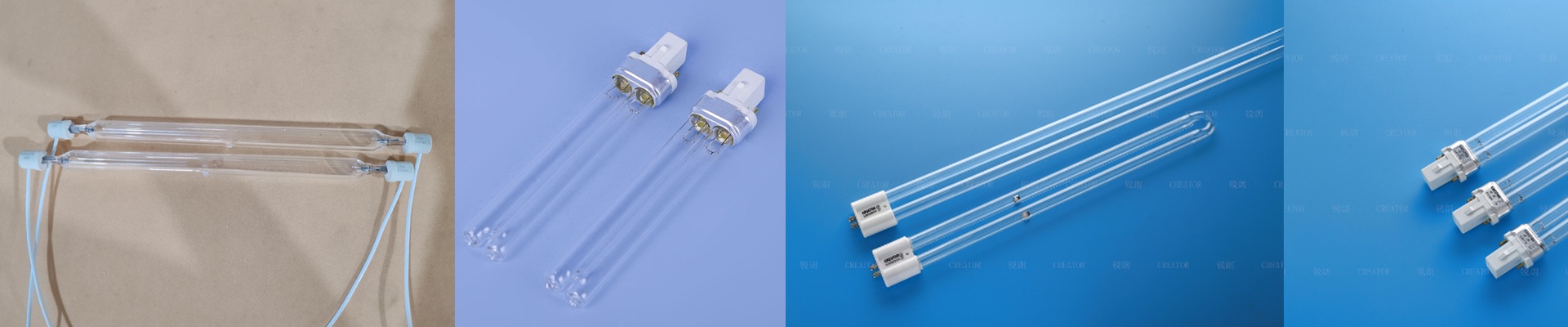
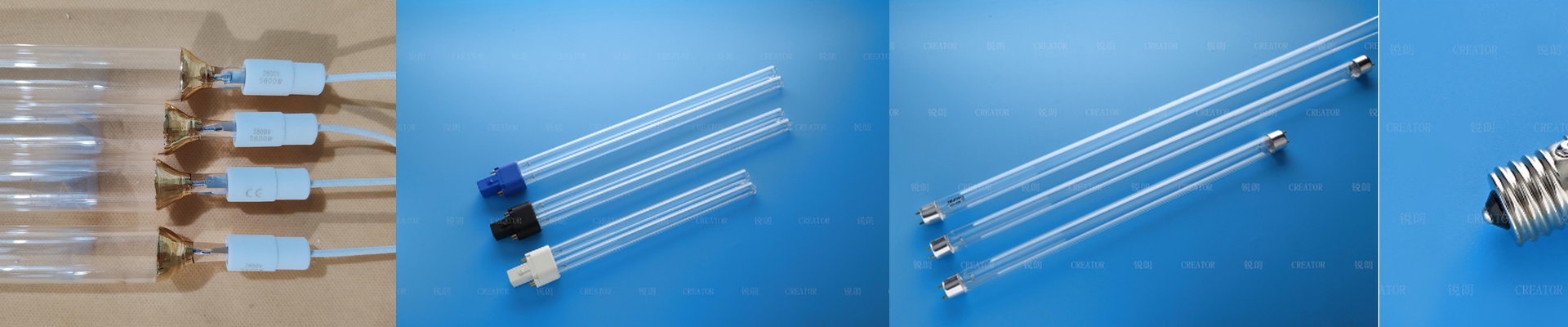
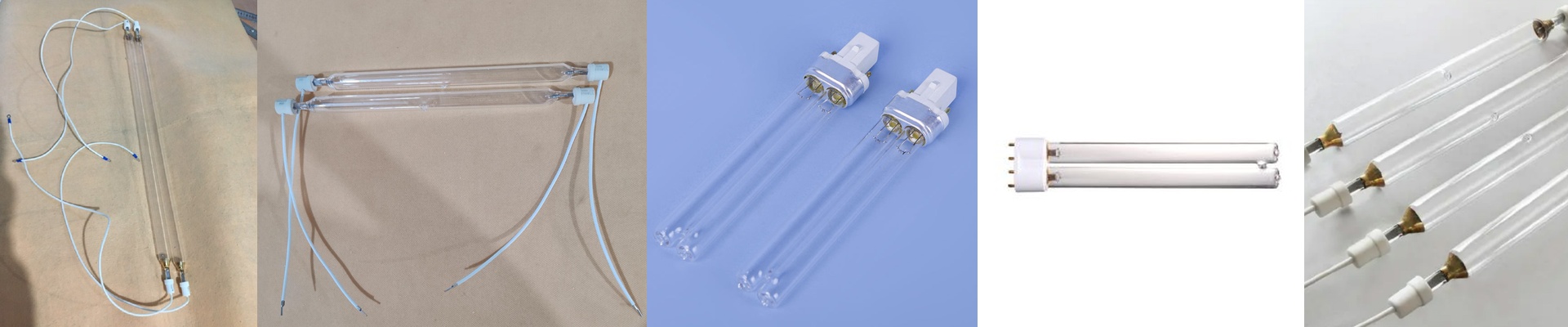
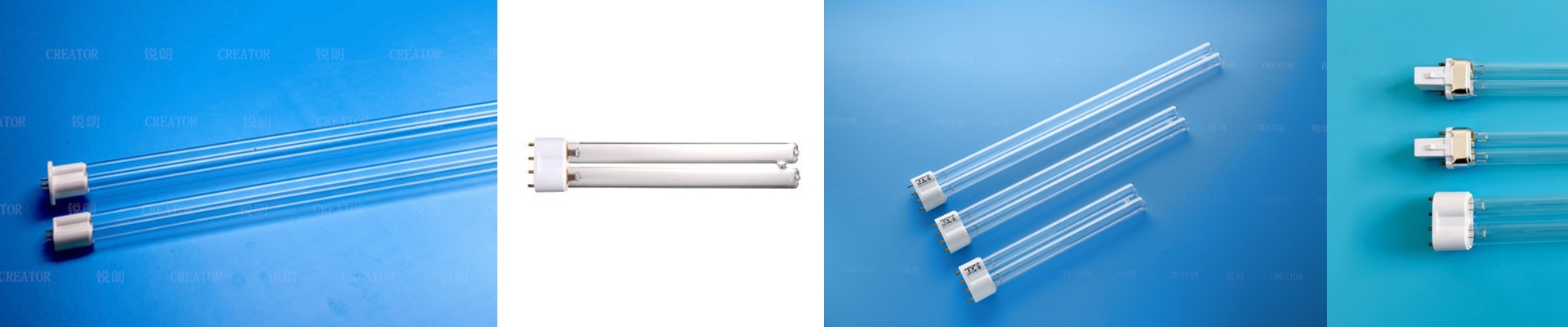
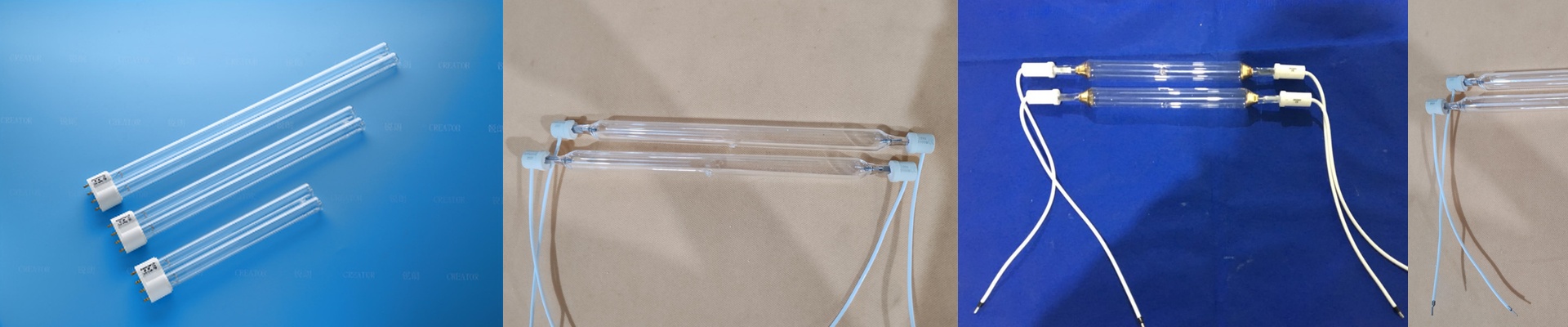
Out on the floor, you can feel it before you see it—a thin film of oily mist settling on the lamp and reflector. The UV intensity meter is already reading lower than yesterday. Jobs that should run at 200 m/min now need to crawl at 150 m/min just to keep uncured tack from showing up. You know what follows: more heat load, more stress on the lamp, and more downtime.
What matters, technically
We stick with mercury vapor lamps because we need stable spectral output at 365 nm for deep cross-linking, and 385–405 nm for surface cure on thicker ink layers. Peak irradiance has to stay above the ink’s photoinitiator activation threshold across the full width of the web. A dichroic-coated reflector keeps the energy on the substrate instead of turning into waste heat. Keep the quartz sleeves and reflectors clean, and you keep the spectral output honest—even a thin film on the surface can knock 15–25% off your effective dose.
Why it works on the line
In printing and curing, consistent dose is the only way to hit the targets you care about—hardness, adhesion, and cure speed. When the lamp surface stays clean, irradiance stays stable, so you can hold lamp power and belt speed steady. That means fewer rejects, fewer jams, and a more predictable lamp life. Proper cleaning can stretch lamp service life by about 30% compared with running contaminated, because the lamp runs cooler and the arc stays stable.
Here are the details that bite you
Oil, solvent vapor, and particulate build up fast around the curing zone. Shut off lamp power, let the system cool, and clean the quartz and reflectors with a solvent-compatible wipe and a non-abrasive cleaner. Don’t touch the quartz with bare fingers—fingerprints will bake in and become permanent hot spots.
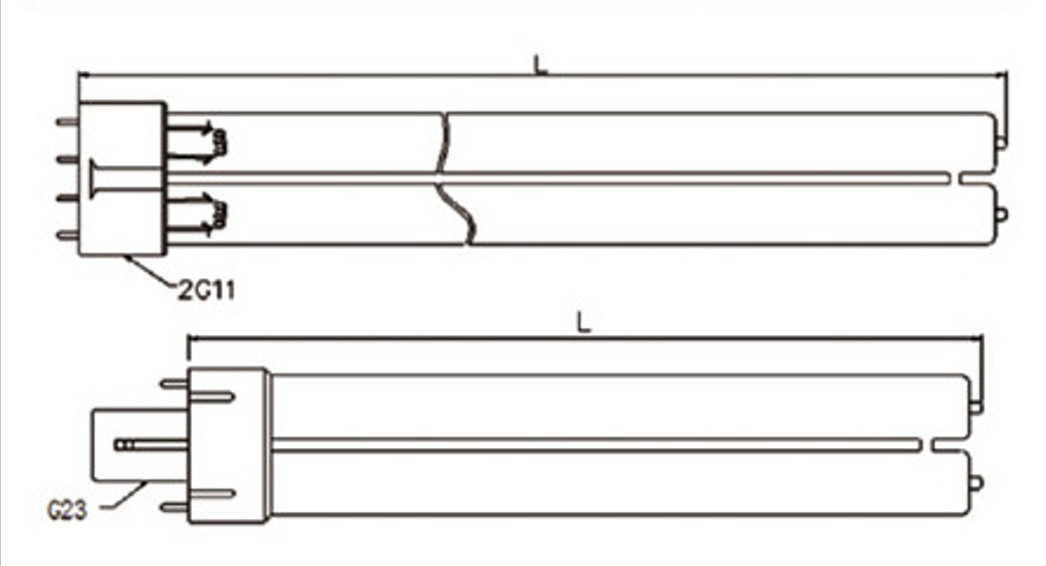
Confirm lamp voltage and igniter compatibility with your power supply, and match lamp length and arc gap to your reflector geometry. If you run the press at very low speeds, verify the minimum dose at the slowest speed. Otherwise, under-cure is just waiting to happen.